Virgin Atlantic Suspends Dubai Flights After 16-Hour 'Nowhere' Journey

Virgin Atlantic Suspends Dubai Operations After 16-Hour 'Flight to Nowhere'

Virgin Atlantic has announced the suspension of its Dubai operations following a dramatic 16-hour flight diversion, as airlines across the industry scale back Middle Eastern services amid escalating regional tensions and soaring insurance costs.

Passengers Stranded After Mid-Air Diversion

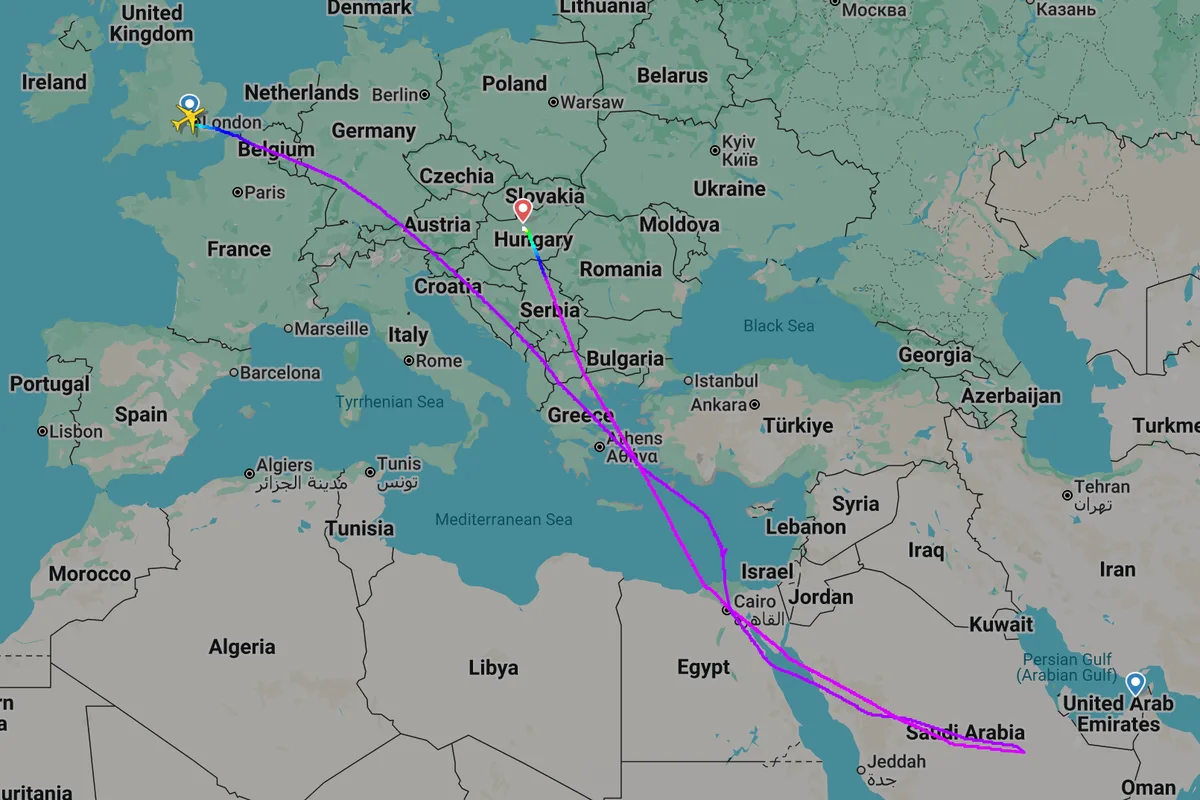
Passengers aboard Virgin Atlantic flight VS400 from London Heathrow to Dubai experienced what has been described as a "flight to nowhere" when their journey was abruptly redirected mid-air. The Airbus A350 had departed Heathrow at 10:22 PM on Friday for what should have been a seven-hour flight to Dubai.

However, after six hours in the air while flying over eastern Saudi Arabia, airspace closures forced pilots to abandon their original destination. The aircraft initially turned back toward London but ultimately landed in Budapest at 11 AM on Saturday for refueling. Following a 90-minute ground stop, the plane completed its return journey to Heathrow, landing shortly before 2 PM.

Safety Concerns Prompt Operational Suspension

A Virgin Atlantic spokesperson emphasized that "the safety and security of our customers and our people is always our top priority." The airline has implemented strict criteria for continuing flights into the region, and despite Dubai airport reopening shortly after its closure, these conditions had not been met.

The airline has now decided to cancel all flights to and from Dubai for the remainder of the winter season, with only a single round-trip scheduled for Monday and Tuesday. Additionally, Virgin Atlantic's relatively new London Heathrow to Riyadh route has been "paused" indefinitely.

Regional Turmoil Creates Aviation Chaos

The flight disruptions come amid broader regional instability, with Iranian strikes targeting Gulf states in response to joint Israel-US military actions. Thousands of passengers have been stranded at airports across the Middle East in recent days, with Dubai airport - normally the world's busiest global hub - briefly suspending operations and directing passengers into tunnels following fresh drone strikes in the United Arab Emirates.

Virgin Atlantic continues to monitor the situation with "ongoing dynamic assessments and active changes to our flight routings based on the latest information and guidance." The airline is working to repatriate customers stranded in Dubai and Riyadh while maintaining only those rotations deemed safe to operate.

Insurance Costs Soar as Airlines Reassess Operations

The aviation industry faces mounting challenges in the region, with insurers demanding significantly higher premiums as civilian airports come under attack. This insurance cost surge, combined with collapsing demand, has prompted many carriers to reduce their Middle Eastern flying programs.

British Airways, known for its risk-averse approach, has concentrated operations on flights to and from Muscat in Oman, which is regarded as a safer airport. Meanwhile, Gulf carriers Emirates, Etihad and Qatar Airways are increasing repatriation flights from the region, particularly to the UK and India, where thousands of passengers seek to return home.

Each airline conducts independent risk assessments with specific criteria for flight operations, creating a fragmented response to the regional crisis. The situation highlights how geopolitical tensions directly impact commercial aviation, forcing carriers to balance safety concerns against operational and financial pressures.