Confessed Child Killer Evades Justice for 55 Years in Unsolved Australian Case
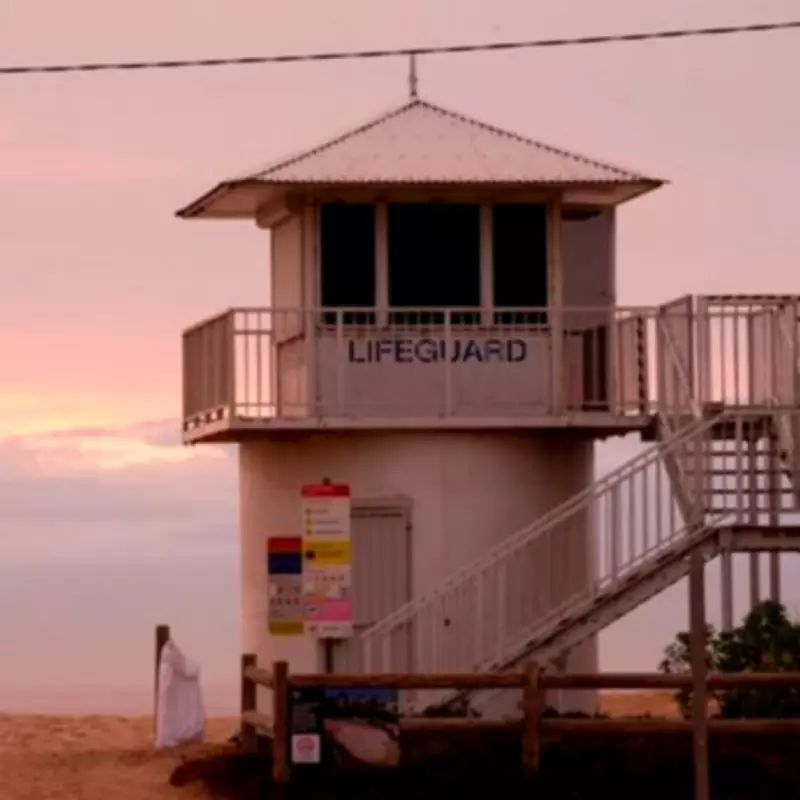
On a warm January day in 1970, Carole Grimmer took her four young children to Fairy Meadow Beach in Wollongong, New South Wales, Australia. Carole, who had emigrated from Knowle, near Bristol, two years earlier, left her seven-year-old son Ricki in charge of his siblings as the family outing concluded. Ricki took his brothers Stephen and Paul, along with their three-year-old sister Cheryl, to rinse sand off at the beach's shower block.
While Ricki, Stephen, and Paul quickly finished and returned to their mother, Cheryl mischievously refused to leave the shower block. Tragically, she was never seen again, vanishing without a trace and sparking a massive search operation.
The Bombshell Confession That Changed Everything
Fifteen months after Cheryl's disappearance, a 17-year-old suspect, referred to in court documents as "Mercury," came forward to confess to killing her. In a detailed written statement, he described grabbing Cheryl from behind the shower block, strangling her, and using a handkerchief and shoelaces to silence her. He admitted wanting to take her towel and royal blue swimming costume as trophies but burned them in an incinerator to avoid detection by his mother.

Despite this explosive confession, prosecutors initially elected not to charge "Mercury," citing his history of false confessions, drug problems, and absconding from detention centres. Cheryl's disappearance remained officially unsolved, with her body never found.
Decades of Investigation and Legal Hurdles
In 2011, an inquest was finally held, with the coroner formally ruling that Cheryl had died shortly after her disappearance. The open verdict on the manner and cause of death prompted police to reopen the investigation. Detective Sergeant Damian Loone, reviewing the case, expressed astonishment at why "Mercury" had not been charged earlier, calling the confession "explosive."
In March 2017, "Mercury," then aged 63, was arrested and extradited to New South Wales to face a murder charge. However, legal technicalities thwarted justice. Justice Robert Hulme ruled the initial confession inadmissible because, as a 17-year-old, "Mercury" should have been accompanied by a responsible adult during police questioning.
Recent Revelations and Ongoing Outrage
In October of last year, New South Wales Legislative Council member Jeremy Buckingham used parliamentary privilege to reveal the suspect's real name and details of his confession. Returning to parliament in February, Mr Buckingham disclosed the most recent alias under which "Mercury" had been living and delivered a scathing personal address, labelling him a "coward, a slug, and a murderer."
He urged the suspect to "explain that confession you made in 1971 and admit to your egregious crime," emphasising that justice had not been served. Cheryl's parents, Carole and Vince Grimmer, passed away without knowing about the confession, adding to the tragedy of this unresolved case.
The Lingering Mystery and Family's Anguish
Cheryl Grimmer, originally from Bristol, was officially declared dead in 2011, at the age she would have been 45. Her brother Ricki recounted that their mother, "old and frail" at the inquest, barely processed the confession due to its rushed presentation. The family's hope for closure has been dashed by legal barriers, leaving a dark cloud over this decades-old mystery.
With over 55 years having passed since Cheryl's disappearance, the case highlights the complexities of cold case investigations and the profound impact of unresolved crimes on families. The confession that could have solved the mystery remains legally unusable, perpetuating a legacy of injustice and unanswered questions.