DNA Evidence Sought in Black Dahlia Case for First Time in Eight Decades
In a stunning development that has reignited two of America's most notorious cold cases, investigators have actively pursued DNA evidence in the Black Dahlia murder for the very first time since the crime occurred over seventy-five years ago. This unprecedented step forms part of a broader investigation exploring the explosive theory that the same individual was responsible for both the Black Dahlia and Zodiac killings.
Exclusive Revelation at Hamptons Whodunit Event
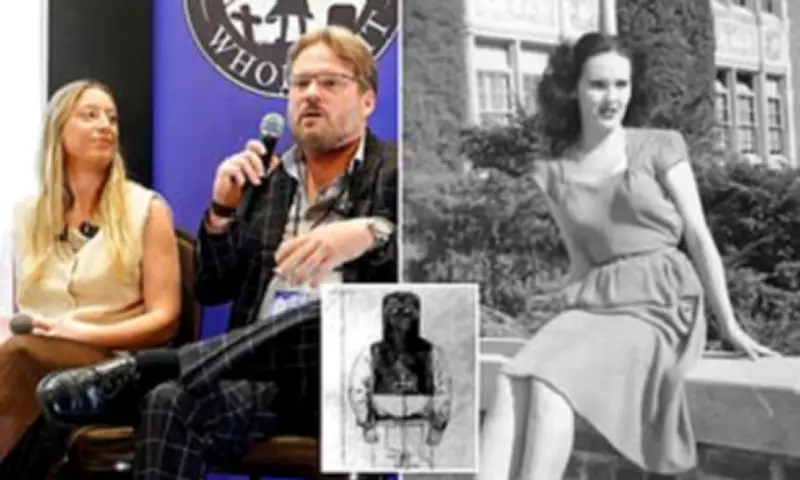
Alex Baber, director of Cold Case Consultants of America, made this groundbreaking disclosure during a headline panel at the Daily Mail-sponsored Hamptons Whodunit event in East Hampton, New York. Baber, who first revealed his theory connecting the cases to the Daily Mail in December, shared that detectives had recently sought a DNA sample related to the Black Dahlia investigation.
'I can only tell you so much... I just got off the phone with them this week,' Baber told the audience. 'Detectives sought out a DNA sample in the Black Dahlia case. That's never happened. It was rejected by the family... but we have some new things going on on the forensic side of these cases as we speak.'

Baber appeared alongside Daily Mail Senior Correspondent Kayla Brantley and The Crime Desk US Editor Rachel Sharp, the reporter who originally broke the world exclusive identifying Marvin Margolis as the suspected perpetrator.
The Marvin Margolis Connection
The investigation centers on Marvin Margolis, a deceased World War II veteran and father of four whom Baber believes committed both the Black Dahlia murder in 1947 and the Zodiac killings that terrorized Northern California between 1968 and 1969. According to Baber, the investigation has gained significant momentum through several key developments.
Firstly, Baber revealed that some members of Margolis's own family have begun cooperating with investigators, marking a critical shift that could provide new insights. Secondly, newly surfaced video footage has emerged showing Margolis alongside his close associate Bill Robinson years after Elizabeth Short's murder.
This visual evidence directly contradicts statements both men gave to investigators in 1947, when they insisted they were no longer in contact. Robinson, a former member of the Army's Signal Intelligence Service with codebreaking expertise, was part of Margolis's inner circle during the period when Baber alleges Margolis was involved with Elizabeth Short.
Codebreaking Connections and Cipher Solutions
The association with Robinson takes on additional significance when considering the Zodiac killer's modus operandi. The Zodiac famously taunted police and media with cryptic letters and complex ciphers. Baber suggests that Robinson's training in classical cryptographic techniques could have helped lay the groundwork for these cipher-based communications that defined the Zodiac's reign of terror.
Baber claims to have cracked the Zodiac's infamous Z32 cipher, uncovering a message he believes directly links the killer to the Black Dahlia murder. His solution to the Z13 cipher reportedly reveals the name Marvin Merrill, an alias used by Marvin Margolis.
Emotional Motivation and Public Response
During the panel discussion, Baber shared the personal motivation driving his investigation. Shortly before identifying Margolis as a suspect, Baber spoke with Elizabeth Short's last surviving sibling, who expressed that she had long given up hope of ever learning who killed her sister.
'This is hard for me to talk about,' Baber said, his voice cracking with emotion. 'But she told me, "We gave up hope a long time ago that they would ever identify her murderer... my four sisters have died, and my mother passed in '92, and I don't think I'll ever know."'
'Before I hung up, I said: "Let me give you my word - I'll find him for you." And she died just as I identified him officially, so I missed her by a few months. That was hard to swallow.'
The presentation of evidence against Margolis appeared to stun attendees at the East Hampton Library event. During the Q&A session, a former detective in the audience exclaimed, 'You're f**king amazing,' to Baber, reflecting the powerful impact of the revelations.

Historical Context of the Cases
Elizabeth Short, later known as the Black Dahlia, was found brutally murdered in Los Angeles in January 1947. Her body had been severed in half and grotesquely posed, creating a chilling crime scene that horrified the nation and generated sensational media coverage.
Two decades later, between 1968 and 1969, the Zodiac killer murdered at least five victims in Northern California while claiming responsibility for many more. His cryptic communications and unsolved ciphers have fascinated true crime enthusiasts and investigators for generations.
Both cases have remained among America's most infamous unsolved mysteries, generating countless theories and dead-end investigations over the decades. Baber's theory connecting them represents one of the most significant developments in either case in recent memory.
Future Developments and Investigative Promise
Baber expressed confidence that the investigation is moving toward resolution, telling the audience: 'I promise you, the wheels are turning, and we're coming close to putting an end to this mystery.'
The Hamptons Whodunit event, which featured Baber and Sharp's seminar, represents a growing public interest in cold case investigations. Carrie Doyle, CEO and co-founder of Hamptons Whodunit, emphasized the importance of bringing such stories to wider audiences through partnerships with media organizations like the Daily Mail.
As forensic techniques continue to advance and new evidence emerges, the possibility of solving these historic cases appears more tangible than ever before. The pursuit of DNA evidence in the Black Dahlia case—unprecedented in eight decades of investigation—signals a potentially transformative moment in one of America's most enduring criminal mysteries.