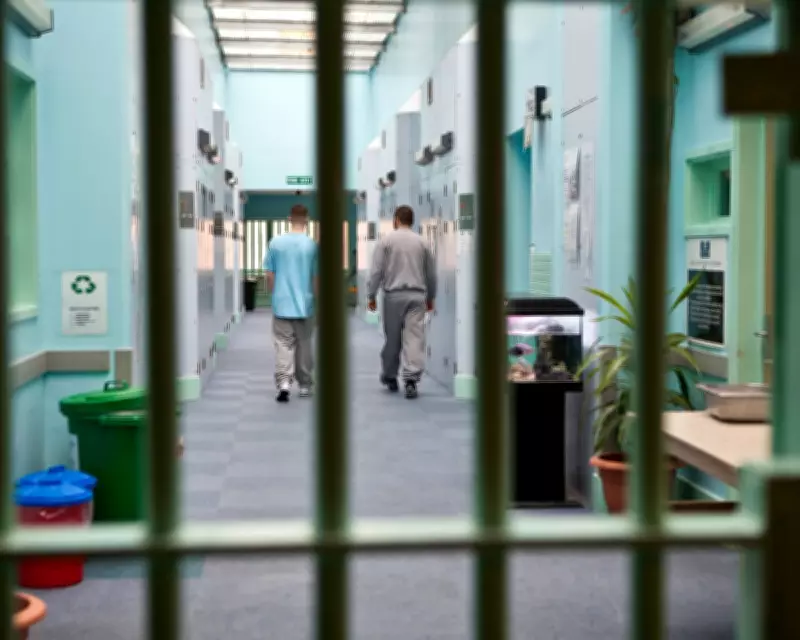
A report by HM Inspectorate of Prisons has uncovered that children are witnessing extreme violence, including stabbings, while being unnecessarily held in custody awaiting trial or sentencing. The England and Wales watchdog found that almost 100 children each year are remanded to custody only to be bailed or moved to local authority accommodation less than two weeks later, despite professional expectations they could be managed safely in the community.
Children's Experiences in Custody
One child told inspectors he had watched through his window as another child was stabbed and had "found that scary." Most of these children were in custody for the first time, and few were given clear information about why they were being held. Many expressed confusion and fear about their situation.
The Howard League for Penal Reform described the environment as "terrifying and profoundly damaging." Andrea Coomber, chief executive of the Howard League, stated: "Prison is a toxic place for children, and spending even a few days in that environment can be terrifying and profoundly damaging. Although remand should always be a last resort, too many children are being sent there by the courts and being punished for the mistakes of services who ought to be helping them."

Government Plans for Youth Justice Reform
The findings come amid government plans for an overhaul of youth justice, including a 25% cut in the use of custodial remand for children by the end of this parliament. Justice Secretary David Lammy launched a white paper last week, stating his intention to "tackle the drivers of offending so fewer young people become trapped in cycles of crime."
Inspectorate Report Details
Inspectors, led by HM Chief Inspector of Prisons Charlie Taylor, found that between 1 August 2024 and 31 July 2025, 190 children were remanded to custody before being bailed. Of these, 91 (48%) involved periods in custody of two weeks or less, and 65 (34%) were for seven days or less, leaving little or no access to education or support. More than half of those remanded for less than a week were held in young offender institutions, where levels of violence remained higher than in any adult prison.
The report highlights the cases of 25 children, all of whom were taken into custody for seven days or less. Most were in custody for the first time, and many were vulnerable with complex needs, including neurodivergent conditions, previous trauma, and experience of being in local authority care. One child sent to a young offender institution told inspectors: "I was scared, there was a lot of shouting and noise, and the next morning there were lots of people at my door, asking me questions in an intimidating way."
Legal Framework and Challenges
There is a presumption of bail as a starting point for children, with custody as a last resort, as set out in the Legal Aid, Sentencing and Punishment of Offenders Act 2012. Bail may not be granted if there are substantial grounds to believe the child would fail to surrender, commit an offence, interfere with witnesses, or obstruct justice. However, youth justice services frequently were not informed when a child had been remanded and lacked time to arrange suitable bail packages. In some areas, particularly where fewer children are remanded, youth justice services lacked the necessary skills and experience to provide credible alternatives to custody.
Charlie Taylor said: "While custodial remand is an essential part of any justice system, two out of every five children in custody are now on remand. Well over a half of these children do not go on to receive a custodial sentence. We spoke to professionals who agreed that short-term remands were often avoidable, and many had ideas about how the current system could be improved."
A government spokesperson said the Ministry of Justice intends to ensure children awaiting trial or sentencing are not held unless public protection requires it, backed by £5 million for community alternatives.