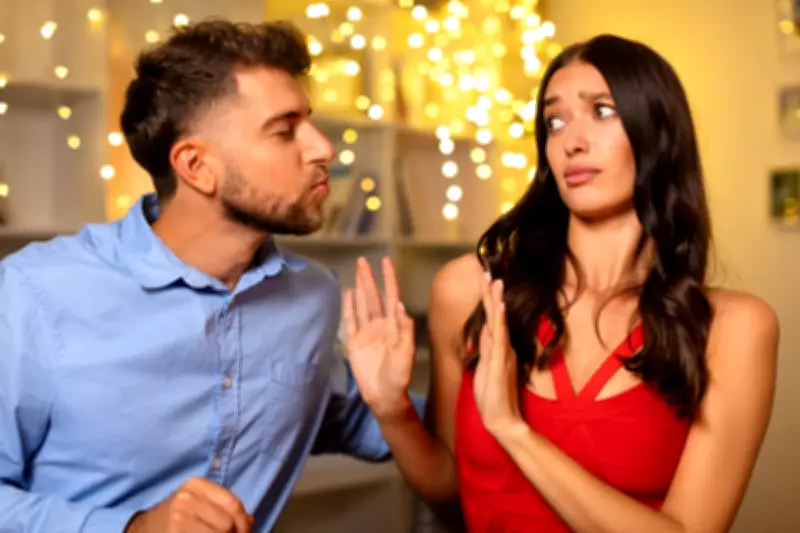
Love Bombing Warning Signs This Valentine's Day: Experts Reveal Red Flags
While grand romantic gestures are traditionally encouraged during the Valentine's season, relationship experts are warning that excessive displays of affection could actually indicate controlling behavior rather than genuine love. Divorce coach Nawal Houghton has identified February as a peak period for what she describes as "too-good-to-be-true" toxic relationships that often surface around the most romantic day of the year.
Online searches related to relationship doubts, emotional confusion, and potential break-ups surge significantly each February, with experts suggesting Valentine's Day frequently plays a pivotal role in bringing uncomfortable truths to the surface. Rather than creating relationship problems, the heightened romantic expectations of the season tend to expose existing emotional patterns and imbalances within partnerships.
What Is Narcissistic Love Bombing?
One of the most significant warning signs that emerges during this period is narcissistic love bombing, according to divorce coach and mediator Nawal Houghton, founder of Your Divorce Coach. Valentine's Day provides the perfect cover for unhealthy relationship dynamics because intense romantic displays are socially expected and normalized during this time.

"Valentine's Day amplifies what's already present in a relationship whether that's genuine love or emotional imbalance," Houghton explains. "While intensity can feel romantic initially, it isn't always emotionally safe or sustainable in the long term."
Love bombing occurs when someone overwhelms their partner with excessive attention, affection, and extravagant romantic gestures not to build authentic connection, but to fast-track emotional attachment and establish control. This behavior typically manifests as extravagant gifts, constant messaging, and premature declarations of love, all cleverly disguised as passionate romance.
"Love bombing feels intoxicating and exhilarating at first," Nawal clarifies. "However, it's fundamentally about power dynamics rather than genuine partnership. The initial intensity serves to create emotional dependency that can later be manipulated."
Why Valentine's Day Makes Love Bombing Harder to Detect
The cultural expectations surrounding Valentine's Day make love bombing behavior particularly difficult to recognize. Grand romantic gestures are actively encouraged, emotional intensity becomes normalized, and partners who question the pace or scale of affection often feel ungrateful, overly guarded, or paranoid.
Many individuals, particularly women according to Houghton's observations, silence their own discomfort because they believe they should feel fortunate to receive such attention. "In healthy relationships, affection feels reassuring rather than overwhelming," she notes. "When intensity replaces consistency, romance can start to feel destabilizing rather than grounding. Women frequently describe feeling swept up one moment, then confused or anxious the next especially when intense affection is followed by sudden distance, criticism, or emotional withdrawal."
Six Subtle Warning Signs of Love Bombing
To help individuals navigate this potentially tricky season, Houghton identifies several key indicators that may suggest love bombing rather than genuine affection:
- Premature Intensity: They discuss forever commitments before truly knowing you, creating artificial intimacy.
- Grand Gestures Over Genuine Connection: Lavish gifts and extravagant displays replace consistent emotional availability day to day.
- Pressure for Rapid Commitment: They push for exclusivity, cohabitation, or emotional dependence early in the relationship.
- Hot-and-Cold Behavioral Patterns: Overwhelming affection alternates with sudden silence, emotional withdrawal, or criticism.
- Control Disguised as Care: Jealousy, monitoring behaviors, or guilt-tripping are framed as expressions of deep love.
- Emotional Confusion: You feel constantly anxious, unsettled, or unsure of yourself rather than emotionally secure.
"If affection consistently feels overwhelming rather than reassuring, that's a significant red flag," emphasizes Nawal.

Distinguishing Love Bombing from Genuine Passion
According to Houghton, Valentine's Day can dangerously blur the distinction between love bombing and authentic passion, which explains why so many people struggle to recognize the difference.
"Real passion develops steadily and creates emotional safety," she explains. "It respects boundaries, allows personal space, and maintains consistency even as initial excitement naturally evolves. Love bombing, by contrast, thrives on urgency, emotional extremes, and confusion, leaving one partner constantly trying to maintain an unsustainable pace."
Houghton adds, "Healthy passion shouldn't leave you feeling anxious or doubting yourself. It feels calm, mutual, and emotionally grounding rather than destabilizing."
Why Warning Signs Are Often Ignored
Social media platforms significantly amplify the pressure during Valentine's season. "When timelines are saturated with images of roses, jewellery, and luxury getaways, it becomes increasingly difficult to trust your own instincts," Houghton observes. "Many women convince themselves they're being dramatic or difficult rather than listening to that quiet internal sense that something doesn't feel quite right."
She emphasizes that "discomfort is often intuition speaking, not irrational fear. This explains why February frequently becomes a relationship turning point. For many women, Valentine's Day isn't about romance at all it's about gaining clarity. It represents the moment they begin questioning whether what they're experiencing is genuine love or something that gradually makes them feel smaller, more anxious, or increasingly uncertain of themselves."
Essential Valentine's Day Relationship Reminders
Love should not be measured by intensity levels or relationship pace, but rather by consistency, emotional safety, mutual respect, and how partners feel when initial excitement naturally subsides.
Houghton concludes with crucial advice: "If Valentine's Day leaves you feeling anxious, unsettled, or emotionally confused, that's not romance it's valuable information. One of the most important things individuals can do is trust their gut instinct. That quiet internal feeling is often accurately perceiving the reality of what's actually occurring, even when everything appears perfect on the surface."
"If something feels off this Valentine's season, don't dismiss those feelings. Authentic love shouldn't make you feel diminished, anxious, or uncertain of yourself even on the most romantic day of the year."