








Entertainment

Denise Richards' Plastic Surgeon Details Her Complete Facelift Transformation
Dr. Ben Talei reveals the intricate details behind Denise Richards' complete facelift, explaining why the actress felt her face no longer matched her youthful energy.





Politics

Rio and Kate Ferdinand Flee Dubai Conflict for Portuguese Villa Refuge
Reality star Kate Ferdinand and ex-footballer Rio have reportedly evacuated from war-torn Dubai to their Algarve villa in Portugal following missile strikes from Iran, as tensions escalate in the Middle East.



Sports

Trent Alexander-Arnold's Real Madrid Struggles: Car Ban, Rule Breach and Anfield Return
Trent Alexander-Arnold's move from Liverpool to Real Madrid has been marred by injuries, disciplinary issues, a car ban, and a hostile Anfield return, raising questions about his future.



Crime

Two Teenagers Killed in Sydney Bus Crash, Community Mourns
Two teenage boys, aged 14 and 15, have died after a collision with a bus in Sydney. The local community is described as 'distraught' over the tragic incident.



Business


Health





Weather

Second Pilot Named in Fatal Air Canada Crash at LaGuardia
The second pilot killed when an Air Canada plane struck a firetruck at New York's LaGuardia Airport has been identified as MacKenzie Gunther. The crash occurred during heavy rainfall, with 76 people on board.
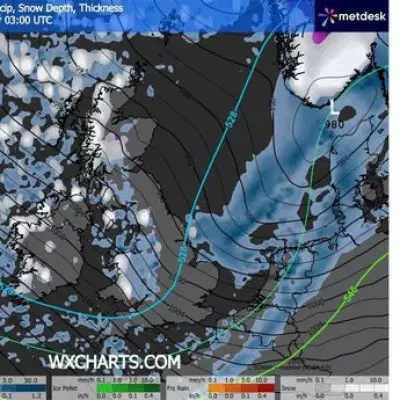
UK Snow Alert: 18 Regions Face Blizzards in -4C Freeze
Weather maps reveal a dramatic Arctic freeze hitting the UK, with snow expected across 18 regions from Scotland to eastern England, bringing temperatures as low as -4C and potential travel disruption.
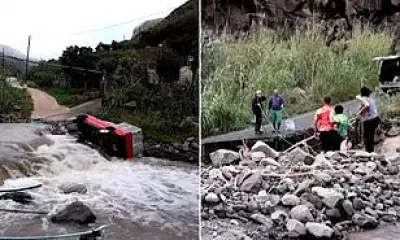
Canary Islands Storm Evacuates Thousands, Strands British Tourists
Ferocious Storm Theresa has forced over 3,000 evacuations on Gran Canaria, with floods, landslides, and power cuts disrupting travel and stranding British holidaymakers ahead of Easter.

Hawaii Floods: $1B Damage, 230 Rescued, Mud Cleanup Underway
Hawaii's most severe flooding in two decades has swept homes away, damaged hundreds of properties, and left thick volcanic mud, with over 230 rescues and no fatalities reported.
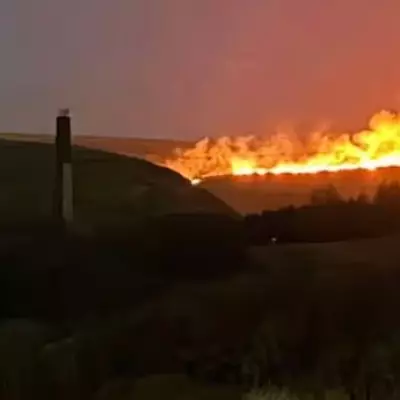
Scout Moor Fire Visible Across Greater Manchester and Lancashire
A significant fire erupted at Scout Moor near Rochdale, with thick smoke visible for miles across Greater Manchester and Lancashire. Fire crews from both counties are responding to the incident.
Monday Sports Challenge: Football, Cricket & Rugby Questions
Start your week with our Monday sports quiz featuring 100 questions about British football, cricket, and rugby. How well do you know these popular UK sports?
