N-word Shouted at Baftas Ceremony Sparks Broader Debate on Racism
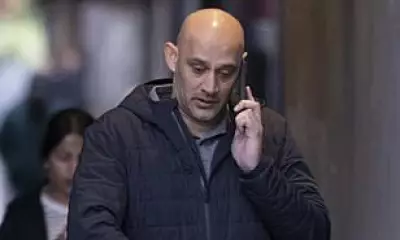
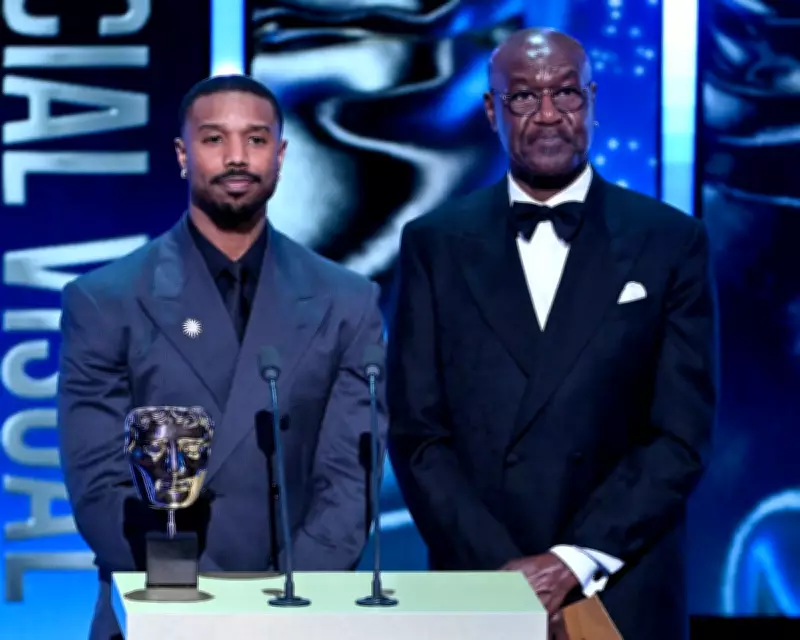
During the Bafta awards in London on 22 February 2026, a disturbing incident unfolded as actors Michael B Jordan and Delroy Lindo took the stage. John Davidson, a Tourette syndrome campaigner, involuntarily shouted the N-word from the audience, casting a shadow over the glitzy event. The BBC later apologised, attributing the outburst to verbal tics associated with TS and emphasising it was not intentional, but questions linger about broadcast judgment and the broader cultural implications.
Medical Context and Immediate Fallout
Coprolalia, a symptom affecting some individuals with Tourette syndrome, involves involuntary utterances of taboo language. Neurologists confirm these tics lack intent or belief, and disability advocates warn against stigmatisation. However, the harm caused by such a racial epithet, especially in today's climate, remains palpable. The BBC's handling of the pre-recorded broadcast, where the slur remained audible, has sparked criticism, with calls for apologies to Jordan and Lindo.
A Growing Sense of Desensitisation
What unsettled many was not just the word itself but the realisation that hearing it in mainstream settings no longer feels extraordinary. As reported by Nadine White, a journalist with 14 years of experience covering race, the shock has dulled, reflecting a toxic era where racist language proliferates. Online platforms like X have seen an exodus of Black users due to tolerance of abuse, and incidents like a racist poster in Scotland or divisive rhetoric from public figures underscore this normalisation.

Broader Implications for Society
This incident should not devolve into a binary debate about disability versus racism. Instead, it prompts a necessary discussion on the language we use and the cultural environment beyond the Baftas. Desensitisation is dangerous, as it normalises proximity to offensive content, blurring lines between outrage and resignation. The epithet remains violent; what shifts is our threshold for reaction, highlighting a need for greater awareness and action against racial slurs in public and digital spaces.