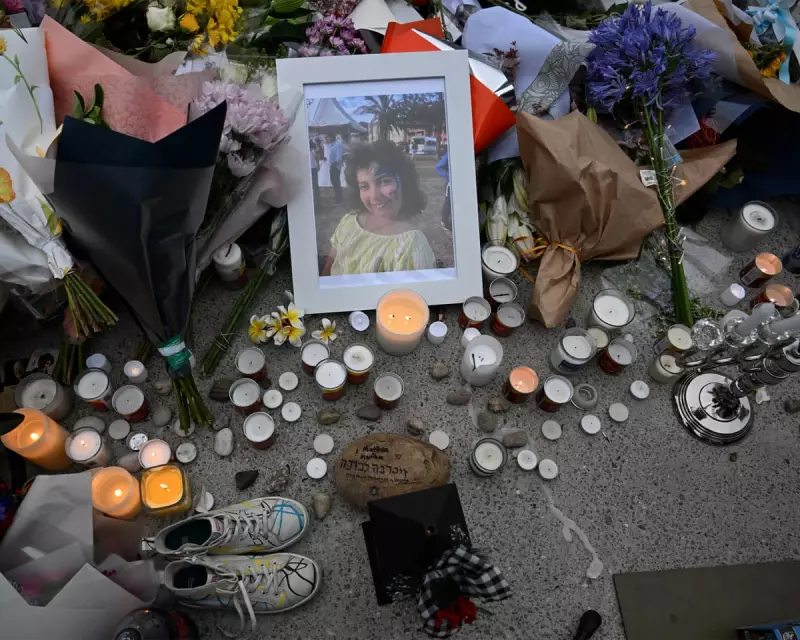
The horrific attack at Bondi Junction in Sydney stands as a grim testament to the lethal consequences of failing to adequately confront and combat antisemitism. This violent incident, which shocked Australia and the world, has ignited a fierce debate about societal tolerance, security failures, and the poisonous ideology that fuelled the assailant's actions.
The Attack: A Timeline of Terror
On a busy afternoon, the Westfield shopping centre at Bondi Junction was transformed from a hub of commerce into a scene of terror. A lone attacker, armed with a knife, launched a violent assault on unsuspecting shoppers. The attack resulted in multiple casualties, sending shockwaves through the local community and triggering a massive emergency response.
Eyewitness accounts described scenes of panic and chaos as people fled for safety. Police and paramedics rushed to the scene, where they confronted the attacker and provided urgent aid to the wounded. The swift response by authorities undoubtedly prevented further loss of life, but the trauma inflicted was profound and lasting.

Ideological Roots and Warning Signs
Investigations into the attacker's background revealed a deeply troubling pattern of antisemitic beliefs. Prior to the attack, the individual had reportedly been consuming and espousing hateful content online, part of a broader and increasingly visible undercurrent of antisemitism. Experts argue that this was not an isolated radicalisation but a symptom of a wider societal sickness that has been allowed to fester.
Security analysts and community leaders have pointed to a consistent failure by institutions to take online hate speech and radicalisation seriously enough. The digital ecosystem, where extremist ideologies can spread unchecked, served as a breeding ground for the hatred that ultimately manifested in physical violence. This gap between online rhetoric and offline threat assessment is now under intense scrutiny.
Broader Implications and the Call for Action
The Bondi attack has forced a painful national reckoning. It has exposed critical vulnerabilities in how societies monitor and counter hate-driven extremism. The incident is seen not just as a security failure, but as a profound moral and political failure to protect communities from a well-documented and growing threat.
In the aftermath, there are urgent calls for a multi-faceted response. This includes:
- Stronger legislation to tackle online hate speech and radicalisation.
- Improved coordination between intelligence agencies and local law enforcement.
- Greater investment in community programmes designed to counter extremist narratives and promote social cohesion.
The tragedy at Bondi Junction serves as a devastatingly clear warning. Ignoring or downplaying antisemitism does not make it disappear; it allows it to grow in the shadows until it erupts into violence. The cost of this failure is measured in lives lost, families shattered, and a community's sense of security destroyed. Moving forward, a committed and unwavering stance against all forms of hate is not merely a policy option—it is an absolute necessity for public safety and social harmony.