The Diary of Hate: A Neo-Nazi's Path to Murder
In a chilling digital journal dubbed his 'Diary of Hate,' Sam Woodward unleashed a torrent of vitriol against minorities, sparing no group from his venomous slurs. Black people, Latinos, biracial couples, and others were all targets, but Woodward reserved a special disgust for Jews and gay individuals. This 20-year-old from a privileged Newport Beach background documented his hatred in explicit detail, foreshadowing a deadly outcome.
A Deadly Encounter in Orange County
On a warm January night in 2018, Woodward lured his former high school classmate, Blaze Bernstein, to a meetup. Donning a skull mask as a tribute to the neo-Nazi group he had joined, Woodward stabbed the 19-year-old gay, Jewish Ivy League student 28 times and buried his body in a shallow grave. The murder not only highlighted radicalization among the affluent but also exposed deep-seated white supremacy in Orange County's wealthy suburbs.
Exploring the Broader Uprising in Neo-Nazism
This dichotomy is examined in the new book, American Reich: A Murder in Orange County, Neo-Nazis, and a New Age of Hate, by journalist Eric Lichtblau. He reveals that Orange County, often seen as a picturesque coastal haven, has become an epicenter for white supremacy. "It's a microcosm, a petri dish of neo-Nazism," Lichtblau explains, noting the area's history as a right-wing oasis amidst California's liberalism.

The Foster of Hatred in a Changing Community
As Orange County diversified with a growing minority population and Democratic shifts, white supremacists intensified their resistance. Hate crimes soared, and groups like the KKK rallied publicly. Woodward's hatred was nurtured in this environment. While Bernstein excelled academically, Woodward was known for racial slurs and Nazi admiration in school. After dropping out of college, Woodward turned to social media, posting threats like, "If you're a race mixer comment your address so I can kill you."
Radicalization Through Neo-Nazi Networks
Woodward found his niche in the Atomwaffen Division, a neo-Nazi group that idolized figures like Charles Manson. He attended a 'hate camp' in Texas, where members practiced combat and made Heil Hitler salutes. Later, he met infamous neo-Nazi James Mason in Denver, solidifying his extremist views. It was during this period that Woodward reconnected with Bernstein on Tinder, setting the stage for the murder.
The Trial and Damning Evidence
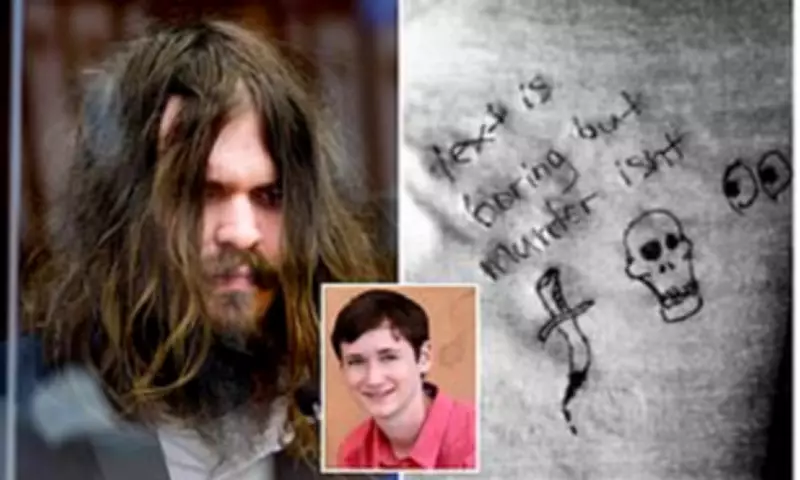
After Bernstein's body was discovered following a six-day search, investigators found Woodward's skull mask and a bloody knife. His phone contained the Diary of Hate, neo-Nazi imagery, and a napkin scribbled with, "Text is boring, but murder isn't." At his 2024 trial, the diary served as "the most damning evidence," according to Lichtblau, showing Woodward's intent. Convicted of first-degree murder with a hate crime enhancement, Woodward was sentenced to life without parole.
A Warning on Rising Extremism
Lichtblau emphasizes that Woodward's case is not an anomaly. Places undergoing political and demographic changes often become hotbeds for far-right extremism. "It's not so much white strongholds like the Deep South. It's places that are changing, so people feel threatened and see it as a battle for identity," he notes. Woodward's desire for belonging led him to embrace a perverse cause, highlighting how neo-Nazi groups recruit alienated youth.
Blaze Bernstein's murder serves as a stark warning about the prevalence of extremism in modern society. As Lichtblau concludes, this tragedy underscores the urgent need to address radicalization that occurs "right under everyone's noses."