Small Acts of Hindu-Muslim Solidarity Spark Hope in Polarized India
In a nation grappling with deepening religious divisions, a series of grassroots acts of Hindu-Muslim solidarity are capturing public imagination and inspiring others to take a stand. From university campuses to remote villages, ordinary citizens are defying sectarian pressures in small but significant rebellions against polarization.
The 'Mohammad Deepak' Phenomenon
It began in the Himalayan town of Kotdwar, Uttarakhand, where gym owner Deepak Kumar transformed into an unlikely national figure earlier this year. On January 26, Kumar intervened when members of the Hindu nationalist Bajrang Dal group confronted elderly Muslim shopkeeper Vakeel Ahmed, demanding he remove "Baba" from his store name because it referenced a local Hindu temple.
"I did not like these young men talking so rudely with an elderly man," Kumar later explained. "They were targeting him because of his religion. They were targeting Muslims." When asked his name during the confrontation, Kumar delivered what would become an internet sensation: "Mohammad Deepak" - blending a typically Muslim first name with his Hindu surname to declare, "I wanted to tell them that I'm an Indian. That this is India and everyone has the right to stay here, regardless of their religion."

Campus Solidarity in Lucknow
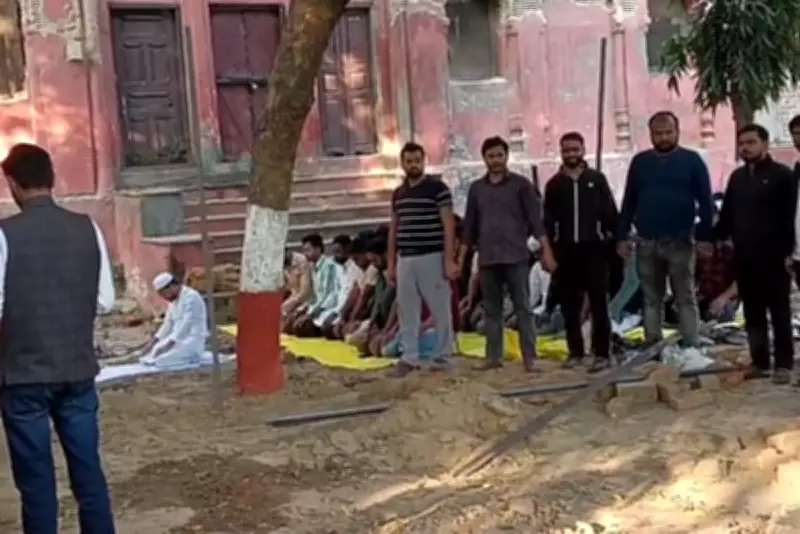
Almost a month later, similar solidarity emerged at Lucknow University during Ramadan. Muslim students arrived to pray at the campus mosque only to find it locked with police stationed nearby, reportedly without explanation. On February 22, they began an unusual protest: Muslim students stood in prayer while their non-Muslim classmates formed a protective human chain around them.
"We were concerned that if our brothers read namaz outside the mosque, then police might charge them with batons and the right-wing groups might also assault them," explained former student Shubham Kumar. "So we thought that if there was an attack, then at least it would be first on us - those forming the human chain."
University officials claimed the medieval Lal Baradari mosque was fenced for safety reasons, but students noted the closure followed visits by RSS leader Mohan Bhagwat and BJP state president Pankaj Chaudhary. "This is totally ideological and RSS is targeting Muslims," claimed master's student Shantam Nidhi. "The entire politics of RSS and BJP is hate politics."
Village Resistance in Rajasthan
Another notable incident occurred in Rajasthan's Kareda Buzurg village when former BJP parliamentarian Sukhbir Singh Jaunapuria arrived to distribute blankets in February. According to reports, Muslim women were asked their names and denied blankets if identified as Muslim. Shakuran Bano, in her 60s, described feeling humiliated: "He simply said he will not give blankets to Muslims."
What made this episode remarkable was the Hindu villagers' response. Many confronted the former lawmaker, questioning why Muslim women were singled out. "More than Muslims, it is Hindus who are angry," said Hanuman Chaudhary, whose wife is the elected village head. Villagers later burned Jaunapuria's effigy in protest, with elder Badrilal Jaat emphasizing, "There is no discord between Hindus and Muslims in our village, never happened in generations. We celebrate Diwali, Holi and Eid together."
Experts Question Whether This Signals Real Change
While these scattered acts of solidarity hearten many in a country struggling with religious disharmony and occasional violence, scholars urge caution. "I would still treat them as exceptions," says Delhi University professor Apoorvanand. "It requires extraordinary courage to stand before a group of goons."
He notes fear of violence or retaliation often deters intervention, especially when people believe police might side with those discriminating. "If people think that police is with them, then it becomes very difficult to take a stand because they will have to pay a very heavy price."

The professor suggests the apparent rise in solidarity incidents may partly reflect social media visibility rather than deeper societal shift. "I think that's a social media virality factor. I still don't think that we can describe it as early signs of a turning tide." What would make a real difference, he argues, is common people feeling confident that authorities will support them in such instances.
Immediate Consequences and Changing Campus Atmosphere
For the Lucknow University students, consequences feel immediate. Shubham Kumar observes the campus atmosphere has already altered dramatically. "From a place where one goes to study," he says, "the campus has become a religious battleground."
Despite notices summoning protest participants before a magistrate and the mosque remaining shut, the Lucknow protest joins Deepak Kumar's intervention and the Rajasthan villagers' resistance as examples where ordinary citizens stand up for community members across religious lines. Whether these represent isolated exceptions or the beginning of a broader movement remains uncertain, but they have undoubtedly captured national attention and sparked important conversations about religious coexistence in contemporary India.