Teen Catapult Trend Kills Ducks, Spurs National Wildlife Crime Alert
A disturbing social media trend on TikTok has been linked to a series of brutal wildlife attacks across the United Kingdom, culminating in the killing of four pet ducks in Dorset. Police are now actively searching for two teenagers believed to be responsible for the February incident in Dorchester, where the use of catapults has become a tool for animal cruelty among youths.
The Dorchester Duck Attack
Residents of a house in Dorchester, Dorset, were alarmed by a commotion from their back garden in February. Upon investigation, they discovered a horrific scene: three of their pet ducks had been killed by projectiles, with a fourth so severely injured it later died. Dorset Police have confirmed that catapults were likely used in the attack, and they are seeking two teenagers seen fleeing the property.
A National Viral Menace
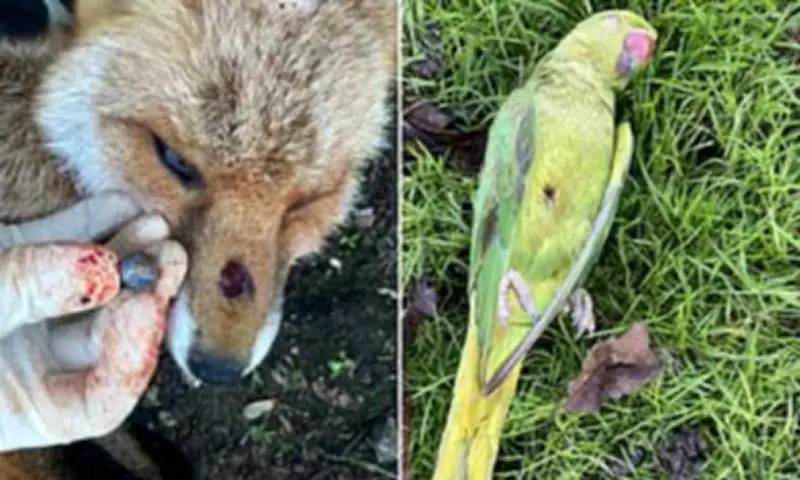
This incident is not isolated. An alarming viral trend on TikTok has seen teenagers across the UK boasting about using catapults to target animals. Gangs of youths have been reported shooting at various wildlife, including foxes, starlings, swans, parakeets, and wood pigeons, often resulting in death, blindness, or shattered bones.

In a particularly gruesome case in South East London in January, a goose died from head injuries after being shot. Another fox in London was found with a hole in its nose from a catapult-fired object. In Bromley, London, youths have reportedly used ice cubes as ammunition, a tactic believed to allow evidence to melt away, making tracing difficult.
Charity Pleas and Legal Loopholes
The Greenwich Wildlife Network issued a desperate plea to the government and police in January, calling for action against these assaults. They created a petition demanding the regulation of catapults, which has garnered over 36,000 signatures. Rae Gellel, Director and Founder of the charity, highlighted the severity of injuries, noting that projectiles like nuts, bolts, or batteries fired at high velocity cause catastrophic damage to animals with hollow bones, leading to broken bones, missing eyes, and gaping wounds.
In Orpington, London, nearly a dozen wild animals were found tortured and killed, with evidence suggesting they had been "finished off" after being initially stunned. Chris Smith, a volunteer at Greenwich Wildlife Network, described feeling "physically sick" after assessing images of 11 animals shot dead in a single Bromley incident.
Despite laws under the Wildlife and Countryside Act making it illegal to injure or kill wild birds, with penalties of up to six months’ imprisonment or an unlimited fine, convictions remain rare. Smith noted that in 2024, 101 catapulting attacks were recorded across Bromley, Bexley, and Greenwich, yet only 13 convictions were secured across the entire UK.
Call for Legal Reclassification
Chris Smith also criticised the legal classification of catapults, which are currently considered toys. He argued that devices capable of firing projectiles at speeds up to 136 miles per hour, causing fatal injuries and bone shattering, should not be categorised as such. "If something can kill an animal outright, shatter bones and destroy eye sockets, how is that a toy?" he questioned.
Police Response and Broader Concerns
A Metropolitan Police spokesperson assured the public that incidents like these are taken seriously, with investigations underway to take action against offenders. Detective Inspector Mark Harrison of the National Wildlife Crime Unit emphasised the broader risks, stating, "These crimes are not just causing deaths and horrific injuries to wildlife. There is also a significant risk to people and property in the areas where these crimes are being committed and this normalisation of violence has further consequences as a gateway to other crimes." He added that the unit would pursue those sharing footage of the crimes online.
As this trend continues to spread, authorities and charities are urging for stricter regulations and increased public awareness to combat the rising tide of wildlife cruelty linked to social media influences.