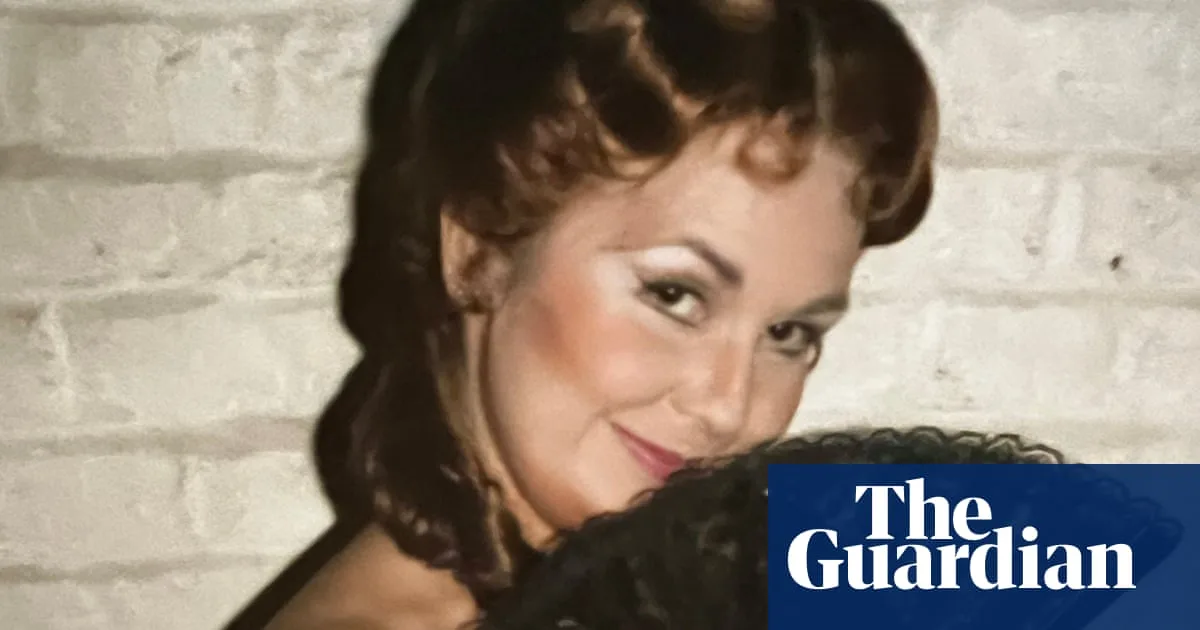
An opera singer who concealed her deafness for more than three decades has described the transformative impact of double cochlear implants, a procedure now being trialled across the NHS. Janine Roebuck, 72, from London, underwent surgery to receive implants in both ears, a method currently under investigation to determine if it could benefit thousands more patients.
Under existing guidelines from the National Institute for Health and Care Excellence (Nice), most deaf adults are eligible for only one cochlear implant, based on cost-effectiveness analysis. However, a new study funded by the National Institute for Health and Care Research (NIHR) is exploring the benefits of bilateral implants for adults. Led by Addenbrooke's Hospital and the University of Cambridge, the trial involves over 250 participants across 14 hospitals.
Roebuck, a mezzo-soprano who performed at venues including the Royal Opera House, has sensorineural hearing loss, an inherited condition affecting about 70% of genetic hearing loss cases. In 2019, she received one implant on the NHS but opted to pay for the second simultaneously. She described the outcome as 'the best thing I’ve ever done in my life', noting that two implants provide far superior sound quality and spatial awareness compared to one.

'Having two implants is light years away from just one,' she said. 'Sound quality is so much better, sounds are fuller, clearer, louder and more natural. It’s much easier to tell where sounds are coming from, especially in busy spaces.' She added that the surgery has alleviated the isolation and fatigue she previously experienced, stating, 'With bilateral implants, I no longer consider myself to be deaf. They have been utterly life-changing.'
The trial aims to compare outcomes for adults receiving one versus two implants, focusing on quality of life and hearing improvements. Matthew Smith, an ear, nose and throat surgeon at Addenbrooke's, said: 'We know from giving bilateral implants to children that it can have a transformative effect. Through this study, we can offer the same opportunity to adults.' Professor Debi Vickers from the University of Cambridge added: 'Adults tell us they should be given the same hearing opportunities as children, resulting in reduced social isolation and improved mental health.'