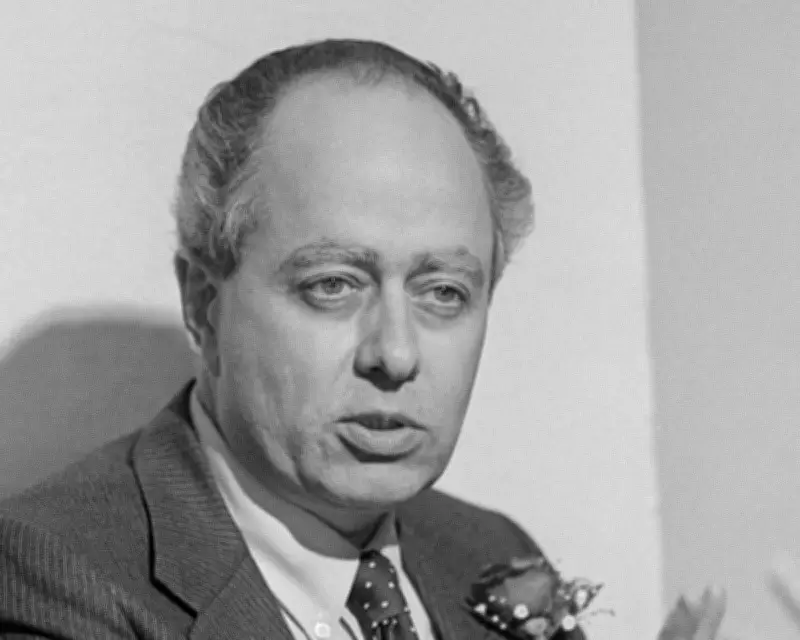
G. Robert Blakey, the legal scholar who drafted the Racketeer Influenced and Corrupt Organizations Act, better known as RICO, has died at the age of 90. His death was confirmed by his family on Tuesday.
A Life Dedicated to Law and Justice
Blakey, a professor at Notre Dame Law School, conceived RICO in the early 1970s as a tool to dismantle organized crime by targeting not just individuals but entire criminal enterprises. The law, passed in 1970, allowed prosecutors to charge leaders of criminal organizations for acts they ordered but did not personally commit.
RICO became a cornerstone of federal prosecutions, famously used against mafia bosses, but also in cases involving corporate fraud, political corruption, and even anti-abortion activists. Its civil provisions enabled victims to sue for triple damages, making it a powerful weapon in private litigation.

Early Career and Influences
Born in 1935 in New York City, Blakey earned his law degree from Cornell University. He served as a lawyer for the U.S. Department of Justice and later as a chief counsel to the Senate Subcommittee on Criminal Laws and Procedures. His work on RICO was influenced by his experience investigating organized crime and his belief that existing laws were insufficient to combat sophisticated criminal networks.
Blakey also contributed to the creation of the Witness Protection Program and the use of electronic surveillance in crime fighting. He remained a vocal advocate for strong anti-crime measures throughout his career.
Legacy and Controversy
While RICO has been hailed as a landmark achievement, it also drew criticism for its broad application. Some legal experts argued it gave prosecutors too much power and could be used against legitimate businesses or political groups. Blakey defended the law, insisting it was carefully crafted to target only criminal enterprises.
Blakey retired from teaching in 2005 but continued to consult on legal cases. His contributions to American jurisprudence are widely recognized, and his name will forever be linked to one of the most potent legal tools in the fight against organized crime.