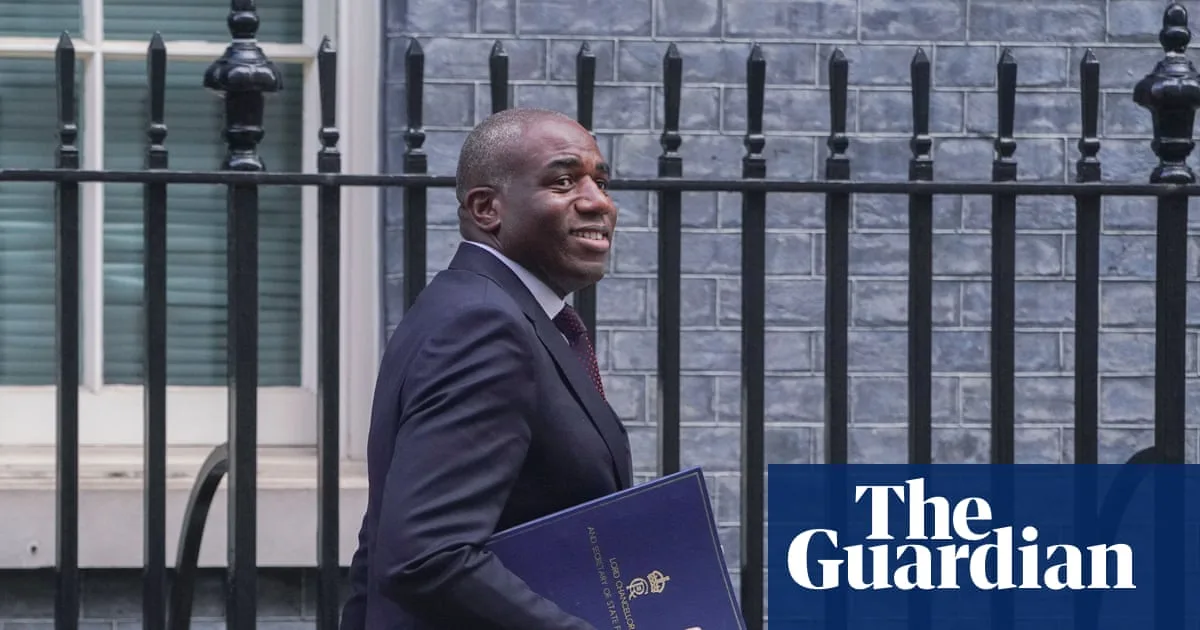
The Ministry of Justice (MoJ) has revealed that the criminal court backlog in England and Wales will take a decade to return to pre-Covid levels, even with radical reforms including curbing jury trials. Justice Secretary David Lammy defended the changes, which he said were necessary to prevent the backlog from rising exponentially.
Currently, over 80,000 cases are pending in the crown court, a figure projected to reach 100,000 by 2028. Under the proposed reforms, which require parliamentary approval, more cases would be heard in magistrates' courts or by a new 'swift' bench division for cases with sentences up to three years, where judges would sit alone. The MoJ estimates these measures would reduce demand on crown court time by nearly 20%.
Lammy acknowledged criticism from Labour MPs and the legal profession, particularly over reducing jury trials. He argued that such debates often overlook victims, especially women and vulnerable groups. 'I have observed that sometimes the debates have sounded quite patrician, quite old-fashioned, quite male,' he said.

The government has also increased court funding to £2.8 billion next year, including £287 million for repairs, and lifted the cap on sitting days. However, Lammy warned that without action, the backlog could reach 200,000 cases by 2035. He highlighted that the average victim waits over 250 days for justice, and 423 days for rape cases.
The reforms are expected to apply retrospectively from 2028, meaning defendants who opted for a jury trial could face judge-only trials. Courts Minister Sarah Sackman stressed the need for uniform rules to avoid a 'two-tier system'. New measures also include a digital national listing model and AI tools to predict trial lengths and allocate courtrooms.