Critical prison security equipment including X-ray scanners and window grilles is being left broken for months or even years, creating a major vulnerability that allows illicit drugs to flood into UK jails, according to a damning report from the National Audit Office (NAO). The public spending watchdog has revealed that HM Prison and Probation Service (HMPPS) has significantly underspent on essential security measures while the maintenance backlog across the prison estate has doubled to £1.8 billion.
Security Systems Left Unrepaired Amid Funding Shortfalls
The NAO report details how prison governors have reported insufficient funding to repair broken security equipment, with X-ray scanners remaining non-functional for many months and window security improvements taking several years to complete. The watchdog found that HMPPS spent only 75% of its £100 million security investment programme budget between 2019-20 and 2021-22, with the largest underspend occurring in gate security measures.
Tom Wheatley, president of the Prison Governors Association, provided stark examples of the security failures, explaining that inmates will "bend, break and burn" window grilles to allow drugs and other contraband to be delivered. "The grilles are not being immediately replaced, and those cells are not being taken out of action because we can't afford to do that and because prisons are full," he told the Press Association.

Drug Epidemic Undermining Prison Control and Rehabilitation
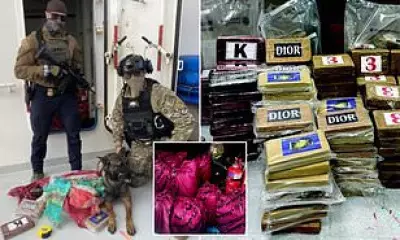
The security failures come against a backdrop of a severe drug crisis within the prison system. Around half of all prisoners had a drug problem as of April 2025, with easy access to substances crippling HMPPS's ability to maintain control and effectively rehabilitate offenders. The NAO warned that the proliferation of illicit drugs in prisons undermines rehabilitation efforts, damages inmate health, and destabilises prison environments.
Gareth Davies, head of the NAO, emphasised the seriousness of the situation: "Too many of the basic controls and interventions are not being done well enough – from repairing critical security equipment to aligning health and operational priorities. Our recommendations are designed to help the prison and health services direct resources to where they can have the greatest impact on this serious problem."
Ageing Prison Infrastructure Increasing Vulnerability
The report highlights how the age and poor condition of some prisons makes them especially vulnerable to modern smuggling methods, particularly drone deliveries. The chief inspector of prisons has previously described this vulnerability as a threat to national security. Wheatley explained the funding dilemma facing prison authorities: "There simply is not enough public money to deal with what is a significant and long-standing failure to effectively maintain prisons. What money that there is might be spent on replacing a central heating boiler rather than on the security systems that make it safe and secure."
Government Response and Probation Service Crisis
Prisons minister Lord Timpson acknowledged the failings exposed by the report, stating: "This report exposes yet further failings in the prison system we inherited, with underinvestment in security contributing to the unacceptable levels of drugs behind bars." He outlined government measures including a £40 million investment to bolster security with anti-drone measures like reinforced windows and specialist netting.
The prison security crisis coincides with severe problems in the probation service, which a separate report from the Public Accounts Committee (PAC) says is being pushed to the brink of collapse. The number of prisoners recalled is at an all-time high, while probation staff have been working at an estimated 118% capacity for several years, leaving them feeling "alienated" under immense pressure.
Sir Geoffrey Clifton-Brown, chairman of the PAC, warned: "The probation service in England and Wales is failing. It was deeply alarming to hear of probation staff working under immense pressure in a seemingly toxic environment, in a culture built on emotional strain and trauma." He noted that government plans to free up capacity through early release schemes are likely to increase demand on an already struggling service.

The government launched an emergency early release scheme on September 10 2024, days after the prison population reached a record high of 88,521. This measure, while addressing overcrowding, adds further strain to a probation service described as slipping into decline in recent years.