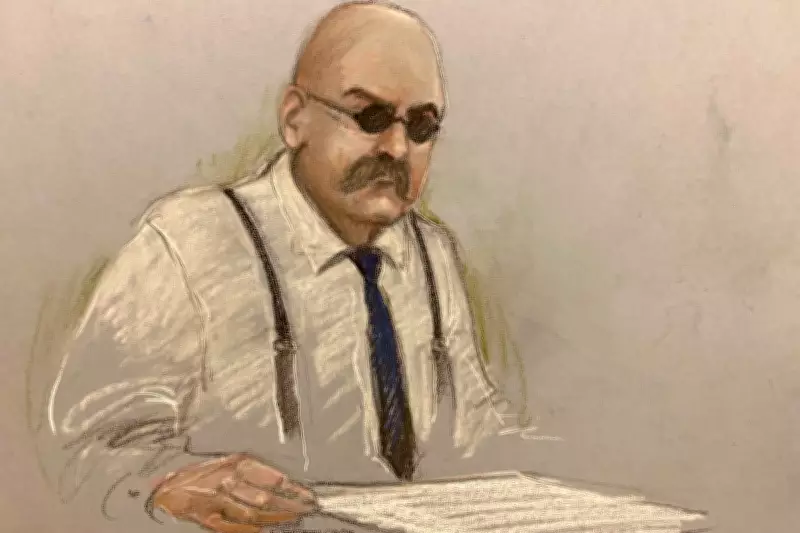
Charles Bronson, one of Britain's most notorious prisoners, has vowed to expose what he describes as "unlawful sentence and treatment" at an upcoming parole hearing. This marks his ninth attempt for release, with the 73-year-old having spent the majority of the last five decades behind bars for a series of violent offences.
Details of Bronson's Claims and Legal Battle
In an open letter addressed to Sky News, Bronson made several startling allegations regarding his incarceration. He asserted that he is 23 years over his original tariff, a claim that underscores his prolonged detention. Additionally, Bronson highlighted that he has been consistently denied opportunities for progress within the prison system, which he argues has hindered his rehabilitation efforts.
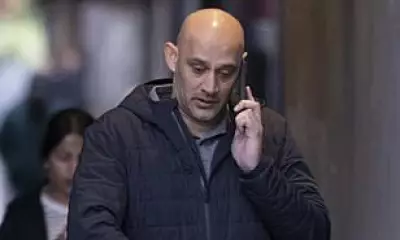
Bronson also detailed his experience of being perpetually kept in solitary confinement, a condition he describes as harsh and unjust. His legal representative, Gurdeep Singh, has publicly supported these claims, arguing that with appropriate support, Bronson should be released to continue his charity work. Singh emphasised that Bronson has demonstrated significant personal transformation during his time in prison.

Bronson's Personal Transformation and Future Prospects
Charles Bronson, who received a discretionary life sentence in the year 2000, insists that he has undergone a profound change. He now finds solace in artistic pursuits, having developed a passion for painting and drawing while incarcerated. Bronson professes to be "anti-crime" and non-violent, a stark contrast to his earlier reputation for aggression.
This parole hearing, scheduled as an oral proceeding in the coming months, represents a critical juncture in Bronson's long-standing legal battle. Supporters point to his charity involvement and artistic achievements as evidence of his rehabilitation, while critics remain wary given his extensive criminal history. The outcome could set a precedent for how the justice system handles cases of long-term prisoners seeking redemption.