Hatton Garden Raider Freed in Prison Service Blunder
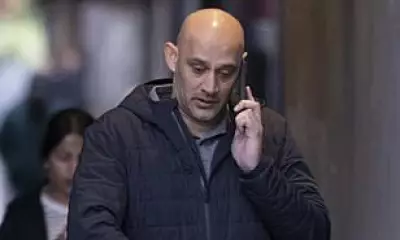
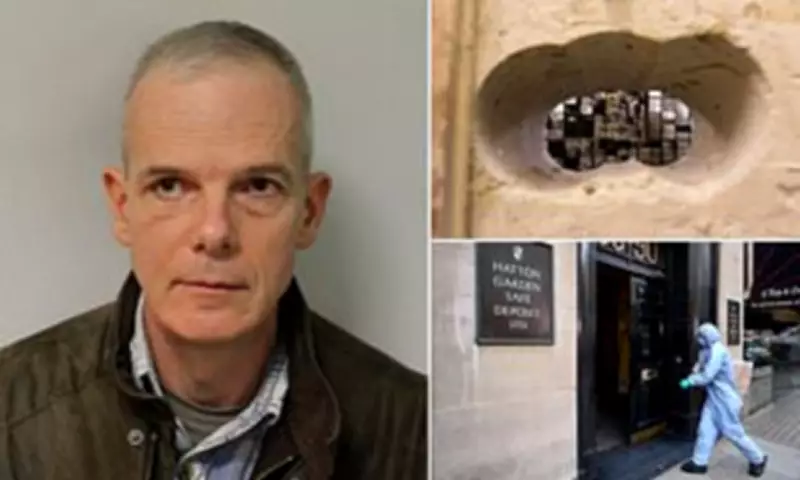
Michael Seed, a notorious Hatton Garden raider, was accidentally released from jail, spending six months at large before the error was discovered. The 66-year-old electronics expert, nicknamed ‘Basil’, was only recalled to prison earlier this month, highlighting significant failures in the justice system.
Miscalculation Leads to Mistaken Release
Seed, who was originally jailed for 10 years in March 2019 for his role in the infamous 2015 heist, was freed in August last year due to a miscalculation by prison officials. They incorrectly calculated the additional time he needed to serve from a further six-and-a-half-year sentence imposed in 2022 for failing to repay £600,000 in ill-gotten gains. He had only repaid £50,000, leading to the extra term.
Seed should not have been eligible for release until June 2027, after serving half of the additional sentence. However, he was released from HMP High Down in Sutton, Surrey, on August 12, 2025, and remained at large until February 5, when he was finally returned to custody.

Political Outcry and Systemic Issues
Former Tory leader Sir Iain Duncan Smith condemned the Prison Service and justice officials as ‘utterly incompetent’ for the mistaken release and the prolonged failure to recapture Seed. He stated, ‘There is an endemic problem with the prison service. Basic mistakes are enshrined in the system. Perhaps the worst failing is that no one double checks on the existing requirements for prisoners.’
This blunder is part of a broader trend, with over 100 prisoners accidentally released between April and December last year under successive Justice Secretaries Shabana Mahmood and David Lammy. Mr Lammy has claimed to be addressing the issue by introducing ‘tighter checks’ for prisoner releases.
Seed's Criminal Background and the Heist
Seed, the son of a renowned Cambridge University biophysicist, Dr John Seed, played a key role in the Hatton Garden raid. He disabled the alarm system and was one of two men who crawled through a hole drilled from a neighbouring premises to access the vault. The gang stole £14 million worth of jewellery from 73 safety deposit boxes.
After evading police for four years, Seed was finally caught and sentenced in 2019. During his trial, it was revealed that he had a degree in physics and electronics from Nottingham University and had previously been jailed for three years in 1984 for dealing in LSD, which he manufactured in his own lab.
Ministry of Justice Response
A Ministry of Justice spokesperson confirmed that Seed was ‘released in error’ and has been returned to custody. They acknowledged deep-rooted issues in the justice system, stating, ‘We’re determined to bear down on these mistakes and keep the public safe, which is why we’ve introduced tougher new checks, launched an independent investigation into releases in error, and are investing millions to modernise technology to replace archaic paper-based systems.’
An independent investigation led by Dame Lynne Owens is underway to examine the causes of such errors and recommend improvements. Government figures show that 262 inmates were mistakenly released in the year to March 2025, up from 115 in the previous 12 months.
Other Hatton Garden Raiders
The other members of the Hatton Garden gang, dubbed the 'Diamond Wheezers' due to their advanced ages, were all jailed in 2016. Brian Reader, a career criminal involved in the 1983 Brink's-Mat robbery, received six years and three months. John Collins, Daniel Jones, and Terry Perkins were each given seven-year terms. Reader died in 2023 after his release, while Perkins died in prison in 2018.
Nothing is known about Seed's activities during his six months of freedom, as his former council flat in Islington has been relet and family members declined to comment. His ability to evade capture for years was attributed to avoiding bank accounts and driving, instead using canal towpaths to avoid CCTV surveillance.