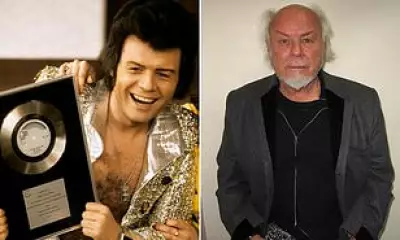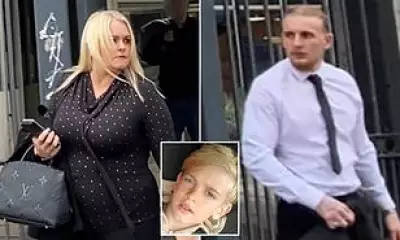
The tormented family of a woman who was groomed by Soham killer Ian Huntley before he murdered Holly Wells and Jessica Chapman have made a shocking plea to medical staff. They are begging doctors to save Huntley's life after a brutal prison attack, not out of compassion, but so he can return to jail and suffer for the remainder of his days.
Victim's Family Wants Justice Through Suffering
Huntley, the former school caretaker who is currently hospitalised in critical condition, reportedly targeted the woman less than a decade before he killed ten-year-old best friends Holly and Jessica in 2002. As Huntley receives life-saving treatment for severe head injuries sustained when another inmate bludgeoned him with a three-foot spiked metal pole, the family of his grooming victim expressed their grim hope for his survival.
A family member stated emphatically: "I hope he survives, I don't want him to die. He needs to go back to prison so he can suffer for the rest of his life." A source close to the family added the chilling perspective: "Death would be the easy way out."

History of Predatory Behaviour Before Murders
Huntley is serving a minimum of forty years for the Soham murders that horrified the nation in 2002. He lured Holly and Jessica into the home he shared with teaching assistant Maxine Carr after they left a family barbecue to purchase sweets. Following his life sentence in 2003, multiple women came forward alleging Huntley had targeted them before committing the double murder.
These disturbing accounts include allegations that Huntley once locked a girl in a room and demanded sex, and that he had sexual relations with a fifteen-year-old schoolgirl. When he learned she was pregnant, he reportedly gripped her by the throat and threatened: "I'll kill you." A source familiar with the cases noted: "Huntley was convicted of killing Holly and Jessica but had a long history of offending before then. The girls he targeted will not shed a tear for him."
Brutal Prison Assault Leaves Huntley Fighting for Life
Huntley, now fifty-two years old, is currently in an induced coma at the Royal Victoria Infirmary in Newcastle. The attack occurred as he bent to tie string on a crate in a recycling workshop at HMP Frankland in County Durham. According to reports, he was struck from behind up to fifteen times with a metal pole as fellow inmates watched the assault.
The suspected attacker, triple killer Anthony Russell, allegedly boasted: "I've done it, I've done it! I've killed him, I've killed him!" as prison staff led him away in handcuffs. Medical professionals initially gave Huntley just a five percent chance of survival following the vicious beating that crushed his skull.
Potential Transfer to Secure Hospital Facility
If Huntley recovers from his catastrophic injuries, he will not return to maximum-security HMP Frankland. Instead, due to the severity of his condition, he would likely be transferred to Ashworth Hospital on Merseyside, a secure psychiatric facility. A source explained: "The most likely destination for him if he gets out of hospital is Ashworth. His injuries are such that he is unlikely to go back to Frankland, at least initially."
Ashworth Hospital has faced criticism for what some describe as its "cushy" regime. The facility offers art and music workshops, pottery and cooking classes, and social activities including bingo and film nights. Patients are encouraged to participate in daily social activities as part of their treatment, with isolation discouraged. The environment features no steel doors, NHS staff who don't wear prison uniforms, and patients are permitted to enjoy surrounding green spaces.
Rooms include en suite facilities, and patients have access to music players and books. Huntley would join over two hundred others held under the Mental Health Act at the facility, which costs taxpayers approximately £300,000 annually per individual. Patients are treated as such rather than as prisoners, though Huntley would return to prison once deemed medically fit enough.
The case continues to raise difficult questions about justice, punishment, and the appropriate treatment of Britain's most notorious criminals as Huntley fights for his life while his victims' families grapple with complex emotions about his fate.