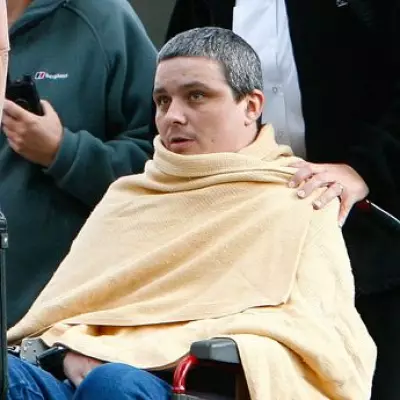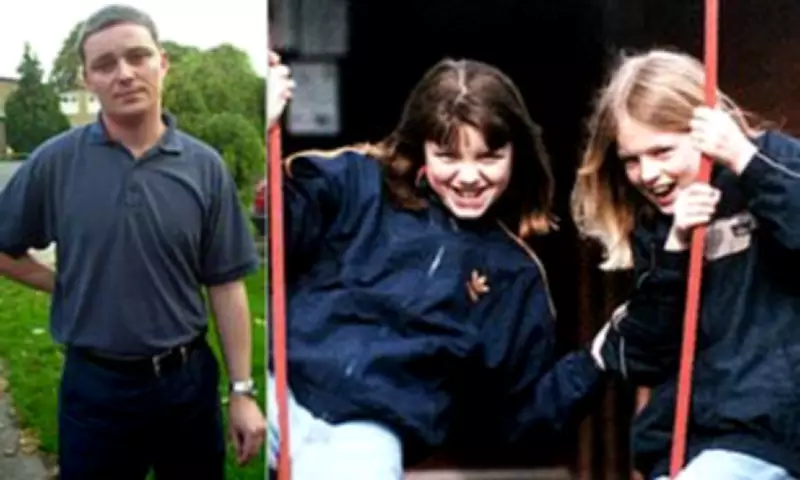
In a grim conclusion to one of Britain's most notorious criminal cases, Ian Huntley has died in prison custody, twenty-four years after he horrified the nation by murdering ten-year-olds Holly Wells and Jessica Chapman in Soham, Cambridgeshire. The convicted killer passed away at 8.45am on Saturday, following a violent assault in his cell that left him in a vegetative state, sparking a painful family disagreement over the decision to switch off his life-support system.
A Family Torn Over a Monster's Fate
Prison sources revealed to The Mail on Sunday this weekend that the issue of 52-year-old Huntley's next of kin had caused significant familial discord. Strictly speaking, the legal responsibility to consent to withdrawing life support fell to his daughter, Samantha Bryan, though she had never met her father. To her, he was simply a monster for whom "there was a special place in Hell," and she expressed relief upon hearing he was near death, stating she had always been judged for being his daughter.
Ultimately, the decision was left to his mother, Lynda Richards, who travelled from her Lincolnshire home to Newcastle's Royal Victoria Infirmary days after the attack. She had previously observed that "it's better if he doesn't pull through," though whether she shed tears at the end remains unknown. The former school caretaker is now expected to be cremated at an undisclosed location in a £3,000 state-funded service.
Brutal Assault in a High-Security Prison
Huntley was left in a vegetative state following a vicious attack with a metal pole at HMP Frankland in County Durham on February 26. The alleged assailant is fellow inmate Anthony Russell, a triple murderer and rapist, who grabbed the pole from a recycling crate. Huntley was found in a pool of blood after being bludgeoned in a prison workshop, marking the latest in a series of assaults he survived behind bars.
In 2005, an inmate threw boiling water over him in Wakefield Prison, West Yorkshire, and in 2010, he underwent emergency surgery after his throat was cut with a homemade weapon, requiring 21 stitches. It was previously reported that Huntley wore a red Manchester United football shirt around prison, which infuriated other inmates, echoing the image of his two victims wearing similar jerseys in a photograph taken shortly before their deaths.
A Legacy of Deception and Devastation
Huntley was jailed for life with a minimum sentence of 40 years in December 2003, with judges telling him he had "little or no hope" of ever being released. He died never having revealed the full truth about the girls' deaths, only offering a sanitised version. In court, he claimed both girls died accidentally, stating Holly drowned in his bath and he inadvertently suffocated Jessica while trying to stifle her screams.
However, in 2018 he confessed to deliberately killing Jessica to stop her from raising the alarm, though to her family's distress, he always maintained Holly's death was an accident. Huntley initially claimed the pair had left his house alive, but eventually admitted to dumping their bodies in a remote ditch, cutting off their clothes, and burning them to cover his tracks. During the 13-day search for the girls, he was filmed expressing sympathy to the families, claiming he was likely the last person to have seen them.
National Reforms Triggered by Tragedy
The murders of Holly and Jessica led to a comprehensive overhaul of child protection systems and vetting procedures for those wishing to work or volunteer with under-18s. Huntley had been a caretaker at Soham Village College, a state secondary school, after applying for the job under a different name, Ian Nixon, despite facing a string of sexual misconduct allegations, including a dropped rape charge involving a teenager.
In response to failures in sharing information between police forces, a national database was created to prevent intelligence from being held in isolation. The Ministry of Justice stated on Saturday: "The murders of Holly Wells and Jessica Chapman remains one of the most shocking and devastating cases in our nation's history, and our thoughts are with their families."
At the end, nobody was inclined to claim Ian Huntley, a man whose actions left an indelible scar on the national consciousness and prompted lasting changes in British safeguarding protocols.