Michigan Prison Art Initiative Transforms Inmate Lives Through Creative Expression
A groundbreaking University of Michigan program is demonstrating how artistic creativity can help incarcerated individuals survive prison life and rebuild their identities. The Prison Creative Arts Project, now in its 30th year, showcases hundreds of works by Michigan inmates, revealing how art provides therapeutic benefits and connection to the outside world.
Art as Survival Mechanism and Personal Redemption
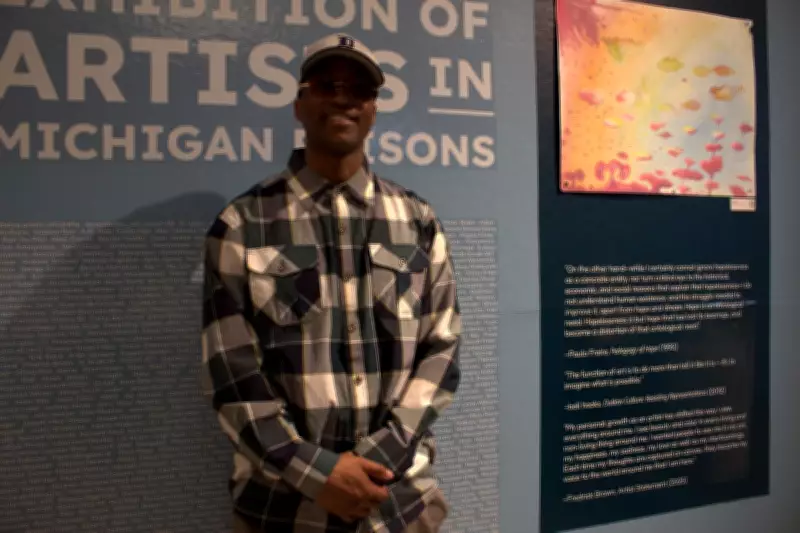
Kushawn Miles El's colored drawing "Inside the Journal of a Juvenile Life to Redemption" serves as a powerful example of how artistic expression can document personal transformation. After spending 32 years in prison following a first-degree murder conviction at age 18, Miles El discovered art as a means to process trauma and reclaim his narrative.
"I was able to illustrate where I started and where I ended up," Miles El explained to Bridge Michigan. "That right there inspired people who're trying to come home ... or people who gave up." His journey from mandatory life sentence to finding artistic voice demonstrates the program's profound impact.

Initially dissatisfied with a commissioned portrait of his family, Miles El began learning artistic techniques from fellow inmates in the early 2000s. His reluctant submission to the Prison Creative Arts Project exhibition in 2002 resulted in his first sale, transforming his perspective on creative expression.
"My artwork became my voice of reason," Miles El reflected. "It became a platform to speak to people outside of prison and show people a different side of people who are incarcerated."
Three Decades of Artistic Resilience and Institutional Support
The Prison Creative Arts Project launched its 30th annual exhibition in Ann Arbor, featuring more than 800 pieces from incarcerated artists across Michigan. Running through March 31, this represents the largest and longest-running prison art exhibition in the United States.
Nora Krinitsky, director of the project, emphasized its significance: "The exhibition is really a testament to the resilience of artists inside prison who continue to create and find new ways to express themselves, even in the most challenging circumstances."
Founded in 1990 through collaboration between the University of Michigan and the Michigan Department of Corrections, the program began as a theater workshop. It has since expanded to include creative writing and visual arts components, with students and volunteers conducting weekly workshops in southeast Michigan prisons.
Krinitsky observed transformative effects: "One of the most profound changes that I see in people who participate in our programs is a new sense of identity and ability to narrate their story in a new way."
Funding Structure and Program Operations
The project operates through grants and donor contributions rather than state funding. Proceeds from art sales benefit both the artists and the MDOC's Prisoner Benefits Fund for programming support.
Prison staff facilitate the program by chaperoning visits, assisting with art selection, recruiting participants, and promoting creative opportunities within correctional facilities. The MDOC declined to comment on the program's operations when contacted for this story.
Life-Changing Impact and National Parallels
Charles Brooks, a Detroit native who spent 20 years incarcerated for armed robbery and weapons charges, credits the program with saving his life. "To be able to get those emotions off of my chest, out of my pen, onto a piece of paper, allowed me to have a clear mind and take the time to figure out what my path is," Brooks explained.
Since his release in June, Brooks has launched Free Thoughtz, a literary workshop for youth affected by the criminal justice system. "The Prison Creative Arts Project saved my life and has enabled me with tools to hopefully help other people save theirs," he stated.

While unique to Michigan, similar prison art initiatives exist nationally. Massachusetts' Clark Gallery currently exhibits historical inmate artwork in its "Cell Solace: Born Confinement" display, while Alabama's Prison Arts + Education Project recently hosted its fifth annual Changing the Course Art Show featuring current and former inmates' creations.
The program demonstrates how artistic expression can provide incarcerated individuals with therapeutic benefits, identity reconstruction, and meaningful connections beyond prison walls, offering hope and rehabilitation through creative channels.