Ant and Dec Secure High Court Order in Art Consultant Dispute
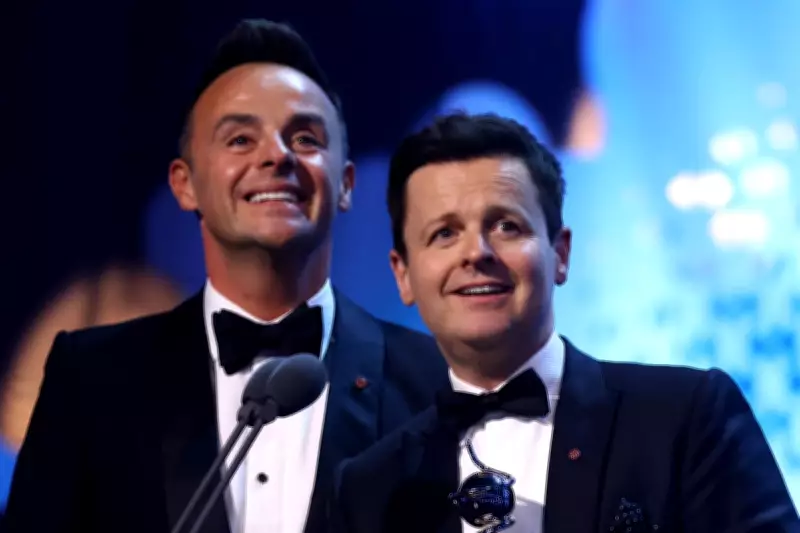
Television presenters Ant McPartlin and Declan Donnelly, widely known as Ant and Dec, have obtained a High Court order compelling an art dealer to disclose information regarding transactions with a consultant they accuse of making "secret and unauthorised" profits from their art dealings, including works by Banksy. Judge Iain Pester ruled on Wednesday, 4 March 2026, that the duo have a "good arguable case" that a legal wrong has been committed, though he emphasised no liability has been established against the consultant.
Details of the Alleged Financial Discrepancy
The claim, filed in the High Court on Tuesday, 3 March, centres on a purchase of Banksy artworks depicting Kate Moss in an Andy Warhol style. According to Harry Martin, the lawyer representing McPartlin and Donnelly, the presenters paid £550,000 for the set, but only £300,000 reached the seller, leaving £250,000 unaccounted for. Martin stated that the consultant "has not produced a bank statement accounting for the balance of £250,000," raising suspicions of misconduct.
The consultant, who remains unnamed, acted as an agent for Ant and Dec under "artwork ownership agreements" that ended in September 2021 after the relationship "broke down." These agreements involved buying, selling, loaning, storing, and insuring art, with the consultant receiving a 10 percent commission on sales. McPartlin and Donnelly allege that the consultant and their company received "secret commissions and made secret and unauthorised profits" from transactions on their behalf.

Court Proceedings and Art Dealer Involvement
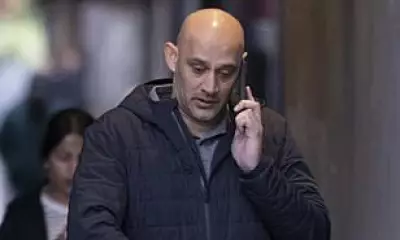
During the hearing, Martin explained that art dealer Andrew Lilley and his firm, Lilley Fine Art, were involved in at least one purchase and 22 sales for the presenters. While not accused of wrongdoing, Lilley and his company are considered "mixed up" in the matter and likely hold information crucial to uncovering the alleged misconduct. Martin argued there is a "good arguable case" that "full accounting has not happened," with questions lingering over these transactions and potential undiscovered wrongdoing in others.
Judge Pester's order requires Lilley to disclose transaction details, despite Lilley previously refusing for confidentiality reasons. Lilley has stated he will comply with the court order but maintains he is "caught up in this mess" that has "nothing to do with me." He told BBC News, "I was just purchasing art on what I thought was fair and market value, no idea what was going on in the background," adding that the dispute is now a matter for the courts between Ant and Dec and the third party.
Broader Implications and Next Steps
This case highlights the complexities of high-value art transactions and the fiduciary responsibilities of agents in the entertainment industry. Ant and Dec, best known for hosting Britain's Got Talent and I'm a Celebrity... Get Me Out of Here!, are seeking transparency to address the missing funds and alleged secret profits. The High Court's ruling marks a preliminary step, with further investigations likely as information is disclosed.
The Independent has reached out to McPartlin and Donnelly for comment, while Lilley emphasises the dispute is between the presenters and the consultant. As the legal process unfolds, this case could set precedents for accountability in art dealings involving celebrities and consultants, underscoring the importance of clear financial records in such transactions.