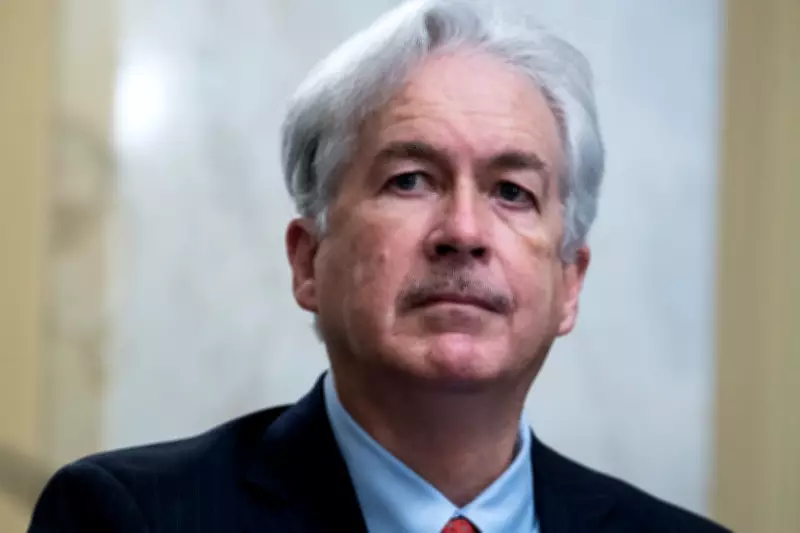
Newly released court documents have unveiled a series of messages exchanged between CIA Director Bill Burns and the late financier Jeffrey Epstein, shedding light on previously undisclosed contacts within the upper echelons of the intelligence community.
Details of the Communications
The documents, part of a broader legal case, include emails and other electronic communications that date back several years. They show that Burns, who has served as CIA Director since 2021, engaged in correspondence with Epstein, who was convicted of sex trafficking in 2008 and died in jail in 2019 while awaiting trial on further charges.
Nature of the Exchanges
While the exact content of the messages remains partially redacted for security and privacy reasons, sources indicate they cover a range of topics. These reportedly include discussions on international affairs, with Epstein known to have cultivated a network of influential figures in politics, business, and academia. There is no immediate evidence in the documents to suggest illegal activity or inappropriate conduct by Burns, but the revelations have sparked scrutiny over the extent of Epstein's reach into government circles.

Context and Implications
This disclosure comes amid ongoing investigations and public interest into Epstein's associations, following previous revelations about his ties to high-profile individuals. The CIA has not yet issued a formal statement, but insiders suggest the agency is reviewing the documents to assess any potential security or ethical concerns. Burns, a seasoned diplomat and former Deputy Secretary of State, has a long career in public service, and these messages could prompt questions about vetting processes for senior officials.
Reactions and Next Steps
Legal experts and transparency advocates are calling for further release of information to understand the full scope of these communications. The court documents are part of a larger trove that has been gradually made public, and more details may emerge in the coming weeks. This development adds to the complex legacy of Epstein's case, highlighting how his network intersected with various sectors, including intelligence.
As the story unfolds, it underscores the importance of accountability and oversight in government, particularly regarding interactions with controversial figures. The revelations may lead to renewed debates on ethics and transparency within the intelligence community, both in the US and among its allies.