Canine Discovery Links to Historic Murder Case
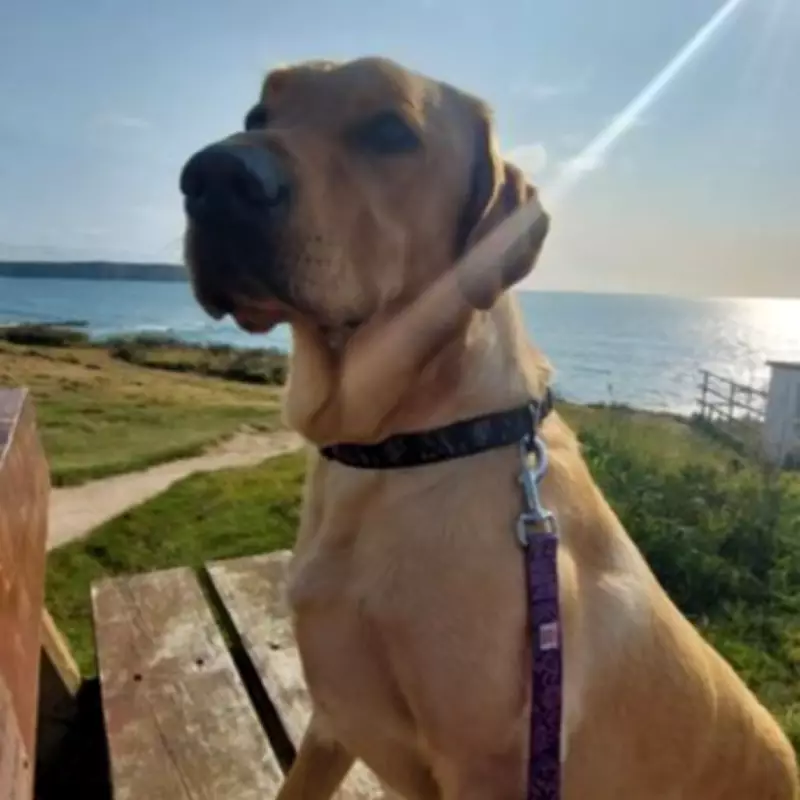
In a remarkable twist of fate, a pet dog has potentially uncovered crucial evidence related to a notorious 160-year-old murder after digging up a bottle of poison in a garden in Clyst Honiton, Devon. Stanley, a Labrador, unearthed the bright blue vial buried beneath his lawn, sparking an investigation that connects to a local historical crime.
The Unearthing of a Victorian Relic
Stanley's owner, Paul Phillips, aged 49, initially mistook the object for a pipe before noticing the ominous inscription 'Not To Be Taken' on the glass. This discovery led Paul to research the item, identifying it as a Victorian poison bottle in pristine, mint condition. He described how Stanley had been persistently digging in the same spot for about a year, despite attempts to patch it up or cover it with a paving slab. "One day I went outside and Stanley had exposed a pipe, so I got on my hands and knees, had a rummage around, did some mini-excavation and realised it was a bottle," Paul recounted.
Connection to a Notorious Crime
Further investigation revealed a chilling link to a murder that occurred just two doors away in 1865. Mary Ann Ashford was convicted of poisoning her husband, William Ashford, by adding arsenic to his tea. She was executed in front of 20,000 people at the County Gaol in Exeter on 28 March 1866, an event that contributed to the end of public executions in the area. Reports from the time indicate William fell ill with undiagnosable symptoms before his sudden death, and tests later found traces of arsenic and strychnine on Mary's clothing. Her motive was to use William's estate, valued at £120, to start a new life with her lover, Frank Pratt.

Paul speculated on the significance of the bottle's burial, stating, "The fact it was buried and not thrown away shows someone was trying to hide it." He added, "It is fascinating that we have found a bit of history in my garden from a woman that was instrumental in the end of corporal punishment 160 years ago."
Aftermath and Reactions
The grim nature of the story has left Paul reluctant to keep the bottle inside his home. "It was a brutal hanging so there was no way I want bottle in my home. It is in the garage at the moment which is a shame because its lovely but I bet it comes with some weirdness," he explained. His family and a neighbour, who is a local councillor, have been captivated by the tale. Interestingly, Stanley has ceased digging in that spot since uncovering the bottle, leading Paul to hope that a local historian might assist in uncovering more details. "What is crazy is that Stanley, after he dug the bottle up, hasn't been digging there since. If there is a local historian who is interested in coming to have a chat and do a bit more digging, that would be great," he said.
This incident highlights how everyday discoveries can shed light on historical events, with blue poison bottles like this one becoming common in the mid-19th century. The find not only adds a tangible piece to a dark chapter in Devon's past but also showcases the unexpected role pets can play in unearthing history.