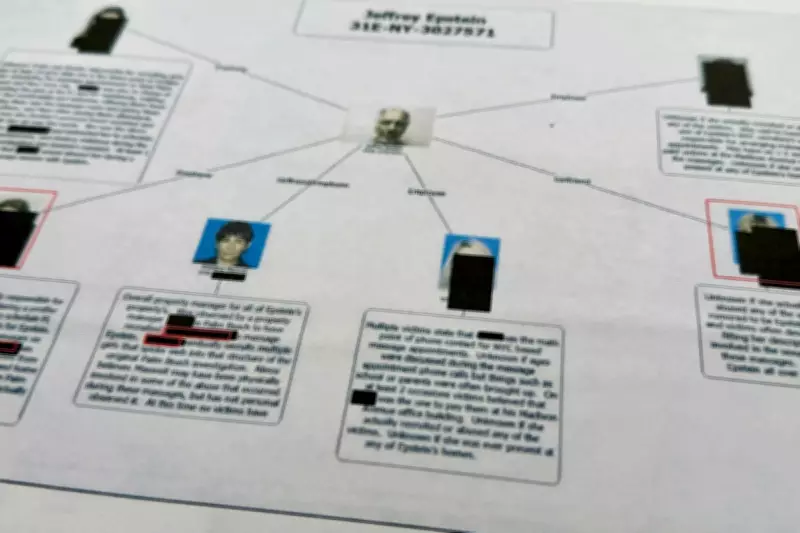
The release of Jeffrey Epstein investigation files by the US Justice Department has revealed shocking failures in protecting victims' privacy, with numerous uncensored documents exposing sensitive personal information despite legal requirements for redaction.
Systemic Redaction Failures Exposed
A comprehensive review by The Associated Press and collaborating news organisations has uncovered widespread and systematic failures in the redaction process. The documents, released to comply with federal disclosure laws, were supposed to protect victims' identities through careful blacking out of names, faces, and personal details. Instead, they reveal what victims' lawyers describe as "permanent and irreparable" harm through careless handling of sensitive materials.
Victims' Private Information Exposed
The documents contain numerous examples of completely unredacted police reports naming victims who have never publicly identified themselves. Photographs showing victims' faces and bodies remain visible, including images of underage girls and topless women. Personal information such as bank account numbers, social security details, dates of birth, and telephone numbers appear in full view throughout the released materials.

Annie Farmer, who says she was sexually assaulted by Epstein and Ghislaine Maxwell at age sixteen, expressed particular anger about the careless handling of her private information. "The fact that it's been done in such a beyond careless way, where people have been endangered because of it, is really horrifying," she told NBC News.
Justice Department's Response and Challenges
The Justice Department has acknowledged problems with the document release, attributing them to technical and human errors during a compressed thirty-day review period mandated by legislation signed by President Donald Trump in November. Hundreds of lawyers were pulled from regular duties, including criminal case oversight, to complete the massive document review - a move that drew complaints from at least one New York judge about delays to other legal matters.
Despite removing some problematic materials and working to republish properly redacted versions, the department continues to face criticism. Victims' lawyers have called for the complete removal of the online database and appointment of an independent monitor to prevent further privacy violations.
Inconsistent and Bizarre Redactions
The review reveals not only failures to redact sensitive information but also bizarre instances of over-redaction. In one example, the name "Joseph" was blacked out from a photo caption describing a nativity scene at a California church. Another document shows redaction of what appears to be a dog's name in a personal email about pet care.
These inconsistencies highlight what victims' attorney Brittany Henderson describes as more than technical failures. "The failure here is not merely technical," she stated. "It is a failure to safeguard human beings who were promised protection by our government. Until every document is properly redacted, that failure is ongoing."
Photographic Evidence Problems
Particularly concerning are the photographic materials included in the release. While the Justice Department stated its intention to obscure any nudity or identifiable features of potential victims, many images show partial redactions that leave substantial amounts of bare skin visible. Photos depict identifiable women in private settings such as clothing store dressing rooms and beach environments.
In one particularly egregious example, a collection of over one hundred images of a young woman shows nearly complete redaction except for the final photograph, which reveals her entire face - effectively negating the privacy protection of all preceding images.
Legal Proceedings and Ongoing Concerns
A scheduled court hearing in New York was cancelled this week after lawyers reported progress in addressing the issues, but victims' representatives continue to explore "all potential avenues of recourse." The database represents the largest release of Epstein-related files to date, stemming from investigations into the financier who died by suicide in 2019 while awaiting trial on federal sex trafficking charges.

The Associated Press continues its collaborative review of the documents with journalists from CBS, NBC, MS NOW, and CNBC, with each news organisation maintaining independent editorial control over their coverage while sharing information about the contents of this unprecedented document release.