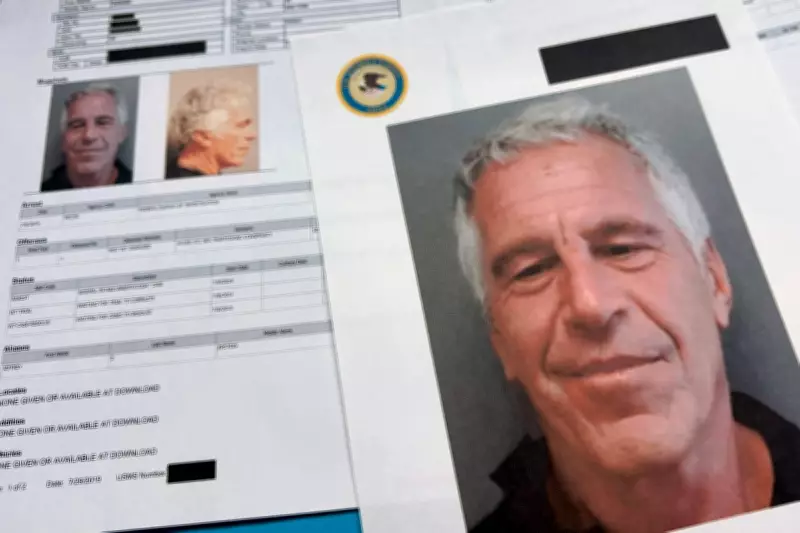
Epstein File Redactions Expose Young Victims and High-Level Official
Lawmakers have revealed that the remaining Department of Justice files on Jeffrey Epstein contain shocking details, including a victim as young as nine years old and allegations implicating a senior official in a foreign government in his sex trafficking network. Democratic congressmen Jamie Raskin and Ro Khanna, alongside Republican Thomas Massie, visited the DOJ on Monday to review the sensitive, uncensored material via a secure terminal.
Lawmakers Question Redaction Decisions
Emerging from the DOJ headquarters in Washington, D.C., the trio expressed serious concerns about the redactions applied to the files. "You read through these files, and you read about 15-year-old girls, 14-year-old girls, 10-year-old girls," Raskin stated. "I saw a mention of a nine-year-old girl today. I mean, this is just preposterous and scandalous."
Massie, who collaborated with Democrats to pass the Epstein Files Transparency Act in November, reported seeing references to an individual "pretty high up in a foreign government" involved in Epstein's circle. Khanna added, "There are six men, some of them with their photographs, that have been redacted, and there's no explanation why those people were redacted. That's really concerning."

Threats to Reveal Names in Congress
Massie indicated he might disclose the identities of these men "from the floor or in a committee hearing," leveraging the Speech and Debate Clause for protection against lawsuits. He emphasized, "What we're after is the men who Jeffrey Epstein trafficked women to," but noted he would delay naming them to allow the DOJ to "correct their mistakes."
Raskin criticized the redactions, stating, "We didn't want to see any redactions of the names of co-conspirators, accomplices, enablers, abusers, rapists, simply to spare them potential embarrassment, political sensitivity or disgrace of some kind. And yet nonetheless, the Epstein documents that were released are filled with redactions of names and information about people who clearly are not victims and may fall into that other category."
Background on Document Releases
The Epstein Files Transparency Act, passed nearly unanimously last fall, mandated a 30-day deadline for the full release of DOJ files on Epstein, who died by suicide in August 2019 while awaiting trial. However, the department released only partial batches: a small portion on December 19, a slightly larger tranche on December 23, and a major release of three million pages, including 2,000 videos and 180,000 images, on January 30.
Deputy Attorney General Todd Blanche defended the releases at a White House briefing, claiming the approximately 3.5 million files published were all that could be safely disclosed from over six million without compromising victims. Despite this, many remain dissatisfied, with Epstein survivors airing a TV spot during Super Bowl LX calling for full transparency and urging Attorney General Pam Bondi to "tell the truth."
Broader Implications and Reactions
The document releases have reignited outrage over associates like Andrew Mountbatten-Windsor and former U.K. ambassador Peter Mandelson, leading Khanna to remark, "This is the most vulnerable the British monarchy has ever been." While former President Donald Trump has urged moving on from the scandal, it persists in public discourse.
In related developments, Ghislaine Maxwell appeared virtually at a closed-door Capitol Hill hearing on Monday, repeatedly pleading the Fifth and refusing to discuss Epstein's crimes. Her lawyer, David Oscar Markus, stated she was "prepared to speak fully and honestly if granted clemency by President Trump." Republican House Oversight Committee chairman James Comer called Maxwell's decision "very disappointing" but "expected."