Epstein Files Expose Aborted 2007 Federal Indictment and Elite Network
Newly disclosed government files on Jeffrey Epstein have unveiled startling details about an earlier investigation that authorities believed was on the verge of indicting the wealthy financier on sex crimes nearly two decades ago, before being abruptly terminated. The documents, released by the Justice Department, provide a deeper look into Epstein's interactions with high-profile figures after his Florida conviction and shed light on how much investigators knew about his abuse of underage girls when they opted not to pursue federal charges.
Communications with Prominent Figures and Investigation Details
The files, made public on Friday, include Epstein's communications with former White House advisers, an NFL team co-owner, and billionaires such as Bill Gates and Elon Musk. In accordance with a transparency law, the Department of Justice under President Donald Trump committed to releasing over 3 million pages of documents, along with more than 2,000 videos and 180,000 images, collected during two decades of investigations into Epstein.
Posted on the department's website, the documents detail Epstein's friendship with Britain's Andrew Mountbatten-Windsor, formerly Prince Andrew, and his email correspondence with figures like former Trump adviser Steve Bannon and New York Giants co-owner Steve Tisch. These records highlight Epstein's extensive network within political, business, and philanthropic circles.

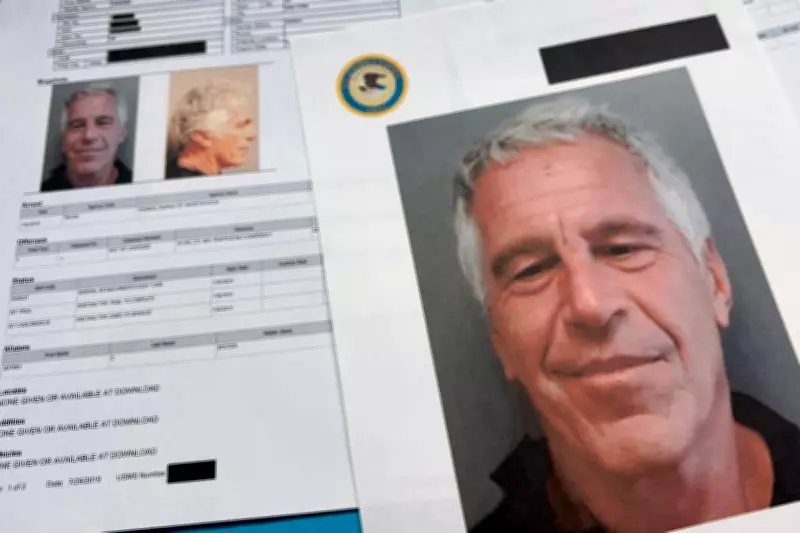
Additionally, the files offer insights into various investigations, including those that led to sex trafficking charges against Epstein in 2019 and his associate Ghislaine Maxwell in 2021, as well as an earlier inquiry that uncovered evidence of Epstein abusing underage girls but never resulted in federal charges.
Draft Indictment and Employee Testimonies
According to the newly released records, the FBI initiated an investigation into Epstein in July 2006, with agents anticipating an indictment by May 2007. A prosecutor drafted a proposed indictment after multiple underage girls reported to police and the FBI that they had been paid to provide Epstein with sexualised massages.
The draft indicated that prosecutors were preparing to charge not only Epstein but also three of his personal assistants. Interview notes from 2007 reveal that an employee at Epstein's Florida estate informed the FBI about tasks such as buying flowers for a student at Royal Palm Beach High School and fanning $100 bills near Epstein's bed.
The employee, whose name was redacted, described duties that included placing a gun between mattresses and cleaning up after Epstein's massages with young girls, which involved disposing of used condoms. Despite this evidence, the U.S. attorney in Miami at the time, Alexander Acosta, approved a deal that allowed Epstein to avoid federal prosecution, leading to an 18-month jail sentence for a state charge of soliciting prostitution from a minor.
Epstein's Attempt to Arrange a Date for Prince Andrew
The records contain thousands of references to Donald Trump, including emails where Epstein and others discussed news articles, policies, or gossiped about him and his family. Mountbatten-Windsor's name appears hundreds of times, with a notable 2010 email exchange in which Epstein attempted to set him up on a date.
Epstein wrote, "I have a friend who I think you might enjoy having dinner with," to which Mountbatten-Windsor replied, "I would be delighted to see her," signing off as "A." In a follow-up, Epstein described the woman as "26, russian, clevere beautiful, trustworthy and yes she has your email."
Criticism of Justice Department's Handling and Legal Aftermath
The Justice Department is facing scrutiny over its handling of the latest disclosure. A group of Epstein accusers criticised the documents for making it too easy to identify victims while protecting those potentially involved in his criminal activities. They stated, "As survivors, we should never be the ones named, scrutinized, and retraumatized while Epstein's enablers continue to benefit from secrecy."

Meanwhile, Maryland Representative Jamie Raskin, the top Democrat on the House Judiciary Committee, urged the department to allow lawmakers to review unredacted versions of the files promptly. He emphasised that Congress must evaluate whether the redactions were lawful or improperly shielded individuals from scrutiny.
Department officials acknowledged that many records are duplicates, and reviewers applied varying standards when redacting names and identifying information, leading to inconsistencies where names were exposed in one copy but concealed in another.
Epstein's Connections and Case Outcomes
The released records reinforce that Epstein maintained friendships with powerful figures like Donald Trump and former President Bill Clinton before his legal troubles. No public accusations of wrongdoing have been made against Trump or Clinton by Epstein's victims, and both have denied knowledge of his abuse of underage girls.
Epstein died by suicide in a New York jail in August 2019, shortly after being indicted. In 2021, Ghislaine Maxwell was convicted of sex trafficking and sentenced to 20 years in prison. U.S. prosecutors have not charged anyone else in connection with Epstein's abuse.
One victim, Virginia Roberts Giuffre, sued Mountbatten-Windsor, alleging sexual encounters starting at age 17. The former prince denied the allegations but settled the lawsuit for an undisclosed sum. Giuffre died by suicide last year at age 41.