In a shocking twist to a decades-old murder mystery, a stepbrother's fabricated admission of guilt ultimately catalyzed a crucial forensic breakthrough, yet full justice continues to evade the victim's family. The brutal 1995 killing of 15-year-old Nicole van den Hurk in the Netherlands had long haunted investigators, with the case growing cold despite extensive national attention and public outcry.
A Disturbing Social Media Confession
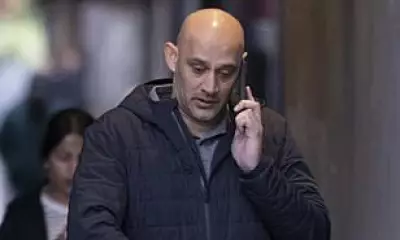
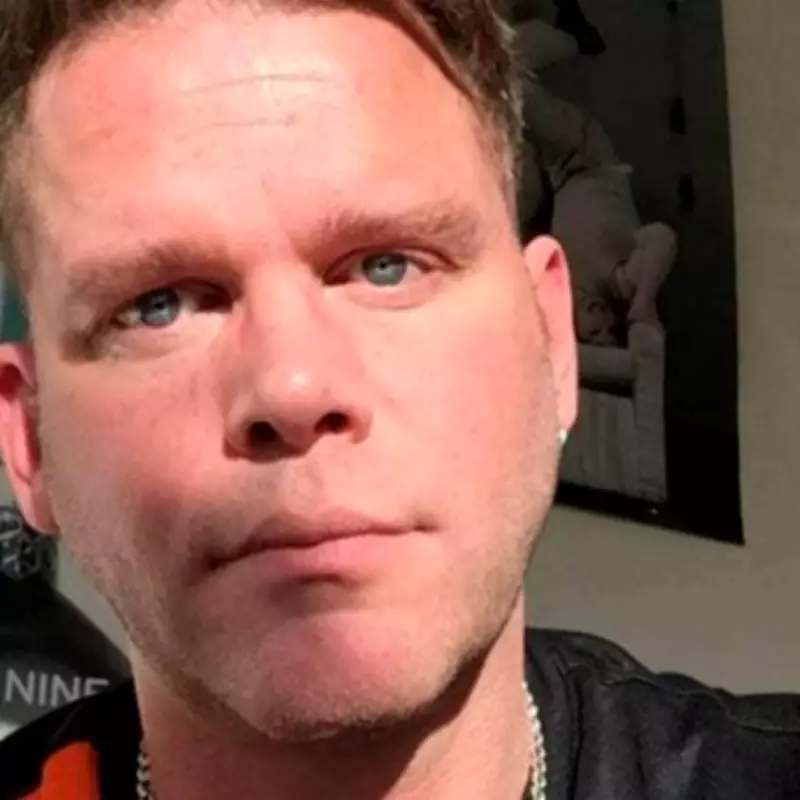
On March 11, 2011, Andy van den Hurk posted a chilling declaration on his Facebook page, stating he would be arrested for the murder of his step-sister and had confessed to the crime. This public admission immediately reignited interest in the tragic disappearance of Nicole, who vanished while cycling to her shift at a shopping centre in Eindhoven. Her bicycle and rucksack were discovered later that evening, and her body was found a month afterwards in nearby woodland, bearing signs of a savage stabbing attack.
A Nation Gripped by Tragedy
The murder captivated the Netherlands, with hundreds joining search efforts and thousands attending Nicole's funeral in November 1995. Initial investigative leads, including a 1996 detention of a family acquaintance who claimed coercion by the killers, failed to produce convictions. As years passed, detectives shifted focus to other cases, though a cold case inquiry reopened in 2004 yielded no fresh evidence.

Frustrated by the stalled investigation, Andy van den Hurk, then residing in the United Kingdom, decided to take drastic action. His false confession led to detention by British authorities and extradition to the Netherlands, where he was released five days later due to insufficient evidence linking him to the crime.
The Calculated Strategy Behind the Lie
Andy quickly retracted his admission, explaining his audacious motive: "I wanted to get [Nicole] exhumed and get DNA off her. I kind of set myself up and it could have gone horribly wrong." He expressed enduring grief, adding, "She is my sister. I miss her every day." Remarkably, his risky plan succeeded in September 2011, when renewed police interest prompted the exhumation of Nicole's body for DNA analysis.
Forensic Evidence Identifies a Suspect
The DNA tests revealed traces from two males: Nicole's boyfriend at the time and an unidentified individual. This second profile matched Jos de G, a 46-year-old former psychiatric patient with prior convictions for rape. Notably, one of de G's previous offenses involved attacking a young female cyclist in a nearby town and raping her at knifepoint, mirroring aspects of Nicole's case.
In April 2014, charges for rape and murder were brought against de G. However, the defense argued that semen found on Nicole and her coat could have resulted from consensual activity, leading to a reduction of charges to manslaughter. After a protracted two-year court process, de G was acquitted of manslaughter and sentenced to only five years for rape, a verdict upheld by the Dutch Supreme Court in June 2020.
An Unsolved Mystery Endures
While Andy van den Hurk's false confession unlocked critical DNA evidence, the legal outcome has left the case partially unresolved, highlighting the complexities of cold case investigations and forensic challenges. The tragedy of Nicole's murder continues to resonate, underscoring the lengths to which family members may go in pursuit of justice, even when it means risking personal freedom through deception.