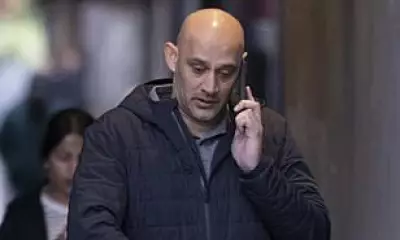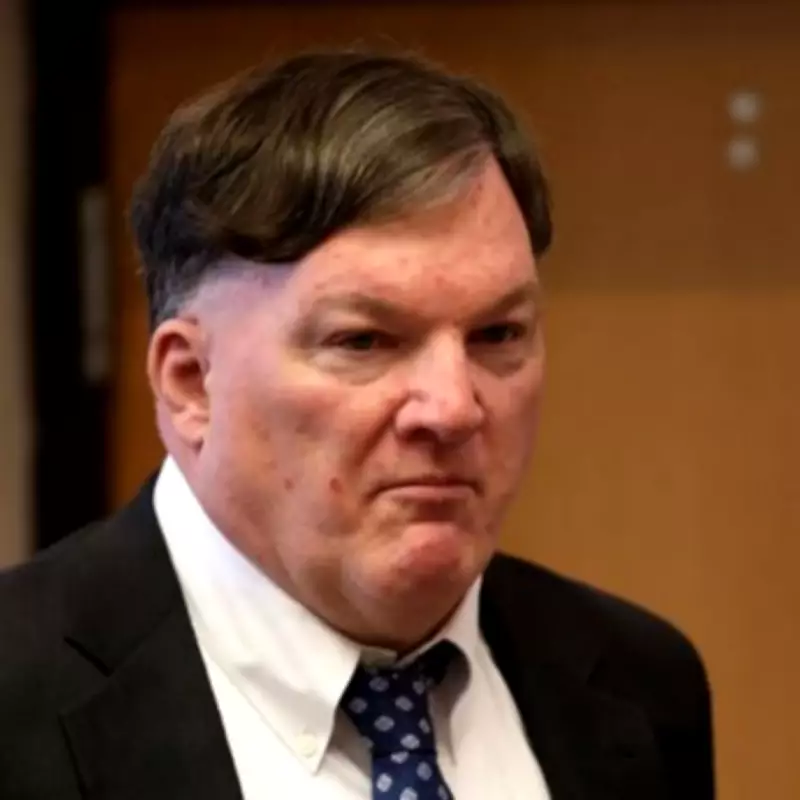
In a dramatic courtroom development, the suspected perpetrator behind the infamous Gilgo Beach serial killings has confessed to a horrifying series of murders. Rex Heuermann, a 62-year-old architect from Long Island, entered a guilty plea on Wednesday, admitting to the intentional killings of seven women and acknowledging his role in the death of an eighth victim.
A Secret Life Unveiled
Heuermann, who had been held in custody since his arrest outside his Manhattan office in July 2023, led a double life that spanned nearly three decades. From 1993 to 2011, he methodically murdered his victims, predominantly women who police reports indicate were engaged in sex work. The grim discovery of four bodies along Gilgo Beach in 2010 first brought the case to public attention, marking the beginning of an intensive investigation.
The Victims and the Investigation
The initial group of victims, known as the "Gilgo Four," included Melissa Barthelemy, 24, Maureen Brainard-Barnes, 25, Amber Costello, 27, and Megan Waterman, 22. Their remains were found on the remote beach, sparking a task force dedicated to solving the crimes. Additional victims were identified as Jessica Taylor, 20, and Valerie Mack, 24, whose remains were discovered along the beach parkway, while Sandra Costilla's body was found over 60 miles away in the Hamptons.

An eighth woman, Karen Vergata, was identified in 2023. Her remains, found on Fire Island in 1996 and near Gilgo Beach in 2011, are linked to Heuermann, though he was not formally charged with her murder. The investigation leveraged advanced DNA analysis, vehicle registration databases, and meticulous surveillance to build a case against Heuermann.
Breakthroughs in the Case
Key breakthroughs occurred in 2022 when a new police commissioner established the Gilgo Beach task force. Detectives used a vehicle registration database to connect Heuermann to a pickup truck spotted near a victim's disappearance in 2010. This led to over 300 subpoenas and search warrants, enabling a deep dive into his life.
Mobile phone data placed Heuermann in contact with some victims before they vanished. His internet search history revealed a disturbing fascination with violent torture pornography and the Gilgo Beach killings investigation. To secure DNA evidence, surveillance teams in Manhattan retrieved a discarded pizza box from Heuermann, matching DNA from the crust to a hair found on burlap used to restrain a victim.
Evidence and Sentencing
Following his arrest, a 12-day search of Heuermann's home in Massapequa Park uncovered a basement vault containing 279 weapons. On his computer, investigators found what they described as a "blueprint" for the killings, including checklists for limiting noise, cleaning bodies, and destroying evidence.
Last year, a judge rejected Heuermann's attempt to exclude DNA evidence obtained through advanced techniques, which prosecutors argue definitively proves his guilt. Heuermann appeared before a judge at Suffolk County District Court in Riverhead, New York, to change his plea, admitting to intentionally causing the death of Karen Bragata and disposing of her remains. He is scheduled to be sentenced at a later date, bringing closure to a case that has haunted Long Island for years.