An 80-year-old Italian man is currently under investigation by prosecutors in Milan for his alleged involvement in one of the most chilling aspects of the Bosnian War. He is accused of being part of a group of so-called "sniper tourists" who purportedly paid Bosnian Serb soldiers for the opportunity to shoot at civilians during the brutal four-year siege of Sarajevo in the 1990s.
Details of the Allegations
The suspect, a former truck driver from the Veneto region in northern Italy, is being investigated on charges of aggravated murder, according to a source close to the case. This marks the first individual to be placed under formal investigation since the inquiry was initiated by Milan prosecutors in November. Italian press reports suggest the man allegedly boasted about "conducting a manhunt," highlighting the disturbing nature of the accusations.
The Siege of Sarajevo
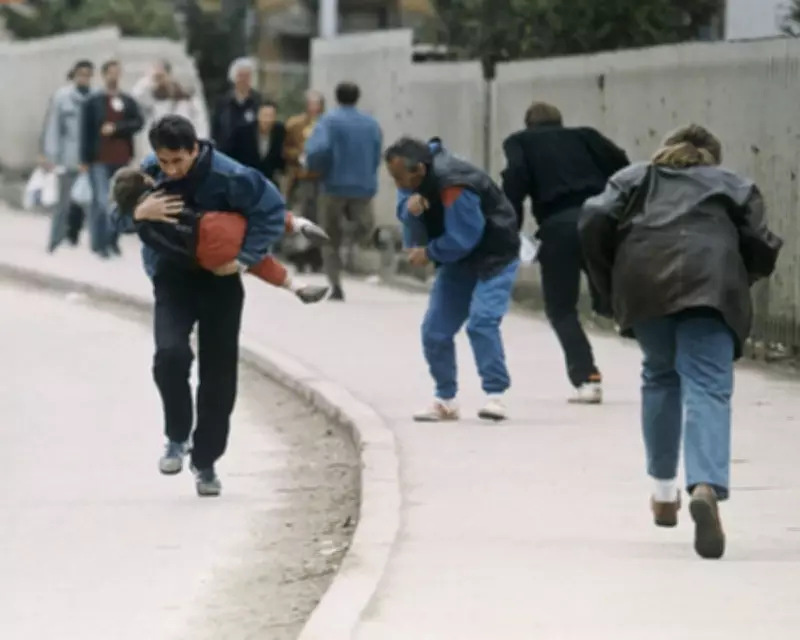
The siege of Sarajevo, which lasted from 1992 to 1996 following Bosnia and Herzegovina's declaration of independence from Yugoslavia, stands as the longest siege in modern history. More than 10,000 people lost their lives due to relentless shelling and sniper fire. Snipers were particularly feared, as they would randomly target individuals on the streets, including children, taking advantage of the city's vulnerable position in a basin surrounded by mountains.

Origins of the Investigation
The investigation was sparked by a legal complaint from Ezio Gavazzeni, a Milan-based writer who gathered evidence on these allegations, along with a report submitted by Benjamina Karić, the former mayor of Sarajevo. Gavazzeni first encountered reports about sniper tourists in the 1990s Italian press but was motivated to delve deeper after watching the 2022 documentary Sarajevo Safari by Slovenian director Miran Zupanič. The documentary features testimonies from a former Serbian soldier and a contractor, who claim that groups of Westerners paid to shoot civilians from the hills surrounding Sarajevo, though Serbian war veterans have strongly denied these claims.
How the Alleged Operations Worked
According to Gavazzeni, the Italian suspects would convene in Trieste, a northern Italian city, before traveling to Belgrade. From there, Bosnian Serb soldiers would escort them to the hills overlooking Sarajevo. Gavazzeni described this as "a traffic of war tourists who went there to shoot people," characterizing it as an "indifference towards evil." These tourists are alleged to have paid substantial sums to soldiers associated with Radovan Karadžić, the former Bosnian Serb leader convicted of genocide and crimes against humanity in 2016.
Symbolic Tragedy of the Siege
Perhaps the most iconic victims of sniper fire during the siege were Bošco Brkić and Admira Ismić, a couple whose story was documented in the film Romeo and Juliet in Sarajevo. They were killed by a sniper in 1993 while attempting to cross a bridge, and their bodies lay in no man's land for days. Photographs of their tragic fate were widely published, becoming powerful symbols of the war's randomness and inhumanity.
The ongoing investigation underscores the lasting impact of the Bosnian War and the pursuit of justice for atrocities committed, even decades later. As Milan prosecutors continue their work, this case sheds light on a dark chapter of history where civilians were targeted for sport, highlighting the need for accountability in the face of such horrors.