Journalist Who First Interviewed Ian Huntley Explains Why He Reported Him to Police
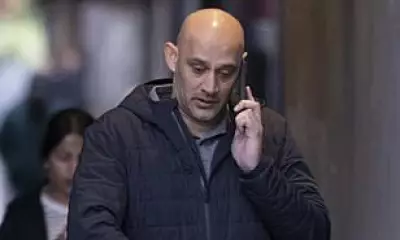
Brian Farmer, the first journalist to interview Ian Huntley following the disappearance of Holly Wells and Jessica Chapman, has detailed the specific reasons that prompted him to report the killer to police. Farmer, who worked for the Press Association in East Anglia at the time of the tragedy, spoke out after Huntley's death in prison.
The Initial Interview and Growing Suspicion
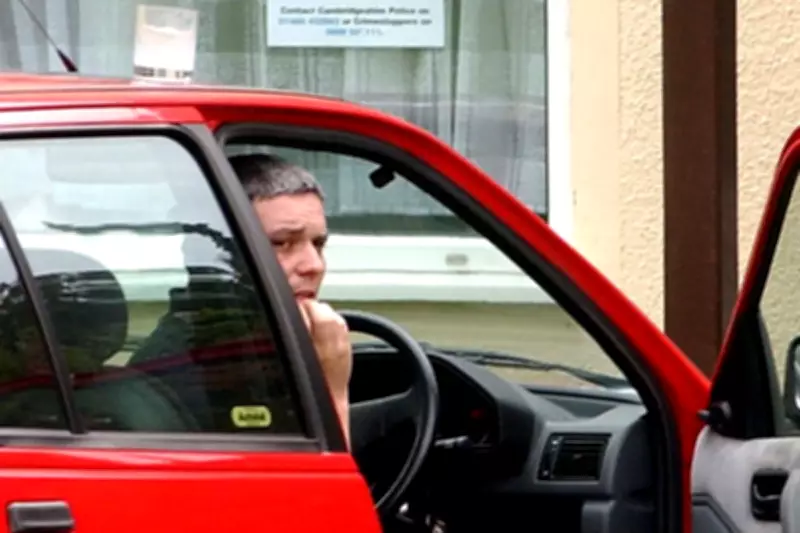
In August 2002, after police issued details of the last sightings of the two ten-year-old girls, Farmer sought out Huntley, who was the caretaker at a secondary school near where the children vanished. He also interviewed Huntley's partner, Maxine Carr, a teaching assistant at the girls' primary school. Farmer explained his decision to approach them, noting that Huntley was reportedly the last person to see the children alive, and that such individuals are often suspects in missing persons cases.
During the interview on August 8, 2002, Huntley described washing his Alsatian dog, Sadie, after a muddy walk, and claimed the girls had inquired about their teaching assistant. However, Farmer immediately found the account unconvincing. "It wasn't what they'd said that I thought was strange. It was what they hadn't said," Farmer recalled. He emphasized that the girls made no mention of the dog, which seemed implausible for children encountering a man washing a pet with soap and water on a summer day.

Critical Inconsistencies That Raised Alarm
Farmer's suspicions deepened when he asked Carr whether the girls had been taught about stranger danger or how they might react if a man invited them inside. Unexpectedly, Huntley interjected to answer, speculating that Holly would go quietly while Jessica would resist. "I didn't show it at the time, but I couldn't understand how he could know that," Farmer said. He questioned how a caretaker at a different school could possibly predict the children's behavior, unlike their parents or teachers.
This inconsistency, combined with Huntley's emotional display of weeping over the girls' "disappearance," led Farmer to conclude that Huntley was not being truthful. In his contemporary report, Farmer quoted Huntley saying, "It seems they have just disappeared off the face of the earth... How can two girls go missing in broad daylight, then nothing? No sighting. No nothing. It beggars belief."
Reporting to Authorities and Legal Aftermath
After filing his story, Farmer consulted his elder brother, a retired senior detective, who advised him to contact the police. Acting on this guidance, Farmer informed Cambridgeshire Police about the strange and potentially false statements made by Huntley. This report contributed to the arrest of Huntley and Carr on August 17, 2002.
Farmer later testified at the Old Bailey trial in 2003, where Huntley was convicted of murder despite his denials. Carr received a 21-month sentence for perverting the course of justice by providing a false alibi and now lives under a new identity. Huntley was sentenced to life with a minimum term of 40 years, meaning he would not have been eligible for parole until the 2040s.
Reflections on the Tragedy
Following Huntley's death, Farmer expressed sympathy for the families of Holly Wells and Jessica Chapman, acknowledging that their pain endures. "I've been thinking today about the parents, not about me or about my experiences," he said. "It simply can never go away for them, and this must be a day that's just beyond belief for them, isn't it, that they have to go through it again."
Farmer's actions highlight the role of journalistic intuition in criminal investigations, demonstrating how careful observation and professional diligence can aid law enforcement in pursuing justice for victims and their families.