Maduro and Flores Face Federal Court in New York on Drug Trafficking Allegations
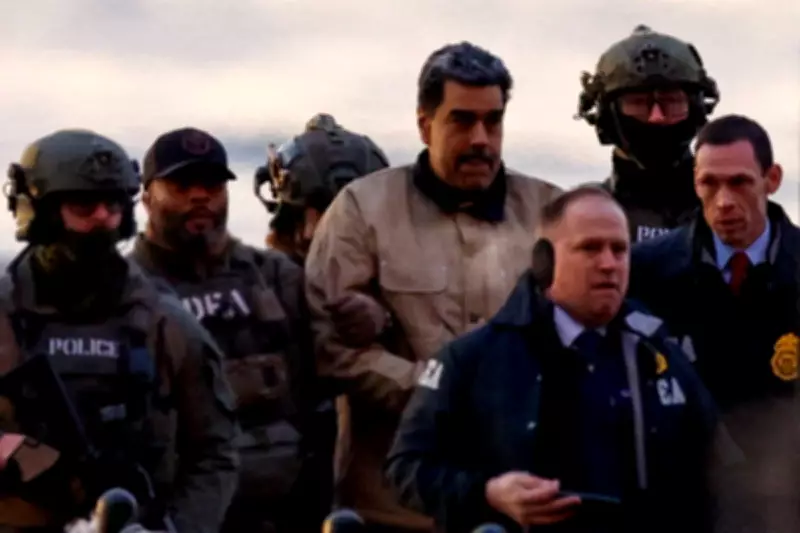
Ousted Venezuelan President Nicolas Maduro and his wife, Cilia Flores, have returned to a federal courtroom in Manhattan, marking their first public appearance in over two months since declaring innocence in a sprawling narco-terrorism case. The couple, captured in Caracas during a deadly U.S. military operation in January, pleaded not guilty to charges alleging they led a massive cocaine trafficking operation.
Court Hearing Addresses Legal Funding and Protective Orders
Thursday's hearing, scheduled for 11 a.m. ET at the Daniel Patrick Moynihan United States Courthouse, is expected to determine next steps in the case. Key issues include settling how the couple can fund their legal team amid sanctions-related restrictions, with the Trump administration moving to block Venezuelan government payments for Maduro's defense, according to court filings. Attorneys are also likely to discuss the government's motion for a protective order involving evidence.
Senior District Judge Alvin Hellerstein, 92 years old, is presiding over the case, which raises critical legal questions about the late-night raid to extract a head of state from another country. This could ultimately determine the fate of the charges against Maduro and Flores.

Maduro's Defense Challenges Legality of Capture and Due Process
In a previous hearing, Maduro, speaking in Spanish, declared himself a "prisoner of war" and "a decent man," stating, "I am not guilty of anything that is mentioned here." His legal team intends to introduce "voluminous" legal issues surrounding the legality of their arrest and "military abduction," as noted in January filings.
Maduro has filed a motion to dismiss the case, alleging violations of his due process rights and right to counsel after his "abduction" by U.S. forces. His attorneys argue that the U.S. government is preventing him from retaining counsel of his choice and receiving a fair defense, violating his Sixth Amendment and Due Process rights. They claim any trial under these circumstances would be "constitutionally defective" and unable to withstand later challenge.
Prosecution Alleges Conspiracy with Narco-Terrorist Groups
Federal prosecutors, led by U.S. Attorney Jay Clayton, counter that Maduro's claims of a "targeted attack" are "misleading and undermined by the facts." They allege Maduro led a conspiracy to ship drugs from Venezuela to the United States via the Caribbean and Central America, using fishing boats, container ships, clandestine airstrips, and commercial airports protected by corrupt officials.
The indictment states that the defendants relied on "violent narco-terrorist groups," including various cartels and gangs such as Tren de Aragua, which the Trump administration has targeted as part of its anti-immigration agenda. The conspiracy allegedly "lines the pockets of Venezuelan officials and their families while also benefiting violent narco-terrorists who operate with impunity on Venezuelan soil."
Injuries and Detention Conditions Highlighted
Flores suffered "significant injuries" during the capture, including "severe bruising" and a possible fracture, according to her attorneys in January. The couple has spent more than 80 days in separate units at Brooklyn's Metropolitan Detention Center, a federal jail that has housed high-profile inmates like Jeffrey Epstein, Ghislaine Maxwell, and Sean "Diddy" Combs. They are expected to remain there while their legal battle continues.
Political Context and Similar Cases
The capture resulted from Donald Trump's months-long pressure campaign to topple Maduro's government and deploy U.S. oil companies into Venezuela. Trump, now focused on a war in Iran and potential U.S. involvement in Cuba, has joked about making Venezuela the 51st state while cooperating with interim President Delcy Rodriguez.
The case parallels that of former Honduran President Juan Orlando Hernandez, sentenced to 45 years for leading a cocaine-trafficking operation, though Trump pardoned him in December, calling it a politically motivated "set up" under Joe Biden's administration.