Mexico's Disappeared Haunt Guadalajara Streets as Families Fear World Cup Erasure
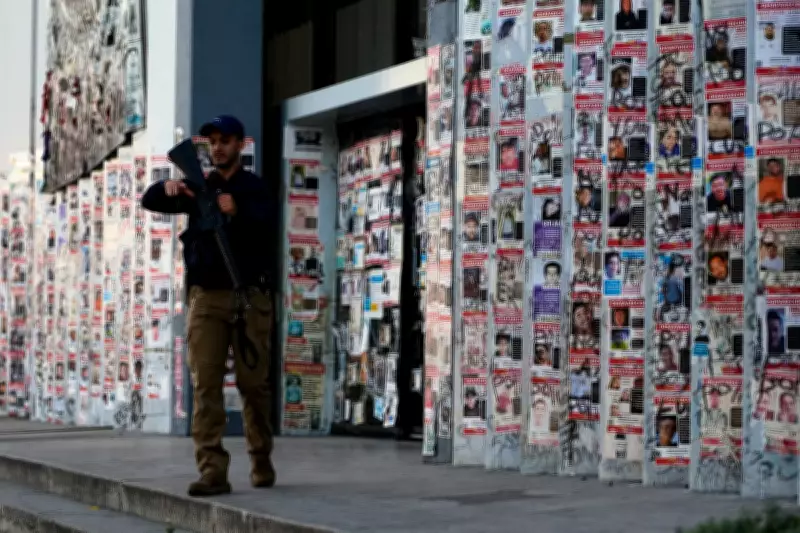
The faces of Mexico's disappeared paint the streets of Guadalajara, the country's second-largest city, with thousands of fliers pleading for information on missing loved ones. These posters, bearing messages like "We miss you" and "have you seen her?", line buildings, monuments, lamp posts, and bus stops, becoming an integral part of daily life in the heart of Jalisco state's forced disappearance crisis.
A Crisis Woven into Urban Fabric
Workers bustle by the fliers in throngs in Guadalajara's center, men play basketball on courts surrounded by them, and a steady stream of cars passes by daily. Jalisco, marked by recent violence following the killing of cartel leader "El Mencho", has over 12,500 documented cases of disappeared people, contributing to Mexico's total of nearly 131,000 missing individuals—enough to fill a small city. Forced disappearances have long been a tactic by cartels to consolidate control through terror while concealing homicide numbers.
For many, this crisis symbolizes the lack of justice and deep corruption permeating Mexico, particularly in states like Jalisco. Families often take matters into their own hands, organizing searches for bodies and hanging fliers to pressure authorities. "Little-by-little it kills a part of your soul. They don’t only disappear your loved one, but also you as a father, or as a mother along with them," said Héctor Flores, leader of the search collective Luz de Esperanza (Light of Hope).

Families Fight for Visibility Amid Government Pushback
Flores began hanging fliers after his 19-year-old son was forcibly disappeared by Jalisco state prosecutor's office agents in 2021, a case later recognized by a Mexican court. His collective, comprising 500 families, hangs 2,000 to 5,000 fliers every weekend in Guadalajara, showing smiling faces from teenage girls to middle-aged men with identifying details like tattoos and disappearance dates. The posters are regularly taken down, forcing constant re-hanging efforts.
Now, families worry government efforts to erase these faces are intensifying ahead of the FIFA World Cup in June, where Guadalajara is a host city. While cartel clashes have halted search efforts in Jalisco, local lawmakers are pushing a proposal to make removing signs easier. Carmen López, searching for her missing brother and nephew, stated, "They don’t want people coming to the World Cup, people coming from abroad, to see the fliers. It makes the government look bad in front of the entire world."
Legislative Changes Spark Concerns
In December, lawmakers proposed modifications to a bill originally intended to protect fliers from removal. Families fear these changes create prohibited public spaces for hanging posters, such as public universities, museums, and churches. State legislator Norma López, a member of President Claudia Sheinbaum's Morena party, denied accusations of whitewashing, calling it a "bad interpretation" and emphasizing her intent to defend families, noting a relative of hers was also disappeared.
She argued the law would allow removal in specific spaces without penalty while permitting posters elsewhere. However, search groups like Flores' report already canceling operations in grave sites due to security concerns, as federal protection forces are diverted amid violence. Mexico's National Search Commission for the disappeared did not respond to requests for comment.
Security Concerns and Normalization of Crisis
Mexican authorities face scrutiny over Guadalajara's ability to host World Cup matches. Sheinbaum vowed "no risk" for visitors, but the Diving World Cup in a Guadalajara suburb was canceled over security concerns, and Portugal's soccer federation is monitoring the situation ahead of a friendly match. Meanwhile, the tally of missing grows hourly, and residents like Jacinto González, 47, note the signs have become normalized, with his sister-in-law missing for six years.
As families continue their desperate search, the fliers remain a poignant reminder of Mexico's ongoing human rights crisis, with justice feeling increasingly out of reach.