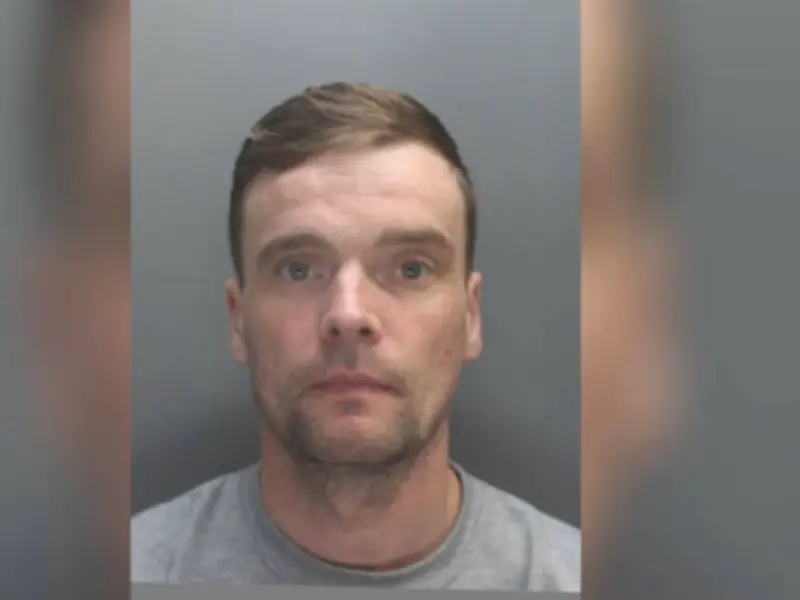
Guards at HMP Wakefield, known as 'Monster Mansion', are on high alert after contract killer Mark Fellows was convicted of murdering child killer Kyle Bevan in his cell. Fellows, 45, who previously shot dead gangland kingpins Paul Massey and John Kinsella, now faces the rest of his life in near-total isolation, with prison officers warned he has 'nothing to lose'.
Conviction for prison murder
Last week, Fellows was convicted alongside David Taylor, 64, and Lee Newell, 57, of the murder of 33-year-old Kyle Bevan at HMP Wakefield following a trial at Leeds Crown Court. Bevan was serving a life sentence for murdering his two-year-old stepdaughter Lola James. The court heard that Bevan was stabbed 25 times in his cell with a makeshift weapon on November 4 last year. CCTV footage showed the three killers following Bevan into his cell and leaving less than five minutes later; Bevan was never seen alive again. Fellows was also captured on camera checking on the body to ensure it had not been discovered before prison officers found Bevan dead the following morning.
Previous gangland murders
Fellows had been serving a whole life order at HMP Wakefield for the murders of Paul 'Mr Big' Massey and Liverpool gangland enforcer John Kinsella. Massey was gunned down with an Uzi sub-machine gun outside his home in July 2015. In May 2018, Fellows shot Kinsella, who had carried Massey's coffin at his funeral, as he walked his dog with his pregnant partner in Rainford. Fellows received a second whole life order at Leeds Crown Court, ensuring he will never be released.

High alert and segregation
A prison source told the Liverpool Echo that officers expect to remain on 'high alert' because Fellows has 'nothing to lose', though he poses a greater risk to inmates than to staff. Fellows is likely to be kept separate from other prisoners in a specialist close supervision centre, one of six across the country housing around 60 of the most dangerous offenders. These centres, established in 1998, provide minimal human interaction, with inmates spending most of their time in isolation. Fellows will receive the bare legal minimum of privileges, similar to Southport killer Axel Rudakubana, though he may still purchase goods from the prison canteen with money earned or sent by relatives. The decision on privileges may be influenced by the fact he has not yet targeted a prison officer.
Union and Ministry response
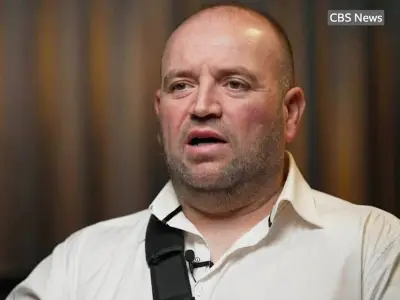
Mark Fairhurst, national chair of the Prison Officers' Association, said: 'Prison officers continue to operate in one of the most violent and hostile working environments in the world, managing some of the most dangerous individuals in society. This case underlines the risks they face from prisoners who have nothing to lose, having been sentenced to die in custody. Mr Fellows will spend the rest of his life in the high-security estate, largely within a close supervision centre due to his sustained violent behaviour. Staff will continue to face serious risks as they protect the public by securely holding offenders determined to act on violent impulses. Their professionalism and commitment in doing so deserve recognition.'
A Ministry of Justice spokesperson added: 'Prisons must be places of control and punishment to protect the public. While we cannot comment on individual prisoners, we're introducing a taskforce to reduce violence across the high security estate and investing an extra £35 million this year to bolster physical security. That's on top of over £40 million already invested in prison security.'