Nuclear War Study Predicts Catastrophic Global Losses
A groundbreaking peer-reviewed study has delivered a stark warning: a full-scale nuclear conflict could result in the deaths of approximately five billion people worldwide. Published in the prestigious Nature journal, the research forecasts a devastating "nuclear winter" that would envelop the entire planet, fundamentally altering life as we know it.
Escalating Tensions in the Middle East
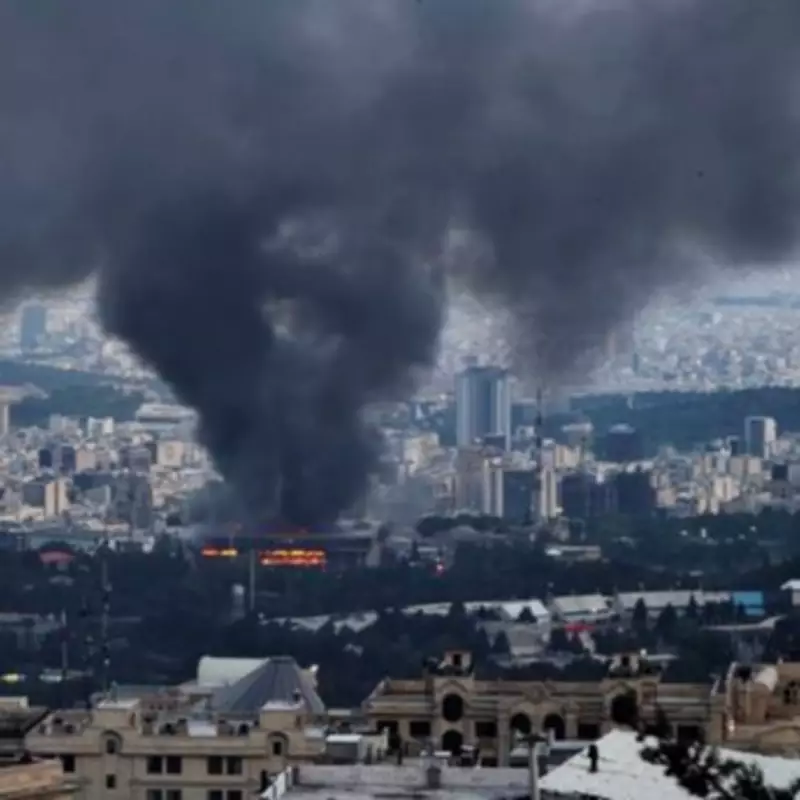
This alarming analysis emerges amidst heightened geopolitical instability. Recent days have seen a significant escalation in the Middle East, with nuclear-armed nations America and Israel conducting missile strikes against Iran. Simultaneously, the Taliban in Afghanistan has launched assaults on Pakistan, another country possessing nuclear capabilities.
The United Arab Emirates has reported intercepting missiles directed toward Israel, underscoring the volatile and expanding nature of the conflict. These developments have intensified global concerns about a potential wider war in the coming weeks.

The Survivor Nations: Australia and New Zealand
The study presents a grim forecast, suggesting that the detonation of the world's estimated 12,000 nuclear weapons would create fireballs reaching temperatures of up to 100 million degrees Celsius. The subsequent nuclear winter would block sunlight, crippling agriculture globally for years.
However, the research identifies two nations that might weather this apocalyptic scenario: Australia and New Zealand. According to the findings, their geographical isolation and specific climatic conditions could allow them to partially withstand the nuclear winter and maintain some agricultural production.
Expert Analysis from Annie Jacobson
Armageddon expert Annie Jacobson, author of Nuclear War: A Scenario, supports these conclusions. Drawing on scientific papers and consultations with defense specialists, she outlined the horrific chain of events on The Diary of a CEO podcast.
"Hundreds of millions of people die in the fireballs, no question," Jacobson stated. She elaborated that even regions surviving the initial blasts would face utter devastation. "Places like Iowa and Ukraine would be just snow for 10 years, and so agriculture would fail. When agriculture fails, people just die."
Jacobson estimates that around three billion people might initially survive the blasts, but their existence would become unrecognizable. For the fortunate in Australia and New Zealand, survival would come at a tremendous cost.
A Bleak Existence for Survivors
The expert detailed the secondary catastrophes: the destruction of the protective ozone layer and widespread radiation poisoning. Even in the surviving nations, people would likely be "fighting for food" and "living underground," forced to exist in darkness to avoid the harmful effects of the altered atmosphere.
This dire prediction follows earlier reports mapping the potential reach of Iranian missiles, suggesting a range of up to 1,240 miles. This puts popular holiday destinations such as Dubai, Cyprus, Turkey, and Egypt within potential strike zones, highlighting the broad regional threat.
International Response and Military Movements
In response to the escalating crisis, the UK government has initiated evacuation flights for British nationals, with the first departing from Oman. Authorities are continuously assessing the situation to determine further necessary actions.
Additionally, the Royal Navy destroyer HMS Dragon is slated for deployment to the Mediterranean, possibly as early as next week. Its mission is to bolster defenses around the British military base at Akrotiri, which was recently targeted by an Iranian drone strike.
The convergence of this scientific study and the current military tensions paints a sobering picture of global vulnerability, emphasizing the urgent need for diplomatic resolutions to prevent such an unimaginable catastrophe.