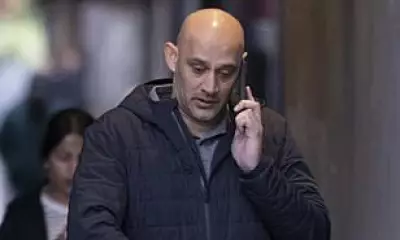
Justin Timberlake has initiated a significant legal action aimed at preventing the public release of police body camera footage from his 2024 drunken driving arrest in New York's Hamptons. The lawsuit, formally filed against the Village of Sag Harbor and its police department, contends that making the video publicly accessible would inflict severe and irreparable harm on his reputation and privacy.
Legal Arguments and Privacy Concerns
Timberlake's legal team argues that the footage captures him in an acutely vulnerable state during field sobriety testing and the subsequent arrest. They assert that releasing this material would likely lead to public ridicule and harassment, exacerbating the negative impact on his personal and professional life. The lawsuit emphasizes the potential for lasting damage to his public image, which has been carefully cultivated over decades in the entertainment industry.
Court Proceedings and Judicial Response
A judge presiding over the case did not issue an immediate ruling on the matter. Instead, the court requested both parties to confer on a possible resolution and report back later in the week. This approach suggests a judicial preference for negotiated settlements in sensitive cases involving celebrity privacy and public interest.

Background of the 2024 Incident
In September 2024, Timberlake pleaded guilty to impaired driving charges stemming from the arrest. As part of his sentence, he received a fine, was mandated to complete community service, and faced a license suspension. Additionally, he agreed to participate in a public safety announcement campaign against drunken driving, demonstrating a commitment to addressing the consequences of his actions.
The legal bid highlights ongoing tensions between public transparency, as represented by police body camera footage, and individual privacy rights, particularly for high-profile figures. Timberlake's case could set a precedent for how similar situations are handled in the future, balancing legal accountability with protections against undue public scrutiny.