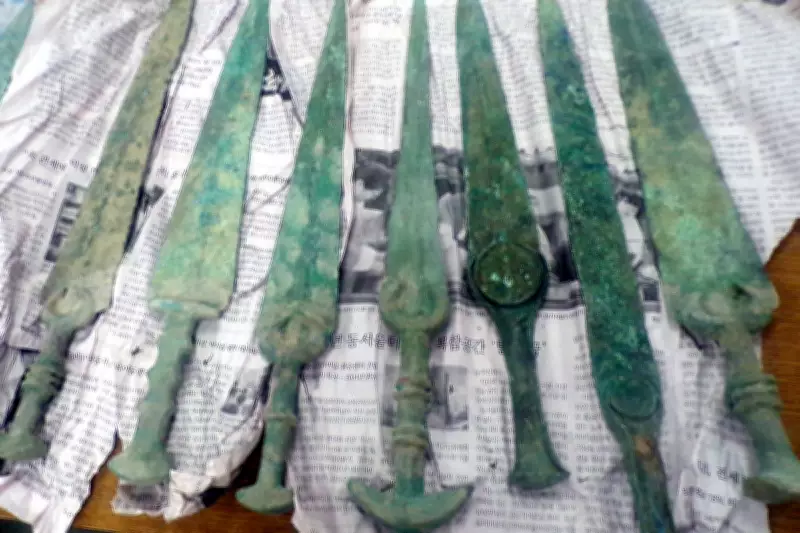
US border officials in Philadelphia have made a significant archaeological seizure, confiscating a cache of 4,000-year-old Bronze Age swords and arrowheads that are believed to have been looted from Iran. The ancient weapons were intercepted from a shipment that arrived before recent US airstrikes on the country, highlighting ongoing tensions in the region.
Details of the Seizure
The US Customs and Border Protection team confiscated 36 copper-alloy short swords and 50 copper-alloy arrowheads on 18 February, declaring them unlawfully imported into the United States. The consignment had been sent via an express delivery flight from the United Arab Emirates on 16 October, with a destination address in Jacksonville, Florida.
Suspicious Discovery
Officers grew suspicious after X-raying the shipment, which had been falsely declared as "metal decorative articles." The scans revealed distinct sword-like shapes, prompting further inspection. Upon opening the package, the ancient weapons were discovered, leading to their immediate detention for investigation.

Authentication and Origin
Specialists from the National Targeting Center’s Antiquities Unit were consulted, along with an archaeologist from a Philadelphia university with extensive Middle East experience. On 13 February, the archaeologist authenticated the weapons as antiquities from the later second millennium BCE, dating between 1600 and 1000 BCE. They were identified as originating from Iran's Talish Mountains region, near the south-western Caspian Sea coast.
Background and Motives
Officials suspect that the weapons were plundered from illicit excavations of ancient burial sites in Iran, likely following recent turmoil in the Middle Eastern state. This seizure precedes the US and Israel launching strikes there over the weekend, adding a geopolitical dimension to the case.
Official Statements
CBP has stated that it will safeguard the antiquities, pending a decision on their final disposition. Elliot N Ortiz, CBP’s acting area port director in Philadelphia, emphasized the importance of such actions: "Customs and Border Protection officers strive to rescue cultural artifacts from the grips of illicit international traders who plunder and exploit another nation’s heritage for profit. The deceptive practices used to smuggle these treasures into the United States not only violate our import laws but also undermine efforts to preserve and protect the integrity of cultural history."
Implications and Future Steps
This incident underscores the ongoing challenges in combating the illegal trade of cultural artifacts. The use of false declarations to smuggle such items highlights the sophisticated methods employed by traffickers. CBP's efforts in this case demonstrate a commitment to enforcing import laws and protecting global heritage, with the seized items now awaiting further legal and diplomatic resolution.