Victims and Bereaved Families to Receive Extended Time to Challenge Unduly Lenient Sentences
In a significant reform of the UK justice system, victims and bereaved families will now have six months to challenge "unduly lenient" sentences handed to criminals, as announced by David Lammy, the Lord Chancellor and Justice Secretary. This change replaces the previous 28-day limit, which campaigners argued was insufficient for grieving families to engage with legal processes.
Campaign for Change Driven by Personal Tragedies
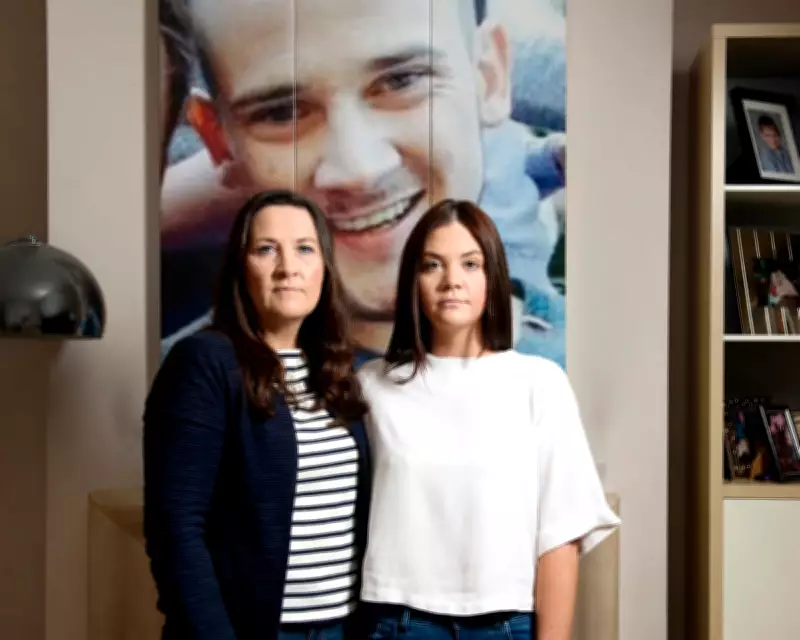
The reform follows intense campaigning by relatives of murder victims, including Tracey Hanson, whose son Josh was murdered in a nightclub. Hanson submitted an appeal in 2019 within the 28-day limit, but it was rejected as it arrived outside court hours on the final day. She highlighted that she had not been informed by her barrister, police, courts, or victim support about her right to appeal the sentence of Shane O'Brien, her son's murderer, who fled to Europe after the crime.
Hanson welcomed the extension, stating it honors her son's memory after a seven-year campaign. "These changes represent a hard-fought victory in ensuring that families are no longer left in the dark or rushed through a traumatising process during the most painful moments of their lives," she said.

New Legal Duties and Broader Impact
To address concerns that victims and families were unaware of the scheme, the government will introduce a legal duty in the Victims' Code to notify survivors of its existence. Katie Brett, whose sister Sasha Marsden was raped, murdered, and set on fire at age 16, shared that her family learned of their right to challenge the sentence too late. "It's a relief that in Sasha's memory, victims and their families will have six months to challenge an unduly lenient sentence and the new legal duty to be notified means every family will know their rights," Brett said.
The unduly lenient sentence scheme allows any member of the public to refer a sentence to the Attorney General and Solicitor General if deemed too lenient, with the Court of Appeal potentially reviewing it. However, the right to appeal remains restricted to serious crimes tried in the Crown Court, such as murder, manslaughter, robbery, rape, stalking, and most child sexual abuse offences, excluding hundreds of other offences like some sexual crimes, causing death by careless driving, and burglary.
Political and Legislative Context
Ministers will table amendments to the Victims and Courts Bill to implement these changes, which is currently progressing through Parliament. While victims and families gain an extended timeframe, other members of the public will retain the 28-day limit to refer cases under the scheme.
David Lammy emphasized the importance of the reform: "When someone's been through the ordeal of seeking justice and watched the person who hurt them or their loved one be sentenced, the last thing they should be worrying about is a ticking clock. People need time to breathe, to talk to their families, to get advice. This change means they'll have more time to do this – and most importantly, get the justice they deserve."
Shadow Justice Minister Kieran Mullan cautiously welcomed the move, noting it reflects strong feelings from victims and campaigners after prolonged delays in reform efforts.