Brussels Bombing Survivors Face Pension Cuts a Decade After Attacks
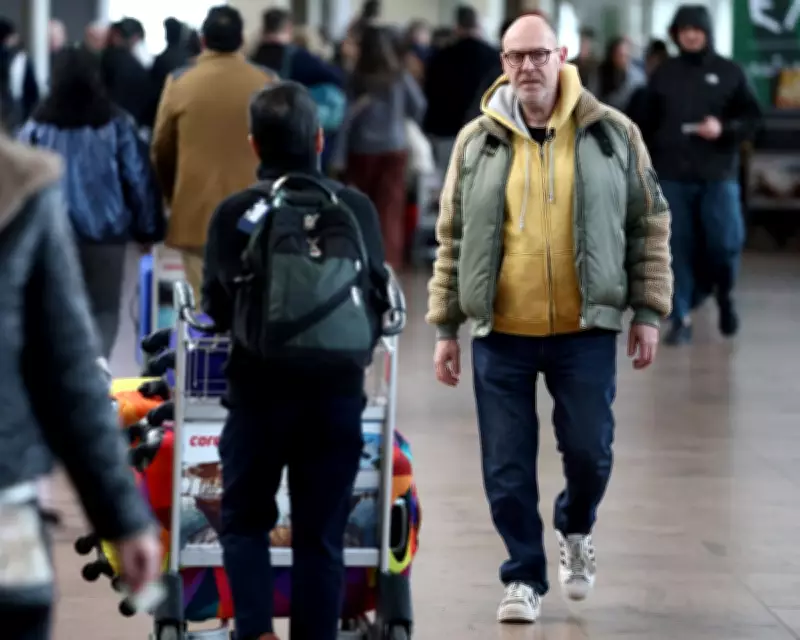
Walter Benjamin walks through Zaventem airport, the very place where he was severely injured in one of the 2016 bombings. He lost one leg and underwent 17 operations to save the other, a testament to the brutal impact of that fateful day. A decade on, survivors like Benjamin are confronting a new battle: drastic cuts to their state pensions, described as a shocking and unjust burden.
The Trauma of Recovery and Financial Strain
Benjamin, now 56, was standing just three metres away from the second attacker at Zaventem airport when the bomb detonated. The attacks, carried out by three suicide bombers, killed 32 people and left over 320 with injuries typically seen in war zones. In an instant, Benjamin went from preparing to catch a flight to Tel Aviv to lying in a pool of blood, surrounded by the dead and maimed. He lost his right leg and endured multiple surgeries to preserve his left.
His doctor predicted it would take three to four years to walk again, but driven by a determination not to be a burden on society or his then-16-year-old daughter, Benjamin was standing and exercising within three months. Today, he maintains his strength and morale with daily treadmill walks of 30-40 minutes, but he cannot leave home without medication, as panic attacks and depression remain constant threats.

Administrative Battles and Pension Reductions
Despite his physical progress, Benjamin now faces administrative challenges. Last July, he was informed that he had received too much state compensation, leading to a 70% cut in his monthly pension. He estimates this will reduce his pension income by between €130,000 and €150,000, a shortfall he fears could become a debt for his next of kin. "It was a shock," he says, highlighting the psychological toll and the extra costs he bears, such as pricier air tickets, taxis for his prosthetic limb, and psychological support.
A spokesperson for the Belgian federal pensions service stated that any reductions would only apply to future payments, with no debt recovery claims on individuals or their families. However, the terrorist victims' support group, Life for Brussels, reports that many victims are living in despair due to similar deductions, plunging families into hardship.
Legal Complexities and Victim Testimonies
The issue stems from a 2017 Belgian law that prevents double compensation for trauma. Survivors are entitled to a pension, but deductions are made if they received other payments, such as social security or insurance from Brussels airport or the transport operator STIB. Life for Brussels argues that authorities are making incorrect deductions based on a questionable interpretation of the law, failing to respect non-retroactive principles.
Aurélie Cardon, injured in the Maelbeek metro station attack, shares a similar story. Awarded a lifelong pension of €126 a month, she was shocked when her payments stopped abruptly a year ago, followed by a bill demanding €1,500. "What bothers me most is that this whole story was behind me, but with this letter, it all came flooding back," she says, expressing a desire to move forward from the constant reminders of the attacks.
Apologies and Ongoing Struggles
In response to survivor testimonies, the Belgian pensions department issued an apology, acknowledging that in 14 cases, money was incorrectly recovered, and 43 people received confusing letters. They promised reimbursements for errors and no retroactive adjustments for the others. However, Benjamin notes he has not received any communication, criticizing the lack of state follow-up over the past decade and calling for routine health checks for survivors.
Cardon confirmed receiving a letter stating the reimbursement demand was an error, but she continues to fight for her full pension without deductions. "To always be talking about the attacks, to be thinking about them, it's not nice... I would like to move forward," she says, encapsulating the ongoing emotional and financial struggles faced by survivors.
As Belgium commemorates the 10th anniversary of the attacks, the plight of these individuals underscores the long-term consequences of terrorism, extending far beyond physical injuries into bureaucratic and psychological realms.