Life Imprisonment for Fifteen in Moscow Concert Hall Terror Attack
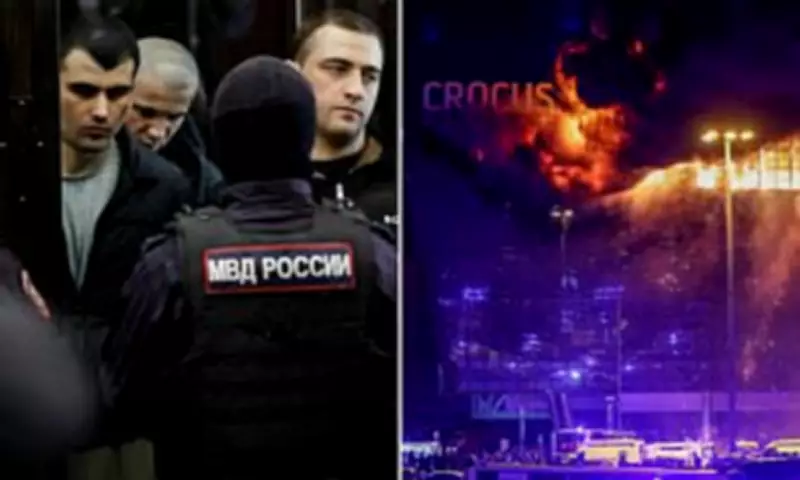
Fifteen men have been sentenced to spend the remainder of their lives in prison for their roles in the devastating 2024 shooting rampage at a Moscow concert hall, which resulted in the deaths of 150 individuals. This attack, occurring at the Crocus City Hall venue, stands as Russia's deadliest terrorist incident since the 2004 Beslan school siege.
The Attack and Its Aftermath
The assault unfolded shortly before a scheduled performance by the Soviet-era rock band Picnic. Four gunmen entered the venue, opening fire on concertgoers waiting for the show before setting the building ablaze, trapping numerous victims inside. In addition to the fatalities, more than 600 people sustained injuries, including six children among those killed.
A faction of the Islamic State group claimed responsibility for the massacre. However, Russia's Investigative Committee stated after the verdict that it had "reliably established" the attack was "planned and committed in the interests of" Kyiv, though no evidence was provided to support this Ukrainian connection claim.

The Defendants and Their Sentences
The four primary gunmen—Shamsidin Fariduni, Dalerdzhon Mirzoyev, Makhammadsobir Fayzov, and Saidakrami Rachabolizoda—were among those receiving life sentences. Aged between 20 and 31 at the time of the attack, they worked in various professions including as a taxi driver, factory employee, and construction worker.
Eleven other men, some of whom are Russian citizens, were also jailed for life for acting as accomplices and maintaining terrorist links. Four additional individuals, including a father and his sons, received prison terms ranging from 19 to 22 years for their associations with the perpetrators.
During the trial, the defendants stood in a glass cage surrounded by security guards. Media reports suggested Mirzoyev's radicalisation may have been influenced by his brother's death while fighting in Syria.
Broader Implications and Reactions
The verdict was announced ahead of the second anniversary of the killings. Ivan Pomorin, who was filming the concert at the time, expressed that for victims and relatives, "it's like yesterday," adding uncertainty about whether all responsible parties had been brought to justice.
Following the attack, Russia intensified anti-migrant laws and rhetoric, leading to tensions with Central Asian allies who have called for respect of their citizens' rights. Russia's economy has long depended on millions of Central Asian migrants, but their flow decreased after Moscow's Ukraine campaign and further declined following post-attack crackdowns.
Throughout its offensive in Ukraine, Russia has recruited prisoners for military service, offering sentence buy-outs for survivors. According to TASS state news agency, two defendants—Dzhabrail Aushyev and Khusein Medov—requested to be sent to fight in Ukraine instead of serving life sentences, with Medov expressing a desire to "redeem his guilt with blood."
The attack occurred two years into Moscow's war in Ukraine, with Russia having dismissed US warnings of an imminent terrorist threat. Prosecutors additionally demanded that relatives of one gunman be stripped of their Russian citizenship, reflecting the country's conservative social turn during the conflict.