Michigan Synagogue Attacker's Chilling Pre-Attack Photo with Rifle Emerges
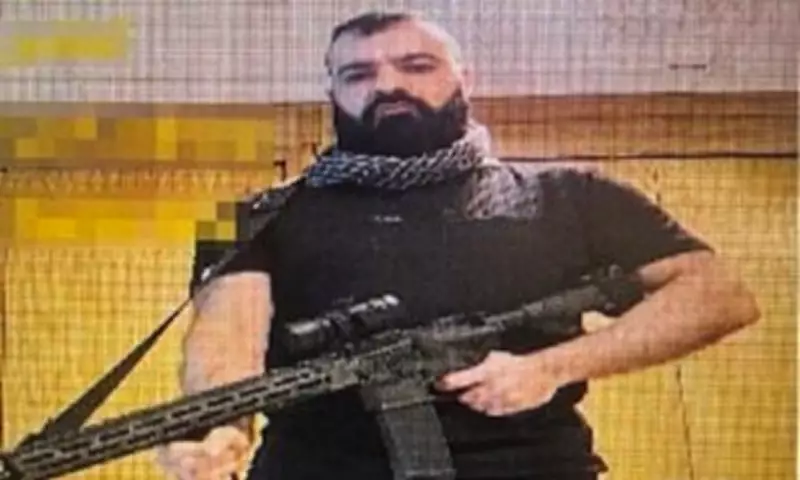
A harrowing image of the Michigan synagogue shooter posing with the same rifle he used in a violent attack last week has surfaced, revealing a disturbing glimpse into the moments before the incident. The photo shows Lebanon-born Ayman Mohamad Ghazali, 41, proudly holding the firearm while wearing a keffiyeh around his neck and pouting for the camera.
Details of the Attack and Photo Revelation
Ghazali is accused of driving a vehicle packed with explosives into Temple Israel, located in West Bloomfield, Detroit, on March 12, causing widespread pandemonium and fear in the community. According to Fox News reporter Bill Melugin, who first posted the picture, Ghazali sent this photo to his sister just hours before launching the attack. The image, which has now come to light, adds a chilling layer to the investigation, as it captures the shooter in a moment of apparent preparation or bravado.
In the photo, Ghazali is seen holding the rifle with a confident stance, and reports indicate that he had written a message in Arabic on his body, referencing a quest for vengeance. However, the specific content of this message was redacted by the news outlet, citing sensitivity and ongoing legal proceedings. This detail underscores the premeditated nature of the attack, suggesting that Ghazali may have been motivated by personal or ideological grievances.

Broader Implications and Community Impact
The emergence of this photo has sparked renewed concerns about security and radicalization in the region, particularly in light of the targeted nature of the attack on a religious institution. Local authorities and federal agencies are likely examining the photo as part of their broader investigation into Ghazali's motives and any potential connections to larger networks. The incident has left the Detroit community, especially members of Temple Israel, grappling with trauma and heightened vigilance.
As this remains a breaking news story, further updates are expected as more information becomes available. The photo serves as a stark reminder of the threats faced by religious and communal spaces, prompting calls for enhanced protective measures and continued monitoring of such violent acts.