Undercover Operation Prevents Deadly IS Attack on Manchester's Jews
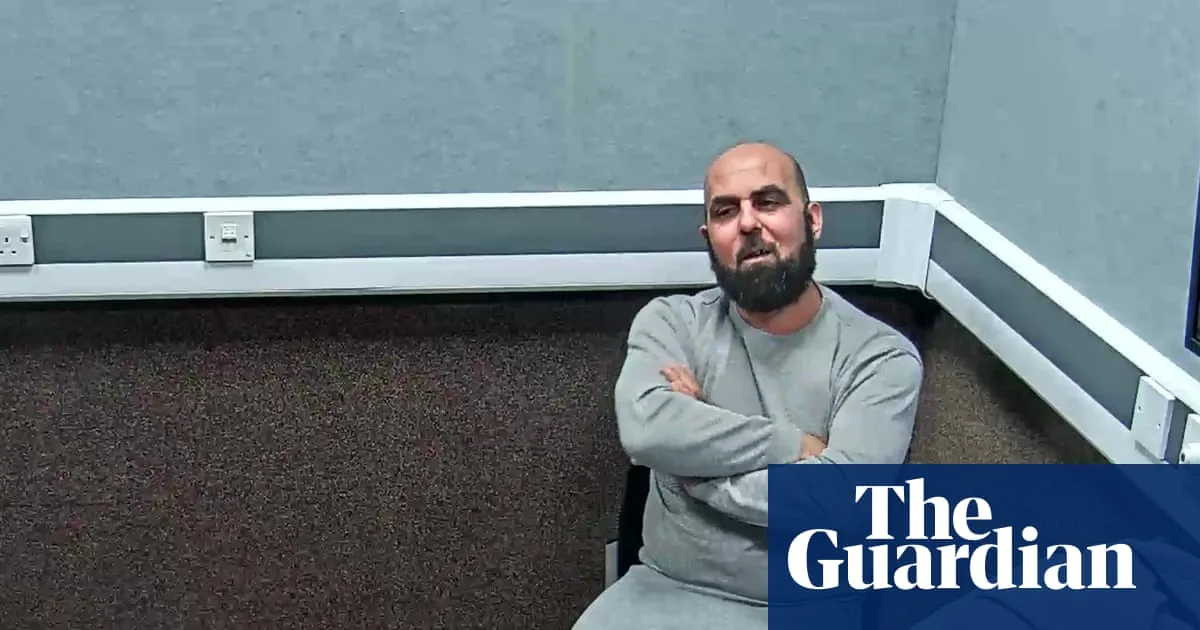
In a chilling revelation, an undercover police operation successfully thwarted a plot by two Islamic State (IS) terrorists to carry out a massacre targeting the Jewish community in Greater Manchester. The perpetrators, Walid Saadaoui, 38, and Amar Hussein, 52, were sentenced to life imprisonment on Friday for their roles in what could have been one of the UK's deadliest terror attacks.
From Holiday Entertainer to Terrorist
Walid Saadaoui, originally from Tunisia, had a seemingly ordinary past, working as a holiday entertainer organising dance shows and quizzes at a resort. After moving to the UK and marrying a British woman, he became a restaurateur and an avid bird keeper. However, beneath this facade, he had secretly pledged allegiance to Islamic State, hiding his extremist intentions from those around him.
Saadaoui's younger brother, Bilel Saadaoui, was also implicated in the case, receiving a six-year jail term for failing to disclose information about the planned attack. This highlights the complex web of secrecy and complicity often involved in such terror plots.
The Undercover Sting That Saved Lives
Unbeknownst to Saadaoui and Hussein, their fellow IS supporter, known by the codename 'Farouk', was actually an undercover police officer. This officer infiltrated their circle, gathering crucial intelligence that led to the disruption of the plot before it could be executed. The operation underscores the critical role of covert policing in preventing large-scale violence and protecting vulnerable communities.
Chris Osuh, the Guardian's community affairs correspondent who covered the trial, has detailed how the plot was uncovered. He notes that the planned assault was specifically aimed at Greater Manchester's Jewish population, one of the largest in the world, raising serious concerns about antisemitism and domestic security.
Impact on the Jewish Community
The foiled attack has had a profound impact on Manchester's Jewish community, heightening fears and prompting discussions about safety measures and interfaith relations. Authorities have emphasised the importance of vigilance and cooperation between law enforcement and community leaders to combat such threats.
This case serves as a stark reminder of the ongoing risks posed by extremist groups like Islamic State, even as their global influence wanes. It also highlights the effectiveness of undercover operations in dismantling terror networks and safeguarding public security.