US Terrorism Threat Escalates Amid Iran Conflict and FBI Staffing Crisis
Three separate acts of ideologically inspired violence within the past week have starkly exposed the elevated terrorism threat currently facing the United States. This heightened danger unfolds against a dual backdrop: an ongoing war with Iran and a counterterrorism apparatus significantly strained by widespread departures of experienced national security professionals at the FBI and the Justice Department.
Recent Attacks Highlight Domestic Vulnerability
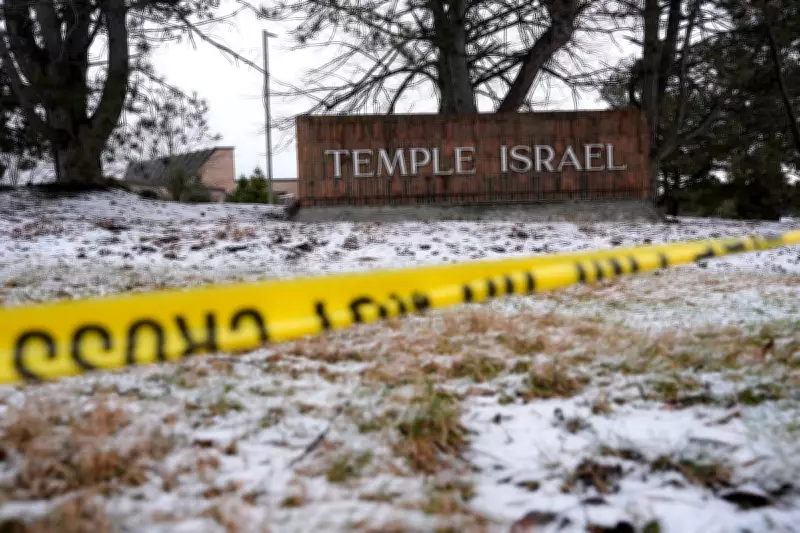
In a series of alarming incidents, federal authorities reported attacks across multiple states. In New York City, two men allegedly inspired by the Islamic State group were apprehended with powerful homemade bombs near the mayoral mansion. Separately, in Michigan, a naturalized citizen from Lebanon drove a vehicle into a synagogue before being neutralized by security. Meanwhile, in Virginia, a man with a prior terrorism conviction was killed by students after opening fire at a university while shouting religious phrases.
These events collectively underscore a surge in domestic terrorism concerns. The situation is compounded by the U.S. military engagement with Iran and a counterterrorism system facing internal challenges due to significant personnel losses.

Iran's Vengeance Plots and Cyber Threats
Iran has publicly vowed revenge for the killing of its Supreme Leader, Ali Khamenei, by U.S. and Israeli forces. While combat has been largely confined to the Middle East, the Islamic Republic has a documented history of attempting operations on American soil. This includes a disrupted murder-for-hire plot against former National Security Adviser John Bolton following the 2020 assassination of General Qassem Soleimani.
Recent convictions, such as that of a Pakistani businessman linked to Iran's Revolutionary Guard for plotting assassinations, highlight ongoing threats. Although Iran's capacity for a large-scale U.S. assault remains uncertain, federal bulletins have warned of potential drone attacks. The conflict has also extended into cyberspace, with Iranian-linked hackers claiming responsibility for attacks on U.S. companies, prompting domain seizures by the Justice Department.
Strain on Counterterrorism Infrastructure
The FBI and Justice Department's national security divisions are experiencing a critical depletion of expertise. Retired senior FBI official Frank Montoya described the situation as a decimation of experience from the ranks, leaving less experienced personnel to manage complex threats from a disadvantaged position.
Estimates suggest approximately half of the Justice Department's counterterrorism prosecutors and a third of its senior leadership have departed since the beginning of the Trump administration. Recent firings by FBI Director Kash Patel, including agents involved in Iran-related cases, have further eroded institutional knowledge. Former officials warn that the loss of experienced personnel and community relationships severely hampers the government's ability to preempt threats.
The Persistent Challenge of Lone Actors
Despite post-9/11 overhauls, the threat from lone actors radicalized online remains notoriously difficult to prevent. Historical attacks, such as those in Chattanooga and Orlando, demonstrate this persistent vulnerability. These self-directed individuals operate without clear warning, making them particularly lethal.
Former FBI national security official Claire Moravec noted that international conflicts often act as accelerants, intensifying grievances among disaffected individuals. While recent attackers may not have been directly motivated by the Iran war, such conflicts raise the overall risk profile, necessitating heightened vigilance and coordination among law enforcement agencies.
In response to inquiries, the FBI emphasized its commitment to public safety, stating that agents continuously assess and realign resources. Similarly, the Justice Department affirmed its focus on protecting Americans from all threats, while noting no specific, credible threats are currently known. However, the confluence of external conflict and internal staffing crises presents a formidable challenge to U.S. national security infrastructure.