In a devastating escalation of violence, at least 65 Nigerian soldiers have been killed in jihadist raids across the country's north-eastern region over the past two weeks. The attacks, carried out by gunmen from Islamic State West Africa Province (Iswap), highlight the severe challenges facing the West African nation as it contends with one of the world's most lethal terrorist organisations.
Coordinated Assaults on Military Bases
On March 5 and 6, Iswap militants overran four military bases in Borno state, the epicentre of Nigeria's long-running insurgency. According to reports from the Nigerian daily newspaper Punch, approximately 40 soldiers lost their lives in these initial assaults. The military issued a statement on March 7, the same day a mass funeral was held for the fallen troops, disputing the death toll but failing to provide an alternative figure.
In a subsequent statement, the Nigerian army claimed that troops successfully repelled multiple coordinated attacks launched by Iswap terrorists on military locations in Delwa, Goniri, Kukawa, and Mainok on March 8 and 9. However, the significant casualties and abductions reported paint a grim picture of the ongoing conflict.

Sophisticated Tactics and Civilian Abductions
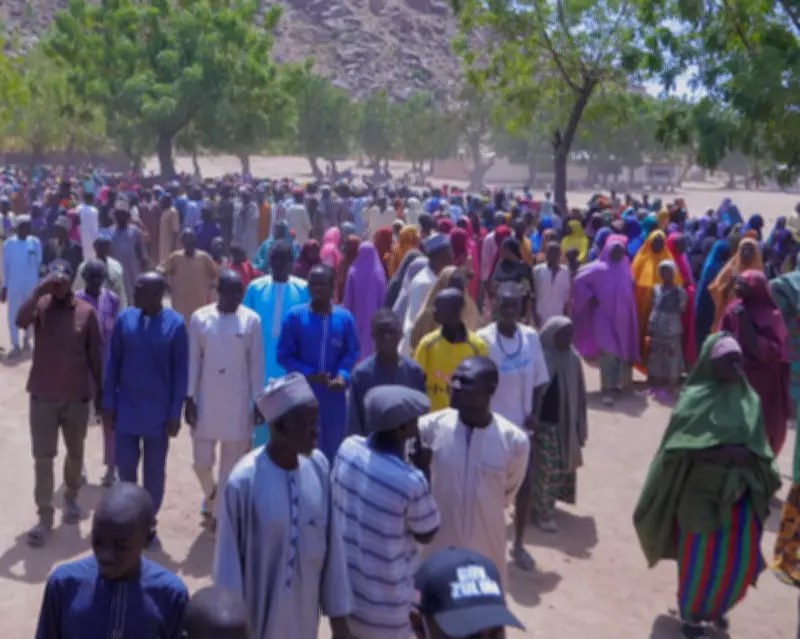
Armed Conflict Location & Event Data reports that during these raids, Iswap gunmen abducted 300 people, including women and children. The militants employed sophisticated machinery, such as anti-aircraft machine guns and drones, demonstrating their enhanced capabilities. These attacks follow a familiar pattern of coordinated jihadist raids on military facilities in northern Nigeria, a region ravaged by an insurgency that has persisted for nearly two decades.
The conflict intensified following the extrajudicial killing of Boko Haram leader Mohammed Yusuf in July 2009. Since then, the sect has fractured into at least three factions, including the particularly ruthless Iswap. Nigeria has struggled to contain the violence, which has spread across the Lake Chad basin area, affecting neighbouring countries like Cameroon, Chad, and Niger. More than 2 million people have been displaced by the insurgency.
International Involvement and Domestic Criticism
Last month, 200 US troops arrived in northern Nigeria to train their counterparts, weeks after US President Donald Trump announced airstrikes on terrorist elements in the region. This international support comes amid growing domestic criticism of the Nigerian establishment's priorities.
President Bola Tinubu and other officials have faced heavy scrutiny for seemingly focusing on political events rather than the security crisis. For instance, last month, a mass wedding involving 10 sons and daughters of Junior Defence Minister Bello Matawalle in Abuja drew public ire. On Tuesday, Matawalle further attracted criticism for a social media post applauding the defection of the governor of Zamfara, his home state, to the ruling party, during a week marked by multiple Iswap attacks.
The minister's last post about the military was on January 15, Nigeria's Armed Forces Remembrance Day, where he stated, "We also remember our fallen heroes – those who paid the ultimate price so our nation may live in peace. Their sacrifice will never be forgotten." This has led to accusations of neglect and misplaced priorities in the face of escalating violence.
Historical Context and Ongoing Turmoil
The insurgency has seen numerous brutal incidents, including the killing of a general by jihadists in November, who then taunted Nigerian authorities by releasing footage of his death even as the state denied his capture. The recent raids underscore the persistent threat posed by Iswap and other factions, with the death toll and abductions adding to the region's humanitarian crisis.
As Nigeria grapples with this deadly conflict, the international community watches closely, with efforts to bolster security and support displaced populations remaining critical. The attacks in Borno state serve as a stark reminder of the ongoing struggle against terrorism in West Africa.