Pennsylvania Grave Thefts: Descendants Decry Body Parts Crime as Not Victimless
A man accused of burglarizing grave sites and accumulating more than 100 bodies from Pennsylvania cemeteries has waived his right to an evidentiary hearing, as descendants of the deceased argue that such crimes are far from victimless. The case, which has captured public attention due to its macabre nature, highlights ongoing concerns about the illicit trade of human remains.
Family Distress Over Stolen Remains
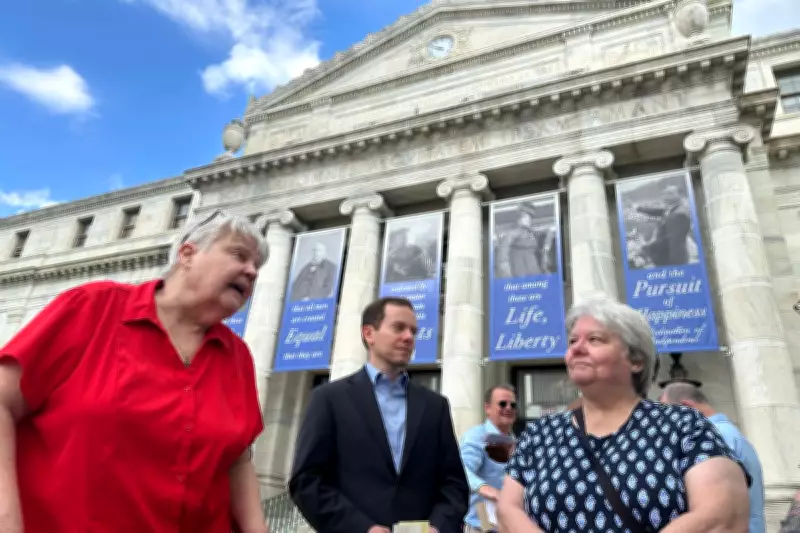
Judy Prichard McCleary, whose ancestors are interred in a family mausoleum at a sprawling Philadelphia-area cemetery, expressed deep distress after discovering that five of the nine crypts had been disturbed. The remains of her great-great-great aunt were stolen in a bizarre string of crimes involving the theft of over 100 bodies from Pennsylvania cemeteries. While McCleary believes her ancestors' souls are in heaven, she described the incident as "disruptive" and emotionally unsettling.
Following a brief court hearing where the defendant waived his hearing rights, McCleary emphasized that crimes against the dead should not be dismissed as victimless. She hopes this case will spur lawmakers to take stronger action against the online sale of body parts, a potential motive behind the thefts. "To be able to sell body parts on the internet just appalls me. I think it should be stopped," she stated, underscoring the need for regulatory measures.

Details of the Arrest and Charges
Jonathan Gerlach, 34, of Lancaster County, faces two dozen burglary counts and numerous other charges after authorities alleged he stole human remains from gravesites across several counties. He was arrested in January near Mount Moriah Cemetery on the outskirts of Philadelphia, where police observed bones and skulls in the back seat of his car. Subsequent searches of his home and a storage unit in Ephrata revealed a gruesome collection, including:
- More than 100 human skulls
- Mummified hands and feet
- Jewelry believed linked to graves
- A pacemaker still attached to a body
Police reported that Gerlach was apprehended as he walked from Mount Moriah Cemetery toward his car with a crowbar, carrying a burlap bag containing the mummified remains of two small children, three skulls, and other bones. Gerlach allegedly admitted to taking about 30 sets of human remains and showed investigators the graves he had targeted.
Historical Context and Family Impact
Mount Moriah Cemetery, established in 1855, is a 160-acre landmark on the Philadelphia-Yeadon borough line with approximately 150,000 grave sites. The Prichard family mausoleum was built there in the early 1900s by McCleary's great-great-grandfather, Jonathan Prichard, an Irish immigrant who became a grocer. Family lore suggests he invented the first paper bag, though no patent exists to confirm this claim.
Prichard had moved the bodies of two children who died earlier into the mausoleum, later joining them with other relatives upon their deaths. McCleary reflected on the emotional toll, saying, "It just made me sick to my stomach that anybody would want to do that. I think the man needs help." Her sentiments echo broader concerns about the psychological impact on families affected by such desecrations.
Legal Proceedings and Public Reaction
Gerlach, who remains in custody, appeared in court with glasses, a tight bun, and a collar-sized tattoo around his neck, politely answering routine questions from the judge. His arraignment is scheduled for June 3, although his lawyer, who declined to comment, indicated Gerlach is unlikely to appear. The case has prompted a wave of news coverage, drawing public imagination to the dark world of grave robbing and body parts trafficking.
As the legal process unfolds, descendants like McCleary continue to advocate for justice and legislative changes to prevent future crimes. The incident underscores the need for enhanced security at cemeteries and stricter regulations on the sale of human remains, ensuring that the deceased and their families are protected from such violations.