Sharp Increase in Driving Test Fraud Across Great Britain
Attempts to cheat on driving tests across England, Scotland and Wales have surged by a substantial 47% within a single year, according to newly released official figures. This dramatic rise has prompted serious concerns among motoring organisations and road safety experts about the potential risks posed to all road users.
Alarming Statistics Reveal Widespread Problem
The Driver and Vehicle Standards Agency (DVSA) has reported that 2,844 cases of driving test cheating were recorded in the year ending September 2025. This represents a significant increase from the 1,940 incidents documented during the previous twelve-month period, and more than double the 1,274 cases recorded back in 2018/19.
The DVSA attributes this sharp rise to a combination of two key factors: an actual increase in fraudulent activity, and improved detection capabilities within the agency's counter-fraud operations.

Technology-Assisted Cheating Dominates Fraud Methods
The breakdown of cheating methods reveals concerning trends in how individuals are attempting to circumvent the testing system. Technology-assisted cheating during theory tests constituted the largest proportion of incidents in 2024/25, with 1,113 cases recorded. This typically involves candidates using concealed earpieces connected to hidden mobile phones via Bluetooth to receive answers during examinations.
Impersonation cases also featured prominently in the statistics, with 1,084 incidents recorded of individuals attempting to take theory tests while pretending to be the registered candidate, and 647 cases of impersonation during practical driving tests.
Backlog Concerns Amid Rising Fraud
This increase in cheating attempts comes against a backdrop of substantial waiting times for practical driving tests across Great Britain. In September, learners faced average waiting periods of approximately 22 weeks for a test slot, compared with just five weeks in February 2020 before the coronavirus pandemic significantly disrupted testing schedules.
Despite this correlation, the DVSA has stated clearly that it currently possesses no evidence directly linking the rise in cheating to extended waiting times for tests.
Enhanced Detection Measures Implemented
The DVSA has implemented increasingly sophisticated measures to identify and prevent fraudulent activity at test centres. Learners arriving for examinations are now required to show their faces clearly to verify they match their photographic identification documents.
For theory tests, enhanced security protocols include asking candidates to roll up their sleeves, demonstrate that their pockets are empty, and submit to pat-down searches by staff members who may also use handheld metal detectors. The agency additionally employs intelligence gathering to identify vehicles and individuals previously involved in cheating attempts.
Severe Consequences for Offenders
Prosecution figures reveal the serious consequences facing those caught attempting to cheat the system. Ninety-six individuals were prosecuted for attempting to cheat driving tests or impersonate candidates during 2024/25, with prosecution cases potentially including multiple incidents.
Those convicted face severe penalties including potential prison sentences, driving bans, unpaid work orders, and substantial court costs. Recent cases demonstrate the judiciary's firm stance on such offences.
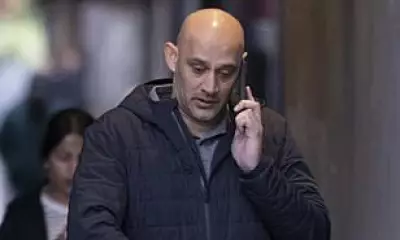
In June 2025, Qounain Khan, a 23-year-old from Birmingham, received an eight-month prison sentence at Cardiff Crown Court after pleading guilty to impersonating learners at theory test centres on twelve separate occasions. The court heard that impersonators could receive payments of up to £2,000 for successfully passing a test on someone else's behalf.
Similarly, Sorina-Ana Turcitu, 42, from north London, admitted attempting to take a practical driving test for another person and received a 12-week prison sentence suspended for 18 months at Ipswich Magistrates Court in September 2025. Ali Rasul, 22, from Exeter, was handed a two-year prison sentence at Exeter Crown Court in November 2025 after being caught repeatedly attempting to cheat theory tests over eight months using either hidden earpieces or impersonators.

Industry Response and Safety Concerns
Marian Kitson, DVSA's Director of Enforcement Services, emphasised the agency's commitment to tackling fraud, stating: "It is essential that all drivers demonstrate they have the right skills, knowledge and attitude to drive safely. Our counter-fraud team carries out robust investigations into suspected fraud, working with the police to bring fraudsters to justice and keep Britain's roads safe."
Steve Gooding, Director of the RAC Foundation motoring research charity, expressed serious concerns about the implications of such widespread cheating: "The longer people have to wait to get a test slot, the greater the pressure to pass, but that's no excuse for cheating. Those looking to make money through impersonation and deception are putting other road users at risk. This data demonstrates the need for DVSA to be vigilant in spotting the cheats and for the penalties to be severe."
Emma Bush, Managing Director of the AA Driving School, described the increase in cheat attempts as "staggering" and added: "It is even more worrying that while the numbers of those caught have risen a concerning amount, it is likely some people will have cheated successfully and be on our roads."
The combination of increased detection capabilities and rising fraudulent activity presents a complex challenge for road safety authorities, who must balance efficient testing systems with rigorous security measures to ensure only properly qualified drivers gain access to Britain's roads.