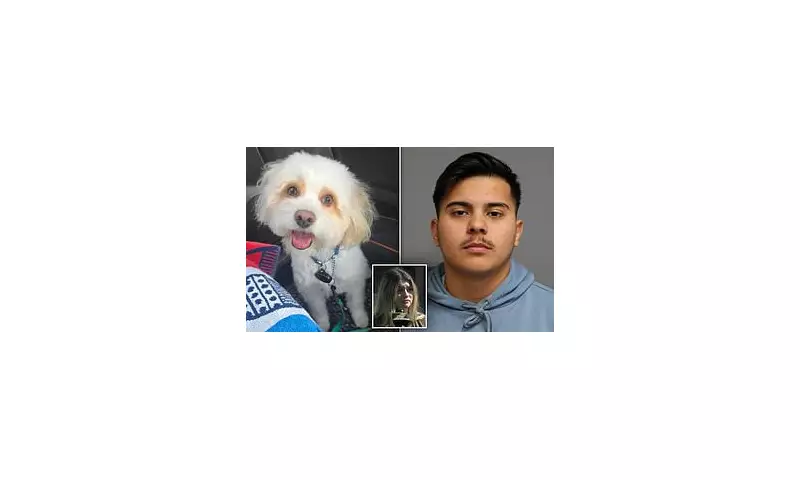
Former Florida Police Officer Charged with Aggravated Animal Cruelty
A former Florida police officer has been arrested and charged with aggravated animal cruelty after allegedly poisoning his ex-girlfriend's beloved pet dog. The disturbing case has shocked local communities and raised serious questions about accountability within law enforcement.
The Tragic Incident
Edwin Campuzano, a 22-year-old former officer with the Bartow Police Department, stands accused of deliberately poisoning Milo, a three-year-old Maltese poodle, in May of last year. According to authorities, Campuzano allegedly fed poison pellets to the small dog while his then-girlfriend, Paula Fernandez, was away on a trip to California.
The Hillsborough County Sheriff's Department detailed how Fernandez's neighbour first discovered the pellets in Milo's food bowl and alerted her to the tragedy. The dog died alone while Fernandez and her family were away from home for an entire week.

Heartbreaking Testimony
During an emotional press conference held last Friday, Fernandez described the devastating moment she learned about Milo's death. "I'll never forget that call. I'll never forget that day," she told reporters. "I just felt my heart drop, and it just didn't make sense because I made sure to say bye to him in the morning before I got on my flight and he was perfectly fine."
Fernandez expressed particular distress about Campuzano's behaviour following the incident. "He was a completely sweet boyfriend to me. We hardly argued," she explained. "There were no signs for me other than the fact that he didn't like Milo. That's what makes this so much scarier."
The Investigation Unfolds
The investigation gained crucial momentum when Fernandez discovered suspicious evidence months after Milo's death. According to Hillsborough County Sheriff Chad Chronister, who stood beside Fernandez during the press conference, she examined Campuzano's credit card statement and found an $8.01 charge from a tractor supply store.
Fernandez visited the store herself and identified gopher poison costing exactly $8.01. The store then produced Campuzano's receipt confirming he had purchased the toxic substance. "He bought this poison two days before she left town knowing that his intentions were to kill this poor, innocent animal," Sheriff Chronister stated.
Painful Consequences
Sheriff Chronister emphasised the particularly cruel nature of the alleged crime. "I've learned that this poison on any other animal that it's not intended for is an extremely painful death," he explained. The sheriff described how Fernandez had preserved the pellets and photographed them, seeking identification from knowledgeable sources who confirmed they likely contained rodent poison.
Fernandez herself highlighted the calculated nature of the alleged act. "He did this knowing that my family was going to be gone for a week and none of us got to say bye to him," she said. "[Milo] died a painful death and he died alone."
Arrest and Charges
After Fernandez reported her findings to authorities, the sheriff's department issued a warrant for Campuzano's arrest. He was taken into custody without incident on January 16th. Notably, Campuzano had been seeking new employment with the Polk County Sheriff's Office before his arrest.
Sheriff Chronister revealed concerning details about Campuzano's behaviour following his arrest. "He did not make any statement. And equally as important, at no time did he ever show any sense of remorse," the sheriff reported.
Accountability and Justice
Campuzano now faces formal charges of aggravated animal cruelty, with authorities describing his alleged actions as "deliberate, cruel, and very calculated." Sheriff Chronister made a powerful statement about law enforcement standards during the press conference.
"This badge that we wear doesn't protect us from wrongdoing," he declared. "It holds us to a higher standard of accountability. And our suspect, at 22 years of age, is going to learn that real quick."
The case continues to develop as legal proceedings move forward, serving as a sobering reminder about animal welfare protections and professional conduct expectations for those in positions of public trust.