A groundbreaking study has uncovered how the British Empire systematically used photography as a powerful instrument for surveillance and control during its colonial rule in India. This research sheds light on the deliberate ways in which photographic technology was harnessed to reinforce imperial authority and shape narratives about the subcontinent.
The Strategic Deployment of Photography in Colonial India
During the 19th and early 20th centuries, British authorities in India employed photography not merely as a means of documentation, but as a sophisticated tool for governance and subjugation. The study highlights that photographs were used to categorise and monitor Indian populations, often under the guise of scientific or administrative purposes. This practice enabled the colonial administration to maintain a tight grip on the region by creating visual records that could be used for identification, tracking, and control.
Photography as a Mechanism of Power
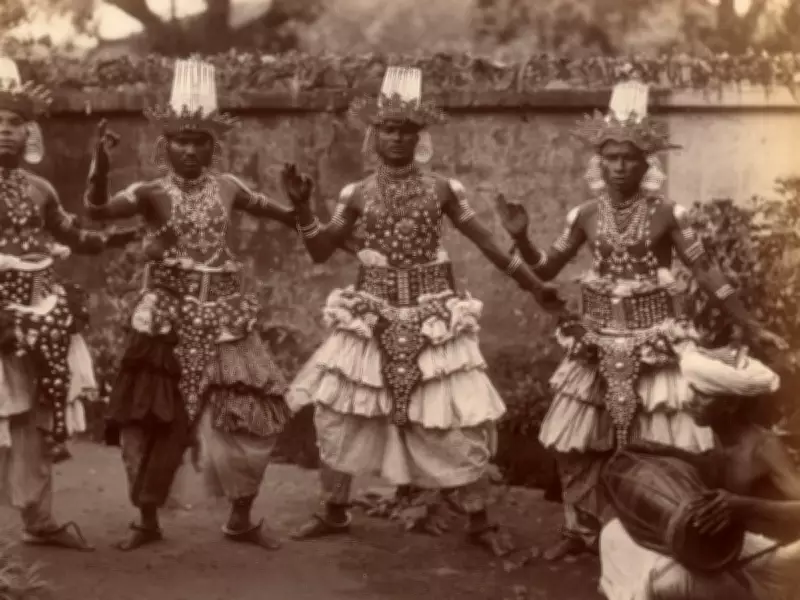
The research demonstrates that photography served multiple functions in the colonial context. It was utilised to document landscapes, infrastructure projects, and military campaigns, thereby asserting British dominance over the territory. Additionally, portraits of Indian rulers and elites were often staged to convey messages of submission or alliance, while images of ordinary citizens were used to reinforce stereotypes and justify colonial policies. This visual strategy helped to normalise British rule and marginalise indigenous perspectives.

Impact on Perceptions and Historical Narratives
The study emphasises how this photographic legacy has had a lasting impact on how India is perceived both historically and in contemporary times. By controlling the visual representation of India, the British Empire shaped global and domestic understandings of the colony, often depicting it as a land in need of civilising influence. This manipulation of imagery contributed to the erasure of Indian agency and the perpetuation of colonial ideologies.
Revealing Hidden Histories Through Archival Analysis
Researchers conducted an extensive analysis of archival materials, including government records, private collections, and photographic albums from the colonial period. They found that many photographs were carefully curated to serve propaganda purposes, with images selected or altered to support British interests. The study also notes that some Indian photographers and subjects resisted this control by subverting or reclaiming the medium, though such instances were often suppressed.
In conclusion, this study provides a critical examination of the British Empire's use of photography in India, revealing it as a key component of colonial control. By understanding this history, we can better appreciate the complex ways in which visual media has been wielded to exert power and influence societal perceptions.