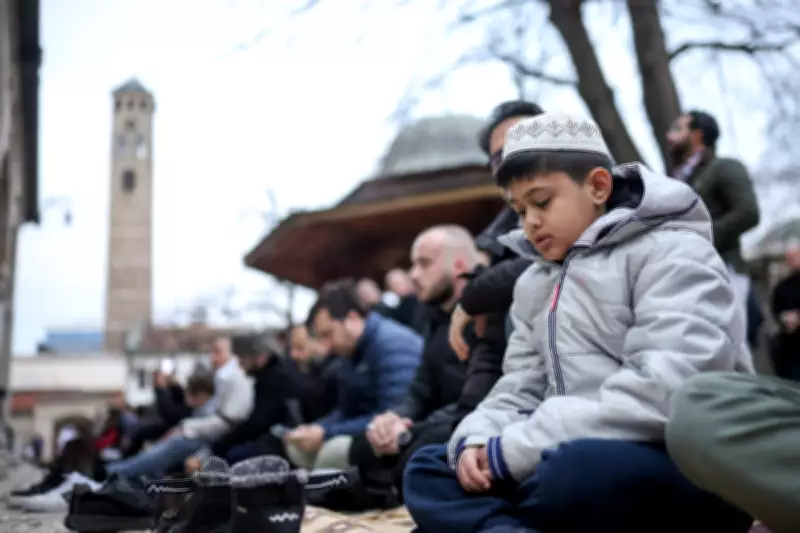
Eid al-Fitr Commences Today Following Official Moon-Sighting Announcements
The holy month of Ramadan has officially concluded for Muslims across the United Kingdom and globally, with Eid al-Fitr celebrations beginning today, Friday, March 20, 2026. This significant religious event marks the end of a period of fasting, prayer, and reflection, transitioning into a festive occasion of gratitude and community.
Moon-Sighting Committees Confirm Absence of Shawwal Crescent
The decision to commence Eid al-Fitr was reached after meticulous observations by international moon-sighting authorities. On March 18, the United Arab Emirates moon-sighting committee convened to assess reports and visual confirmations of the Shawwal crescent moon, which heralds the start of the new Islamic month. Simultaneously, Saudi Arabia's Supreme Court issued a call to both officials and citizens nationwide to actively search for the Shawwal Moon, adhering to traditional Islamic practices that rely on physical sightings.
It was unanimously confirmed that the crescent had not been sighted, leading to the declaration that Ramadan would complete its full thirty days, with Eid al-Fitr immediately following. This process underscores the deep-rooted astronomical and religious methodologies that govern the Islamic lunar calendar, ensuring alignment with celestial events.

Global Celebrations Amid Observances at Historic Sites
Eid al-Fitr celebrations are unfolding worldwide, with communities gathering for special prayers, feasts, and charitable acts. Notably, Laylat al-Qadr, the Night of Power considered the holiest in Ramadan, was observed earlier this week at a damaged mosque in Khan Younis, highlighting the resilience and devotion of worshippers in challenging environments. This observance precedes the joyous festivities of Eid, which emphasize forgiveness, unity, and renewal.
The commencement of Eid al-Fitr today brings a sense of closure and celebration, as Muslims reflect on the spiritual gains of Ramadan and embrace the blessings of the new month. Families and friends will exchange greetings, share meals, and participate in communal prayers, fostering a global atmosphere of peace and solidarity.
Understanding Eid al-Fitr and Its Worldwide Significance
Eid al-Fitr, often referred to as the "Festival of Breaking the Fast," is one of the two major holidays in Islam, alongside Eid al-Adha. Its celebration varies culturally but universally includes:
- Early morning prayers (Salat al-Eid) in mosques or open spaces.
- Donating to charity (Zakat al-Fitr) before the prayers, ensuring the less fortunate can partake in the festivities.
- Enjoying festive meals with traditional dishes, sweets, and family gatherings.
- Wearing new or finest clothes, symbolizing purity and renewal.
- Exchanging gifts and greetings, such as "Eid Mubarak," to spread joy and goodwill.
This year's Eid aligns with the lunar confirmation, reinforcing the Islamic tradition's connection to natural cycles. As celebrations commence, Muslims worldwide embrace this time of spiritual fulfillment and communal harmony, marking a poignant end to Ramadan's sacred journey.