Energy Infrastructure Attacks Pose Existential Threat to Gulf States' Regional Power
The military confrontation between the United States, Israel, and Iran has escalated dramatically with a dangerous new phase targeting critical energy installations across the Middle East. This strategic shift represents what regional experts describe as a worst-case scenario for Gulf nations, directly threatening the economic foundations that have transformed them into regional powers with substantial global influence over recent decades.
Critical Energy Facilities Become Battlefield Targets
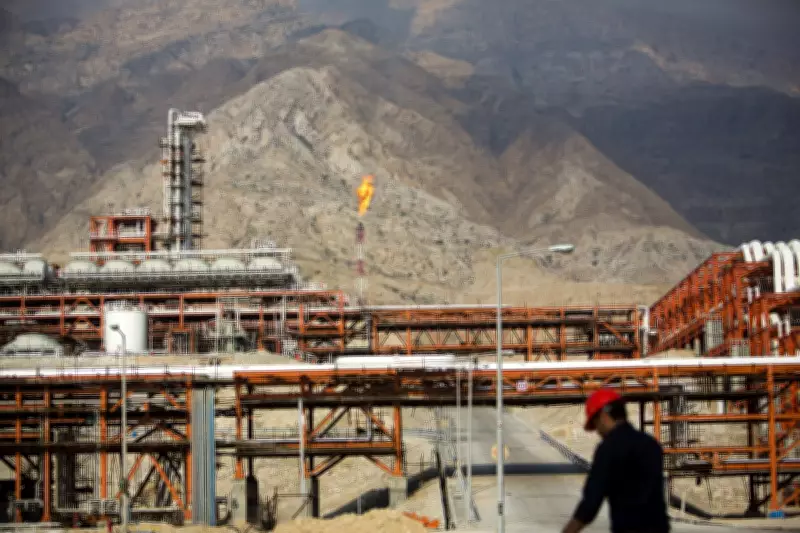
On March 18, 2026, an Israeli drone strike targeted facilities at Iran's Asaluyeh complex, damaging four plants that process gas from the massive South Pars offshore field. This field straddles the maritime boundary between Iran and Qatar and represents the world's largest reserve of nonassociated natural gas. In retaliation, Iranian missiles struck Ras Laffan, the heart of Qatar's energy sector, causing what Qatari authorities described as "extensive damage" to liquefied natural gas facilities.
Separate suspected Iranian aerial attacks also damaged oil refineries in Kuwait and Saudi Arabia while forcing the closure of gas facilities in the United Arab Emirates. These coordinated strikes mark a significant escalation from previous conflicts, where energy infrastructure had largely been spared despite ongoing regional tensions.

The Strategic Importance of Energy Infrastructure
The South Pars gas field, known as the North Field on the Qatari side, was discovered in 1971 with development beginning in earnest during the 1980s. This single resource has made Iran and Qatar the second- and third-largest holders of proven gas reserves globally. Similarly, Ras Laffan in Qatar represents the epicenter of the world's largest facility for liquefied natural gas production and export, with fourteen massive processing trains converting North Field gas for global shipment.
Early assessments indicate that attacks on Ras Laffan have damaged seventeen percent of Qatar's LNG capacity, with repairs projected to require three to five years. The world's largest gas-to-liquids plant, Pearl GTL operated by Shell, also sustained damage during the initial assault. These strikes directly threaten a planned three-phase expansion that would add six additional LNG trains by 2027.
Escalating Patterns of Energy Targeting
The current conflict has seen a significant loosening of previous restraints on targeting critical infrastructure. On March 8, Israeli strikes hit oil storage facilities in Tehran, creating large fires and blanketing the capital with toxic smoke and "black rain." Iranian officials had previously signaled that energy facilities were legitimate targets, with drone swarms targeting Saudi Arabia's Shaybah oil field, the Shah gas field southwest of Abu Dhabi, and strategic oil facilities in Fujairah.
Fujairah's location on the Gulf of Oman outside the Strait of Hormuz gives it direct access to the Indian Ocean, making it a crucial oil-loading and ship fuel-supplying hub. Its repeated targeting demonstrates Iranian intent to disrupt the Abu Dhabi crude oil pipeline, which carries over half of the UAE's oil exports and represents one of only two pipelines bypassing the strategically vital Strait of Hormuz.
Cascading Regional and Global Consequences
The attack on Ras Laffan and broader threats to Gulf energy infrastructure have potentially catastrophic implications for multiple reasons. Export revenues from oil and natural gas have fundamentally transformed Gulf states into regional powers with global diplomatic and economic reach. This economic foundation now faces unprecedented jeopardy as energy facilities become primary military targets.
Iranian officials view Israeli or American targeting of facilities in their territorial waters as sufficient justification for striking facilities on the Qatari side of shared gas fields, despite Qatar's forceful condemnation of the initial Israeli strike as a dangerous escalation. This creates an impossible dilemma for Qatar and other Gulf states facing backlash from a conflict they attempted to avert through diplomatic channels.

Historical Context and Future Risks
Over the past decade, Houthi forces in Yemen allied with Iran have struck targets around Saudi Arabia's East-West pipeline on at least four occasions, most recently in 2022. While the Houthis have thus far refrained from joining the current conflict, they have threatened to do so, which would create enormous additional disruption to global oil markets.
Regional officials had feared since fall 2025 that any renewed fighting would prove far more damaging than previous conflicts. An embattled government in Tehran, perceiving itself in an existential struggle, has spread the costs of war as widely as possible, targeting not just military facilities but the economic sectors that have placed Gulf states firmly on the global map.
If energy infrastructure remains in the crosshairs of regional conflict, the consequences for both regional stability and the global economy could prove severe and unpredictable, threatening supply chains for oil, natural gas, and numerous derivative products that underpin modern industrial systems worldwide.