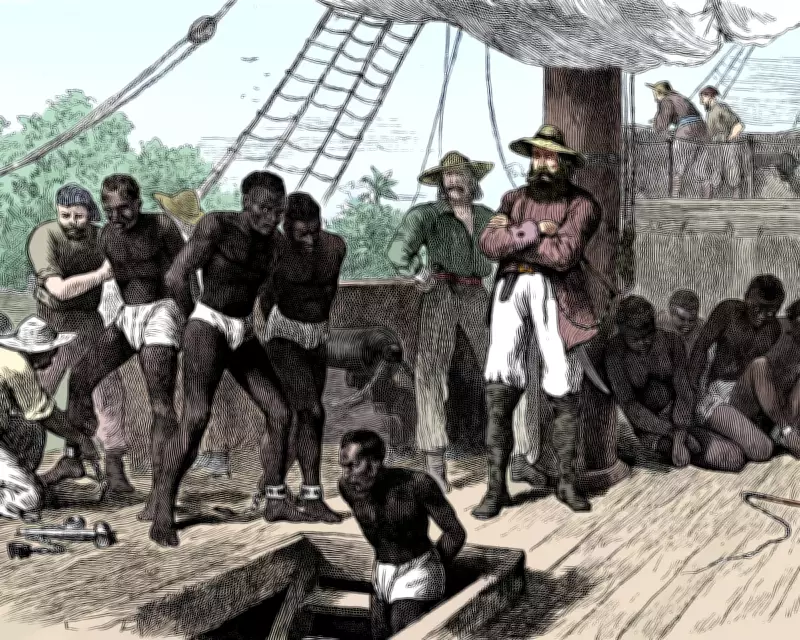
In a historic move, Ghana is set to table a resolution at the United Nations General Assembly this month, calling for the formal recognition of the transatlantic trafficking and enslavement of Africans as a crime against humanity. This initiative, announced by President John Dramani Mahama, aims to spark a structured international dialogue on reparatory justice and healing.
Building on a Legacy of Advocacy
The push for reparatory justice is deeply rooted in centuries of resistance and advocacy. From early African leaders protesting the capture of their people to the Haitian revolution and post-independence movements, the demand for accountability has persisted. In recent decades, this has taken institutional form through declarations like the 1993 Abuja Proclamation and the 2023 Accra Proclamation.
International Support and Coalition Building
Ghana's resolution is not an isolated effort. It carries the robust support of the African Union, the Caribbean Community (Caricom), and a growing coalition of nations across the global south. The African Union has further underscored this commitment by declaring 2026 to 2035 as the Decade of Action on Reparations and African Heritage.

This collective action seeks to move beyond mere acknowledgment of historical injustices. It aims to foster a constructive, forward-looking process that addresses the enduring legacies of slavery, which continue to shape global inequalities in development, opportunity, and vulnerability.
From Recognition to Action
While the 2001 Durban Declaration acknowledged the transatlantic slave trade as a crime against humanity, President Mahama argues that more concrete steps are needed. The proposed UN resolution is designed to transition from recognition to actionable dialogue on repair.
"This is not about assigning collective guilt to present generations," Mahama emphasised. "Rather, it is about understanding how historical injustices have shaped contemporary inequalities and how a more honest reckoning can contribute to a fairer, more inclusive global order."
A Framework for Reparatory Justice
The envisioned process involves engagement with states, institutions, scholars, and communities to explore practical pathways for reparatory justice. Potential measures include targeted investments in education, healthcare, cultural restoration, and economic opportunities aimed at closing persistent gaps and fostering shared prosperity.
A comprehensive approach must also acknowledge the human dimensions of this history, particularly the entrenched inequalities affecting women and families across generations. Ensuring any reparative process is inclusive and addresses these specific impacts is paramount.
An Invitation for Global Cooperation
Ghana's initiative is framed as an invitation to the international community for honest reflection and collective action. In a world grappling with interconnected challenges like inequality, climate crisis, and instability, addressing historical injustices is seen as integral to building the trust and cooperation necessary for global solutions.
"A crime of this magnitude calls not only for remembrance but for responsibility," Mahama stated. "In meeting that responsibility together, we take a step toward a more just and united world."